
Gothic 1 Remake Preserves the Original’s Identity, but Its Opening Hours Could Easily Push Newcomers Away
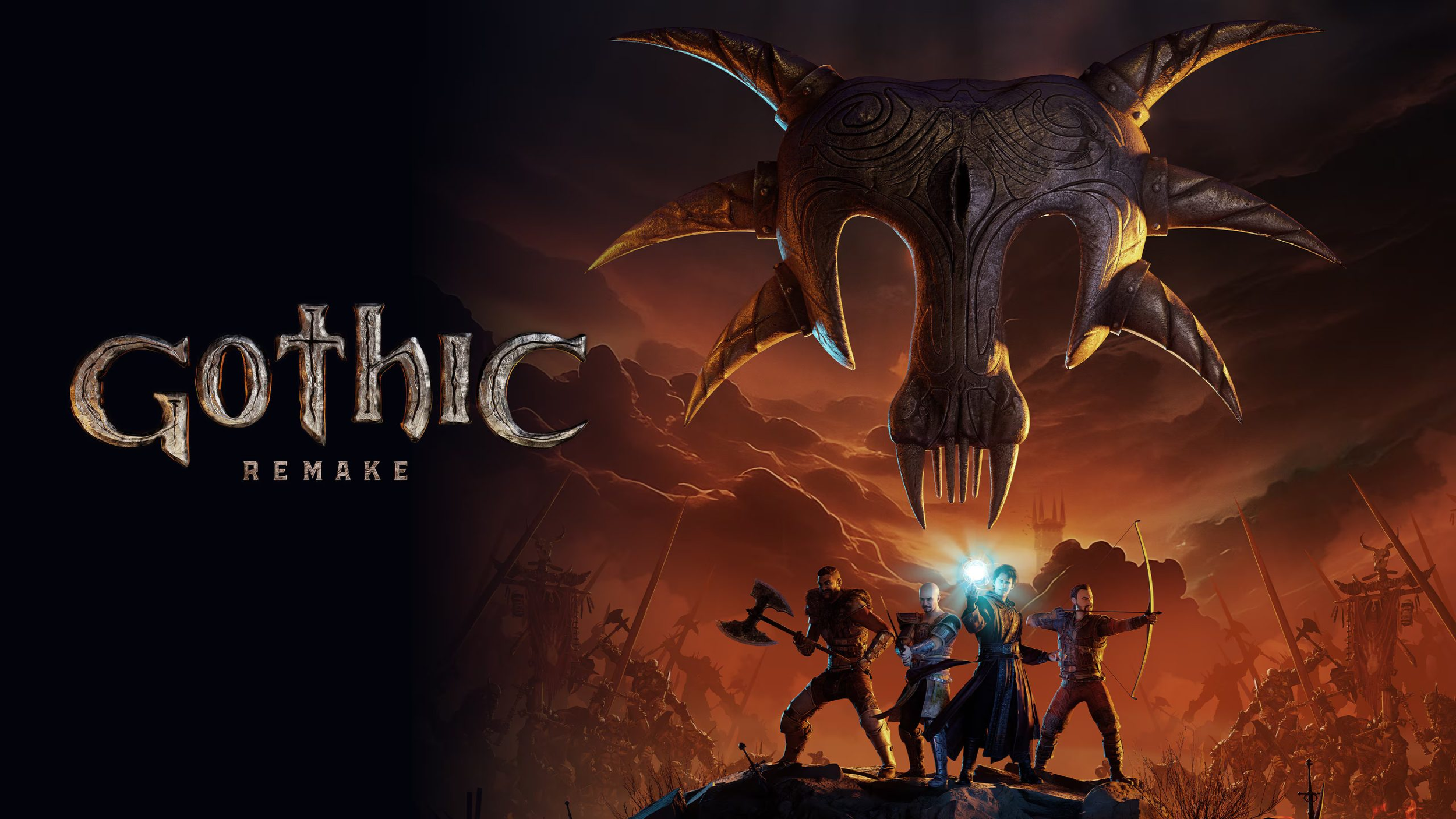
Alkimia Interactive’s Gothic 1 Remake is shaping up to be one of the more unusual RPG revivals of 2026 because it does not appear interested in smoothing every rough edge into modern comfort. Based on the latest preview coverage, the remake stays remarkably faithful to the original game’s structure, tone, and sense of hostile immersion, even while rebuilding the experience in Unreal Engine 5. That faithfulness is clearly part of the appeal, but it also sounds like the first few hours may be exactly where the game risks dividing players the most, especially those without any attachment to the original Gothic. The remake is officially scheduled to launch on June 5, 2026 for PC, PlayStation 5, and Xbox Series X|S.
The strongest praise surrounding the recent hands on impressions is not about polish, spectacle, or broad accessibility. It is about atmosphere and identity. The preview describes a world that still feels built around the same old school principles that gave the original its cult status, with layered faction dynamics, named NPCs moving on their own schedules, quests that can be approached in different ways, and a heavy lack of handholding that forces players to actually inhabit the world instead of following a guided checklist. That kind of design remains rare in modern big budget RPGs, and it is easy to see why longtime fans would consider it the real heart of Gothic.
At the same time, the same preview makes clear that this dedication to authenticity comes with a cost. The early game reportedly still feels floaty in movement, combat can come across as unwieldy at first, and the remake’s overall presentation does not always sell itself as a cutting edge Unreal Engine 5 showcase. That is an important point because a lot of players now instinctively associate UE5 with immediate visual wow factor, but Gothic 1 Remake seems more committed to mood and fidelity to the original than to dazzling technical flash. For returning fans, that may feel honest. For newcomers, it may feel underwhelming.
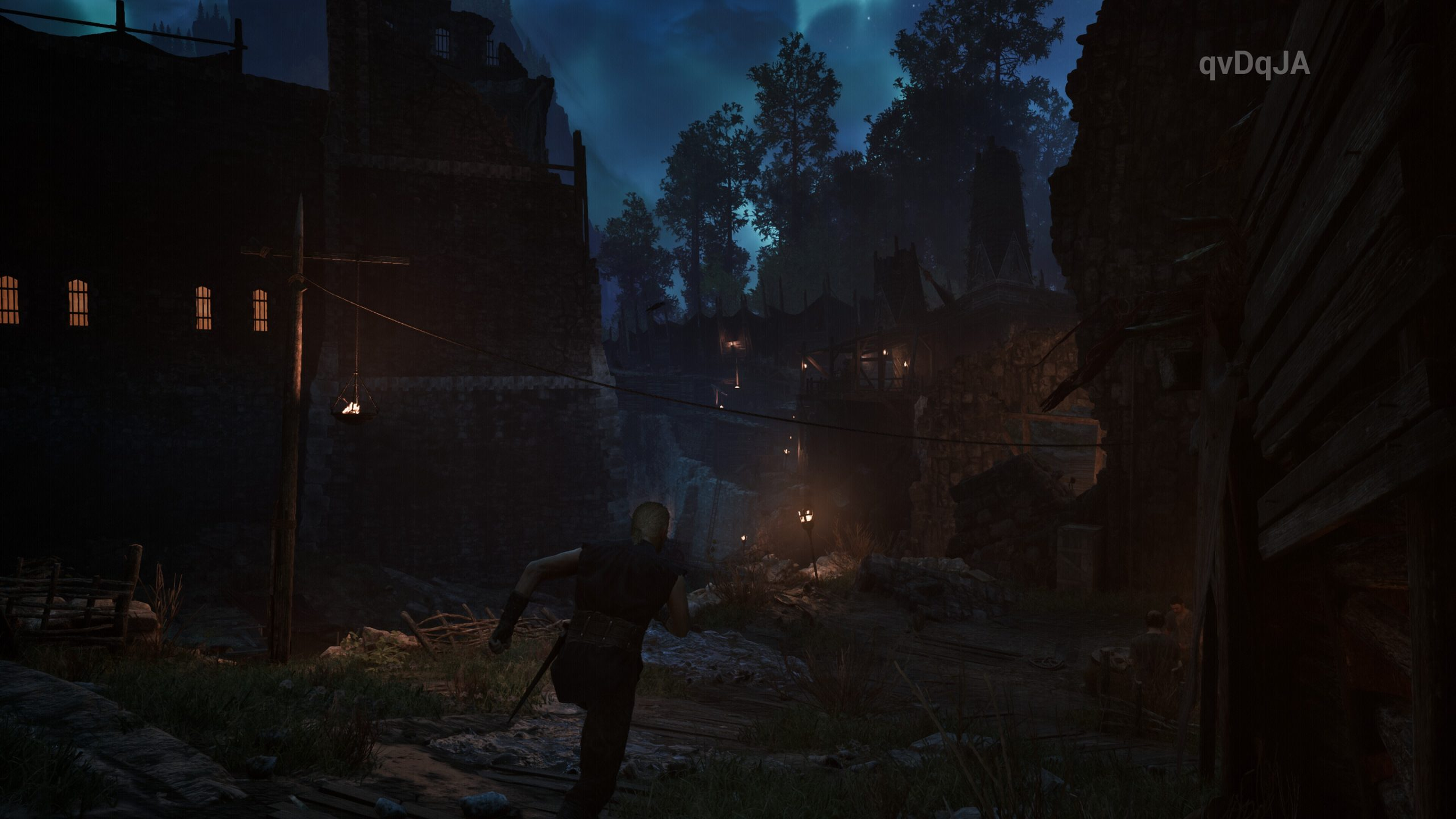
Combat sounds likely to be one of the most divisive elements. The remake reportedly preserves the original’s directional combat DNA rather than abandoning it for a more conventionally smooth modern action system. The preview notes that early encounters can feel clumsy and not especially enjoyable, although that is partly by design because the nameless hero begins the game largely incompetent and only becomes more capable through training and progression. There is also mention of accessibility options to reduce combo input complexity, though at the cost of lower damage output. That is a very Gothic kind of compromise, but it also reinforces that this remake still expects patience from the player instead of trying to win them over instantly.
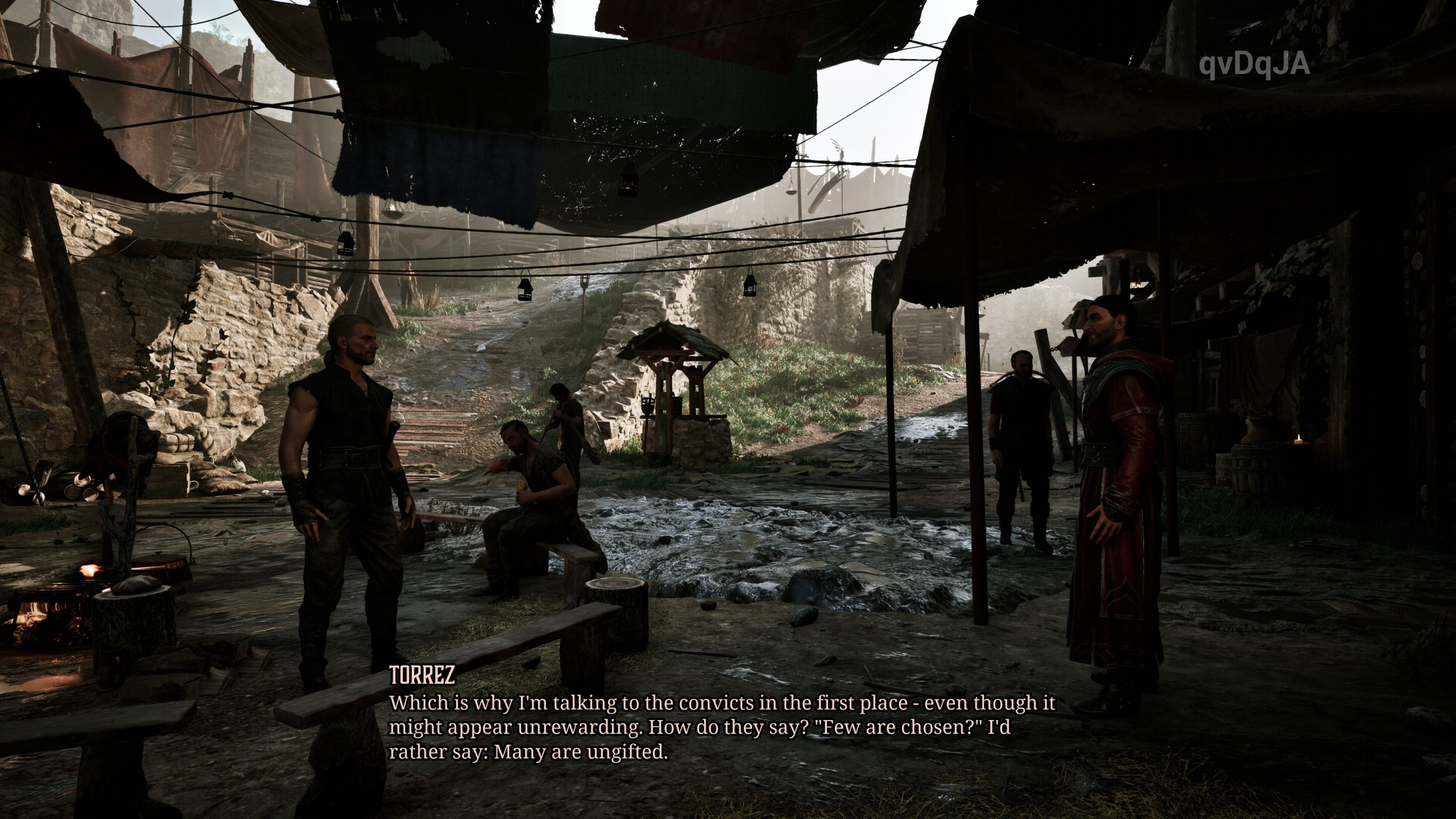
Where the game seems to win people back is in the way the world itself behaves. The Old Camp and its surrounding systems are described as alive, reactive, and full of opportunities to solve problems on your own terms. Guards can pressure you for protection money. Quest outcomes can shift depending on what you discover before formally taking on a task. Maps are something you have to obtain, not a convenience you start with. That style of worldbuilding is exactly why the original Gothic became such an influential RPG, and it sounds like the remake understands that preserving this structure matters more than sanding everything down for mass market smoothness.
That may be the central tension of the whole project. Gothic 1 Remake does not appear to be chasing the broadest possible audience in the way many modern remakes do. Instead, it looks like a game trying to modernize just enough to remain playable in 2026 while still protecting the friction, uncertainty, and lived in world logic that made the original special. That is a bold strategy, but also a commercially risky one, because the same qualities that create deep immersion for one player can read as dated clunkiness to another. This is an inference based on the latest preview coverage and the official positioning of the game as a faithful remake.
In that sense, the title may end up succeeding for exactly the reasons it struggles to make a strong first impression. It sounds like a game that asks players to push through discomfort before its real strengths become visible. For veterans of the original, that will probably feel fitting. For players raised on cleaner onboarding, immediate feedback, and relentless quality of life guidance, the opening hours may be where the remake either earns lasting respect or loses them completely. That is what makes this release so interesting. Gothic 1 Remake may not become a universal crowd pleaser, but it still has a real chance to become one of the most distinctive RPG launches of the year if its uncompromising approach lands the way Alkimia clearly hopes it will.
Are you hoping Gothic 1 Remake stays stubbornly faithful to the original, or would you rather it had gone further in modernizing the combat and early game flow?
