
AMD Previews Instinct MI430X as a Record FP64 GPU, With Discovery at ORNL and Alice Recoque in Europe Set to Deploy It by 2028
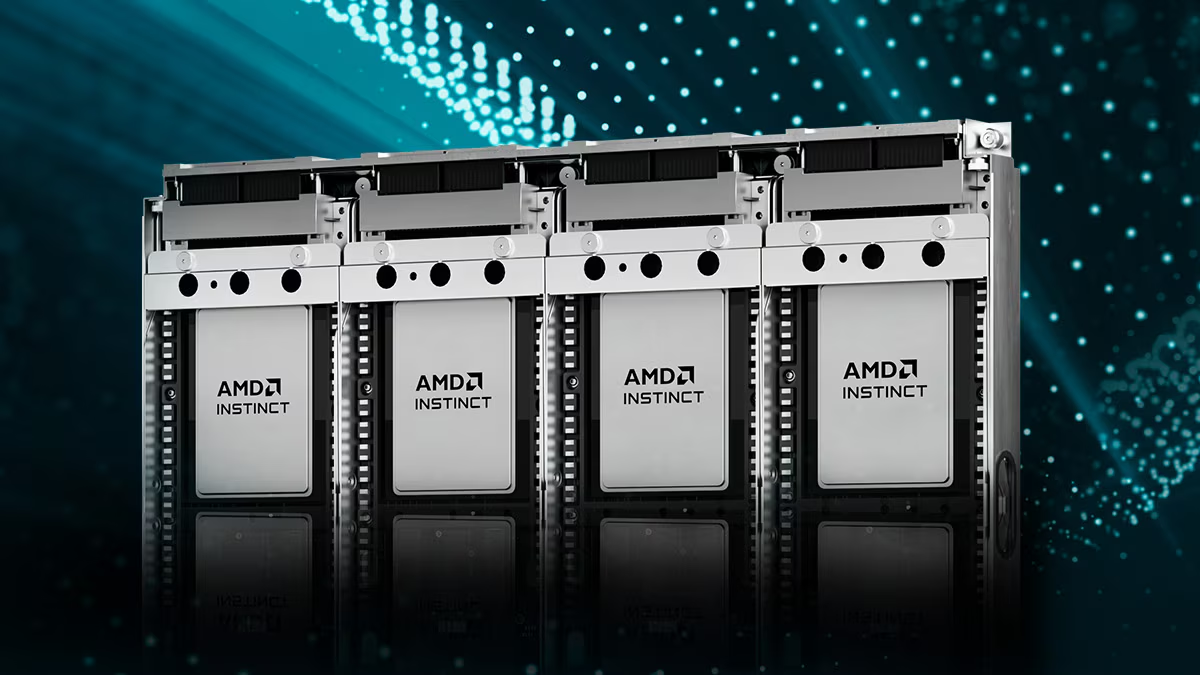
AMD is putting high precision computing back at the center of the HPC conversation with the preview of its next generation Instinct MI430X GPU, a new accelerator that the company says is projected to deliver more than 200 TFLOPs of native FP64 performance. According to AMD, that positions MI430X as a new performance class for simulation, modeling, and AI driven science, while also giving it more than 6 times the FP64 performance of NVIDIA’s next generation Rubin architecture. The announcement was published during HPC User Forum 2026 and highlights AMD’s strategy of combining leadership class high precision compute with low precision AI capability in the same accelerator package.
That positioning matters because the current AI race has largely pushed attention toward lower precision compute formats such as FP4, FP6, and FP8, which are critical for training and inference efficiency. AMD’s latest message is that scientific accuracy still matters, especially for the large scale simulations that increasingly feed modern AI models. In that context, MI430X is being framed not just as a traditional HPC part, but as infrastructure for AI for science workloads where numerical fidelity, throughput, and simulation quality are all equally important. AMD specifically describes MI430X as a platform designed to support both leadership FP64 and low precision AI capabilities in a single package.
The competitive framing is also aggressive. AMD states that MI430X is projected to provide more than 6 times the FP64 performance of NVIDIA Rubin, with the comparison based on publicly disclosed Rubin specifications as of April 2026. That makes this preview one of AMD’s clearest attempts yet to separate its HPC roadmap from the AI centric acceleration narrative that has dominated the market. For technical buyers, national labs, and research institutions, this is the kind of positioning that could resonate strongly, especially as next generation systems increasingly need to balance AI acceleration with classical simulation and modeling workloads.
| Feature | Hopper GPU | Blackwell GPU | Rubin GPU | MI430X GPU |
|---|---|---|---|---|
| FP32 vector (TFLOPS) | 67 | 80 | 130 | TBD |
| FP32 matrix (TFLOPS) | 67 | 227* | 400* | TBD |
| FP64 vector (TFLOPS) | 34 | 40 | 33 | 200 |
| FP64 matrix (TFLOPS) | 67 | 150* | 200* | TBD |
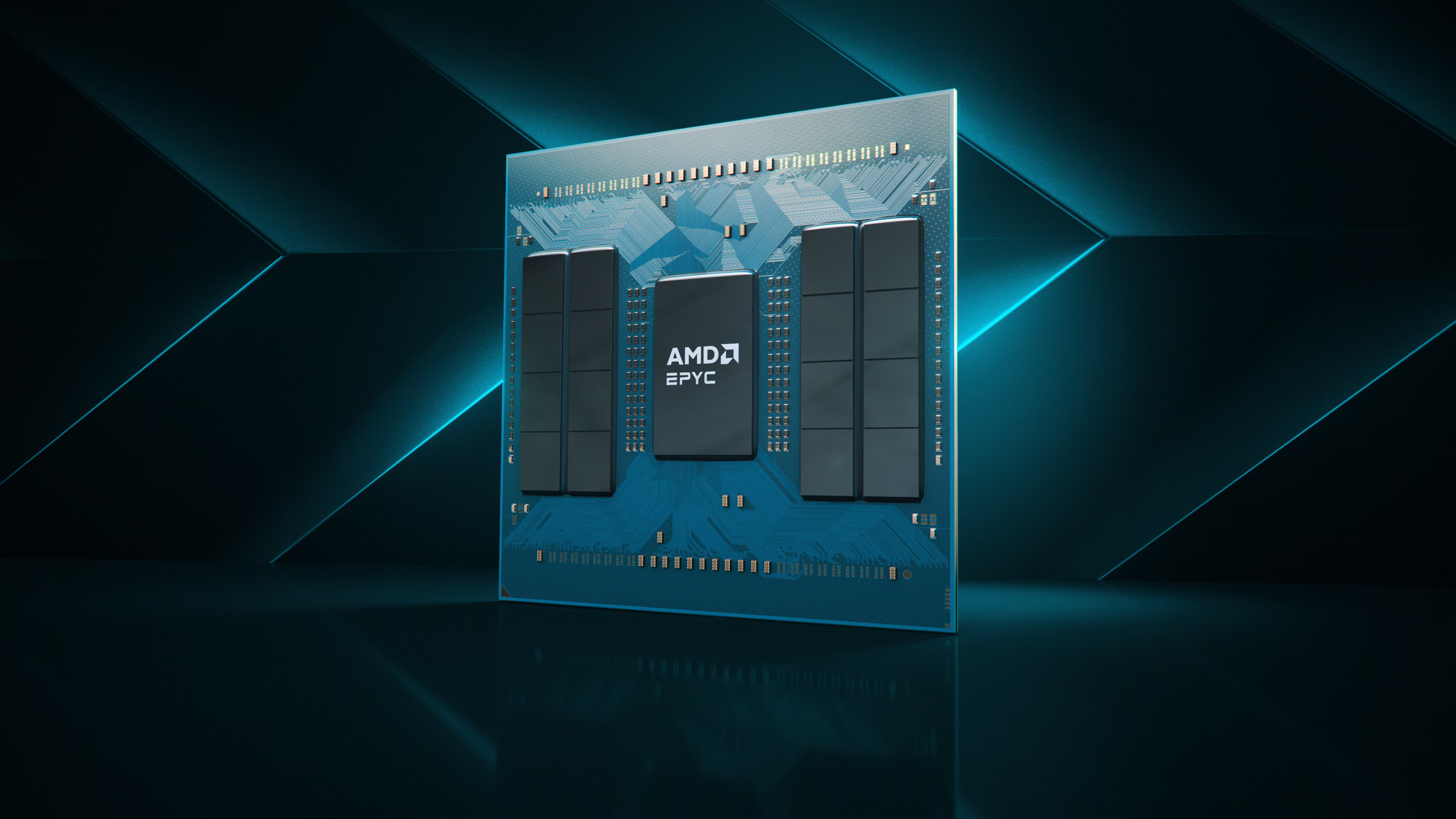
AMD also tied the MI430X preview directly to future supercomputer deployments. In the United States, the company says the upcoming Discovery system at Oak Ridge National Laboratory is planned for deployment in 2028 in cooperation with the U.S. Department of Energy under the Genesis Mission. AMD says Discovery is expected to become the DOE’s next flagship system and will use Instinct MI430X GPUs alongside next generation EPYC CPUs to support large scale AI training and inference, agentic AI, and scientific simulation. The company also says the platform will help drive breakthroughs in energy, biology, advanced materials, national security, and manufacturing innovation.
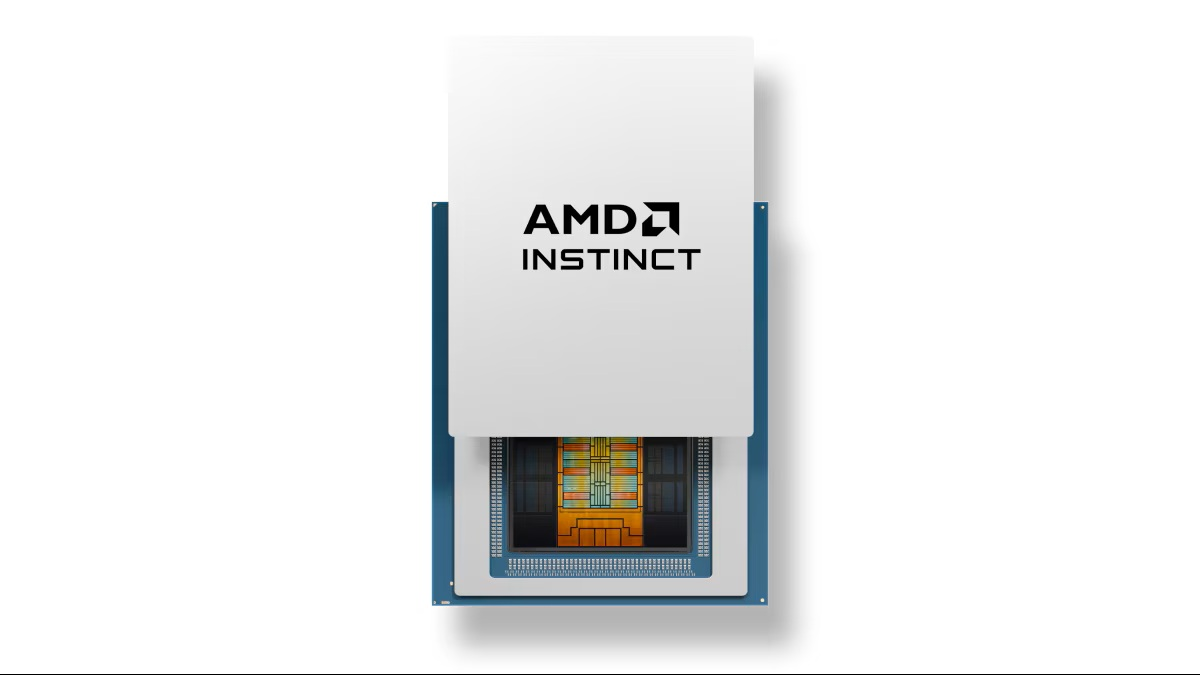
Europe is also part of AMD’s MI430X roadmap. The company confirmed that the Alice Recoque supercomputer will use next generation Instinct MI430X GPUs and EPYC CPUs, with deployment in cooperation with GENCI and operation by CEA. AMD says the system is expected to become Europe’s new supercomputer and is designed to deliver exascale class performance for both AI and traditional HPC workloads, with more than 1 exaflop of HPL performance projected. That gives MI430X an important international footprint from the start, reinforcing AMD’s broader ambition to become a foundational supplier for sovereign AI and high performance national infrastructure.
From an industry perspective, the most important part of this announcement may be the broader signal behind it. AMD is not simply talking about a faster accelerator. It is making the case that future AI development will increasingly depend on high fidelity simulation data, and that low precision compute alone is not enough to support the next phase of scientific and industrial AI. For readers in the enthusiast and workstation space, this is a very different kind of performance race than the gaming GPU battle, but the principle is familiar: raw numbers matter most when they unlock real world workloads, and AMD is clearly betting that the next major compute battleground will be where AI and HPC fully converge.
What do you think about AMD pushing FP64 performance back into the spotlight? Could this become one of the biggest differentiators in the next wave of AI and supercomputing infrastructure?
