
The Sinking City 2 Moves to Summer 2026 as Frogwares Fully Embraces Survival Horror
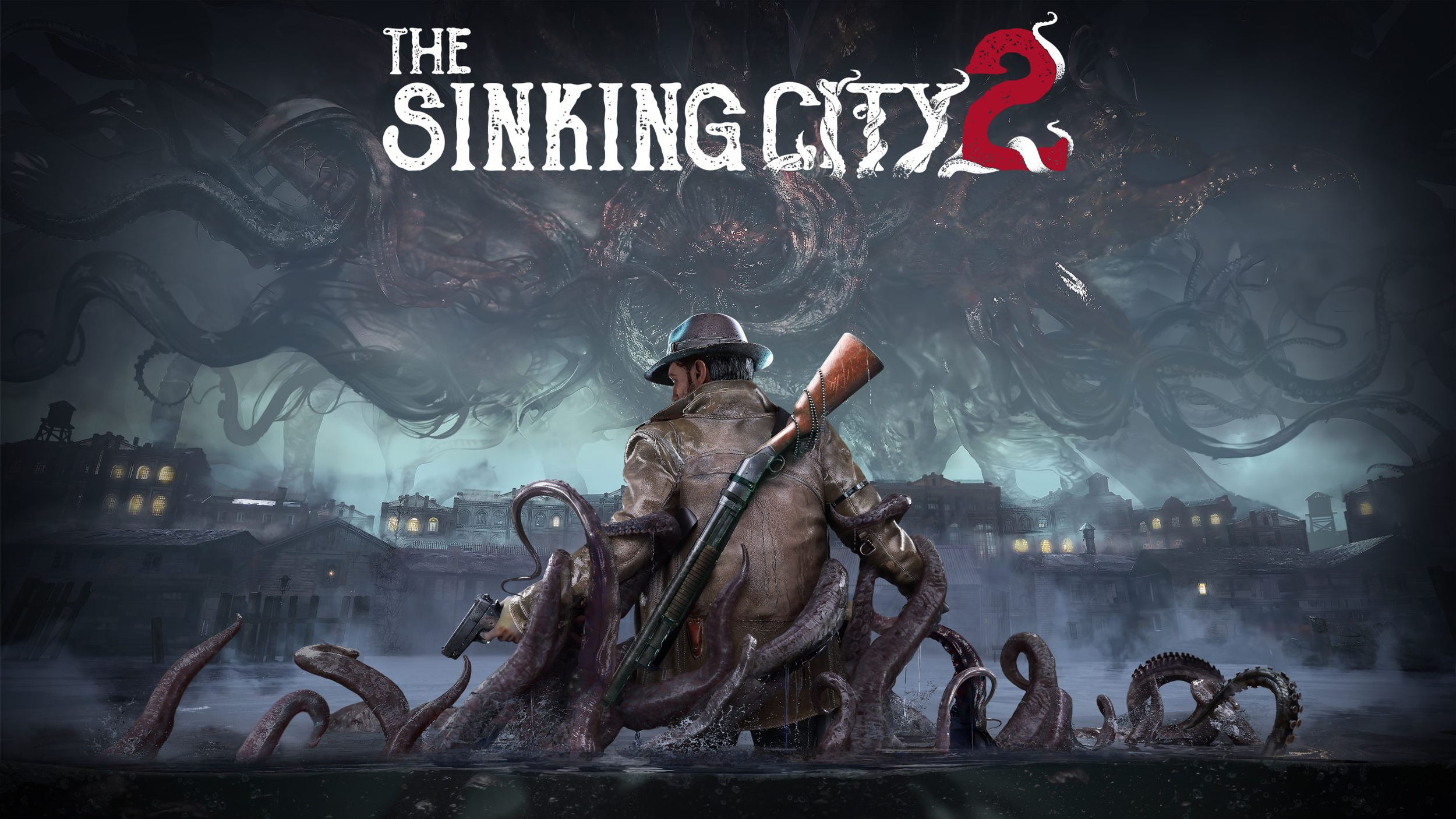
Frogwares has officially shifted The Sinking City 2 to a Summer 2026 release window, with the Lovecraftian sequel now scheduled to launch on PC, PlayStation 5, and Xbox Series X|S. The Ukrainian studio had previously moved the project from its original late 2025 target into the first half of 2026, citing the ongoing impact of Russia’s invasion of Ukraine on development.
Alongside the updated launch window, Frogwares has shared a new gameplay reveal that makes one thing very clear: this is not simply a larger version of the first game. While the original The Sinking City leaned heavily on investigation, deduction, and narrative mystery with horror elements woven throughout, the sequel is being positioned as a much more direct survival horror experience. Game director Alexander Gresko explained that investigation now functions as a useful additional layer rather than the foundation of the experience, while combat, survival pressure, and exploration take center stage.
That shift in direction gives the sequel a very different gameplay identity. Set in a flooded and haunted version of 1920s Arkham, The Sinking City 2 follows Calvin Rafferty, an occult adventurer trying to save his girlfriend Faye after a failed dreaming ritual leaves her trapped in an unnatural sleep. Frogwares is building the game around Calvin’s desperate personal mission, with the broader setting shaped by cult activity, arcane rituals, and grotesque eldritch entities lurking within the city’s submerged ruins.
The new structure sounds far more in line with classic survival horror design. Calvin explores Arkham both on foot and by boat, scavenging through ruined districts while managing limited resources and fighting creatures known as the Slither, horrifying beings that possess and reanimate the dead. Combat includes period appropriate firearms and melee weapons, but Frogwares is also emphasizing scarcity, which means players will need to think carefully about every encounter and every item they choose to carry. Limited inventory space is expected to create meaningful tension throughout the campaign, reinforcing the game’s more dangerous and oppressive tone.
Importantly, Frogwares has not abandoned its investigative DNA altogether. Optional cases and puzzles will still appear throughout the game, rewarding curious players with upgrades, lore, secrets, and deeper environmental storytelling. That may prove to be a smart strategic balance for the studio. The first game built its identity around investigation, so preserving that element as optional but meaningful content could help the sequel retain continuity while still repositioning itself for a broader horror audience. The narrative is also said to remain morally grey, which fits Frogwares’ long standing storytelling approach and could give the game an edge in a genre where atmosphere alone is rarely enough.
The project also arrives with strong community backing. The Sinking City 2 was funded through Kickstarter, where Frogwares ultimately secured €554,002 in pledges, unlocking all announced stretch goals. Those included expanded investigation content, additional Slither variations, a new Shoggoth monster, a secret area tied to the original The Sinking City, and more secrets and puzzles. That level of support showed there was already meaningful demand for the sequel, but it also raised expectations for scale and polish, something the studio is clearly trying to meet even as development remains affected by wartime conditions.
For Frogwares, this sequel is more than a follow up. It is also a major design pivot. The studio itself has acknowledged that building a true survival horror game requires a very different production mindset from making investigation driven adventure titles, and that transition has been one of the reasons progress has taken longer than originally expected. Combined with the real world pressure of operating as a Ukrainian developer during an ongoing war, the delay becomes easier to understand.
From an industry perspective, The Sinking City 2 now looks positioned to compete less as a narrative detective sequel and more as a darker, systems driven horror title with stronger mainstream appeal. That could be the right move. Survival horror continues to perform well when studios can deliver atmosphere, scarcity, and memorable creature design, and Frogwares already has a strong thematic foundation thanks to its Lovecraftian world building. The real question now is whether the studio can translate that ambition into a polished and cohesive gameplay loop by Summer 2026.
What do you think about Frogwares shifting The Sinking City 2 away from detective focused gameplay and further into full survival horror?
