
NVIDIA Reportedly Preparing RTX 5080 With 24 GB GDDR7 for Q1 2027
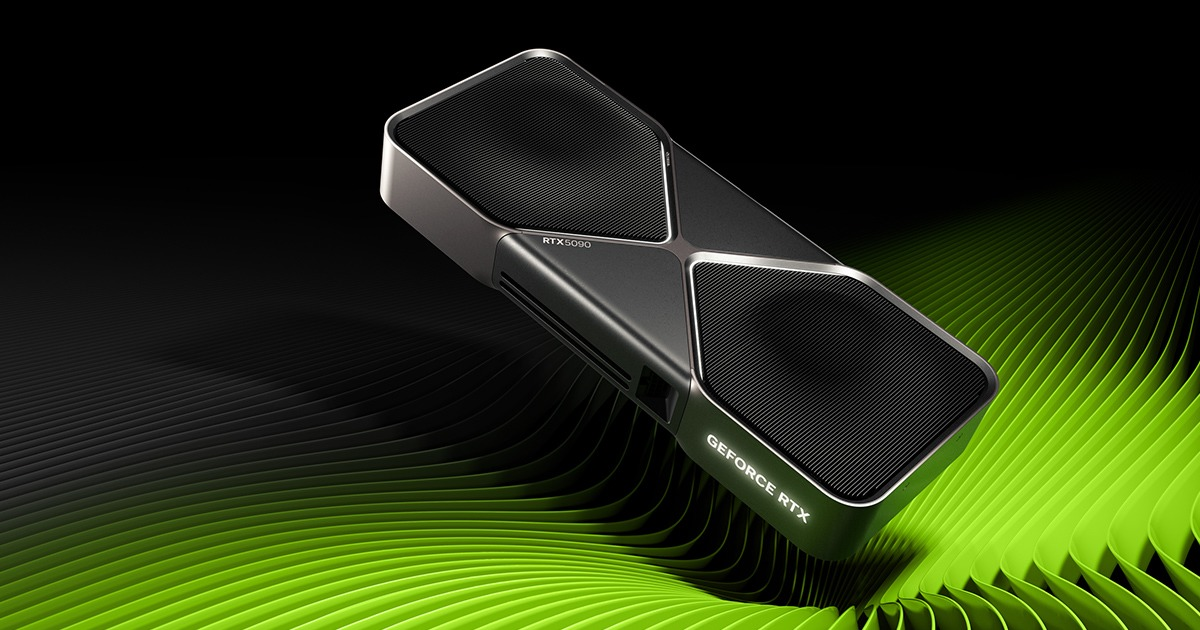
NVIDIA is reportedly preparing a new GeForce RTX 5080 with 24 GB of GDDR7 memory for Q1 2027, potentially replacing the current 16 GB model rather than launching alongside it.
The information comes from Taiwanese hardware outlet BenchLife, which says AIC partners have received verbal notification about the product but are still waiting for development documentation. NVIDIA has not formally announced the model, so the Q1 2027 timing and final configuration remain subject to change.
What BenchLife specifically reports is relatively limited: a GeForce RTX 5080 with 24 GB of GDDR7 is planned for Q1 2027, and the new model is expected to replace the existing 16 GB version.
The remaining technical details have not been disclosed. Based on the current RTX 5080 design, one plausible implementation would be 8 higher density 3 GB GDDR7 packages connected across the existing 256 bit memory interface. That would increase VRAM capacity by 50% without requiring a wider bus, but this configuration remains an inference rather than a reported specification.
| Specification | Current RTX 5080 | 24 GB RTX 5080 |
|---|---|---|
| VRAM | 16 GB GDDR7 | 24 GB GDDR7 reported |
| Launch Timing | Available | Q1 2027 reported |
| Product Positioning | Current model | Replacement for 16 GB model reported |
| Architecture | Blackwell | Not specifically detailed |
| Memory Interface | 256 bit | 256 bit inferred |
| Memory Packages | 8 × 2 GB | 8 × 3 GB inferred |
| Memory Bandwidth | 960 GB/s | Not reported |
| Memory Speed | 30 Gb/s | Not reported |
| CUDA Cores | 10,752 | Not reported |
| Power Target | 360 W | Not reported |
The configuration is immediately familiar because NVIDIA has already been linked to a GeForce RTX 5080 SUPER with 24 GB of GDDR7. Earlier reports suggested that card could combine 24 GB with faster 32 Gb/s GDDR7 and a higher power target, potentially raising memory bandwidth to around 1 TB/s.
What remains unclear is whether this 24 GB RTX 5080 is effectively the previously expected SUPER model under a different name or a simpler refresh of the existing card. BenchLife does not provide CUDA core counts, clocks, memory speeds, or power limits.
The broader RTX 50 SUPER refresh has reportedly faced pressure from the availability and cost of higher density GDDR7. RTX 50 SUPER cards reaching board partners while memory costs complicated the launch, 3 GB GDDR7 packages have been central to the higher capacity configurations associated with the refresh.
BenchLife also says NVIDIA has stopped allocating GB202 chips for GeForce RTX 5090 production to AIC partners, with more supply being directed toward higher margin RTX Pro products. The outlet describes this as an allocation change rather than a conventional End of Life announcement.
If that continues, the 24 GB RTX 5080 could take on a more important position in NVIDIA's actively produced GeForce lineup during 2027. It would not replace the RTX 5090 in performance, since the latter uses the substantially larger GB202 GPU and carries 32 GB of GDDR7.
Pricing has not surfaced. The existing RTX 5080 launched at $999, while higher density GDDR7 could increase manufacturing costs depending on supply conditions.
For gamers, the additional memory would mainly address one of the RTX 5080's most debated specifications. Increasing VRAM from 16 GB to 24 GB would provide more headroom for high resolution textures, ray tracing workloads, heavily modified games, professional applications, and local AI models. The capacity increase alone would not necessarily translate into a similar increase in frame rates.
The most important confirmed part of this report is the capacity change itself. A move from 16 GB to 24 GB would give the RTX 5080 considerably more headroom for modern games, creative applications, and local AI workloads.
Everything beyond that is still open.
If NVIDIA keeps the existing GB203 configuration and simply adopts denser memory packages, this could be primarily a VRAM refresh. If the card instead inherits the faster memory and higher power targets previously associated with the rumored RTX 5080 SUPER, it could become a broader performance update.
Until development documentation reaches board partners, the 24 GB capacity and reported Q1 2027 timing are the clearest pieces of information available.
Would 24 GB of VRAM make the RTX 5080 significantly more attractive to you, or would NVIDIA also need to increase performance for a 2027 refresh to make sense?
