
ONEXPLAYER X2 Mini Pro Launches With Ryzen AI Max Plus 388 Starting at 2,499$
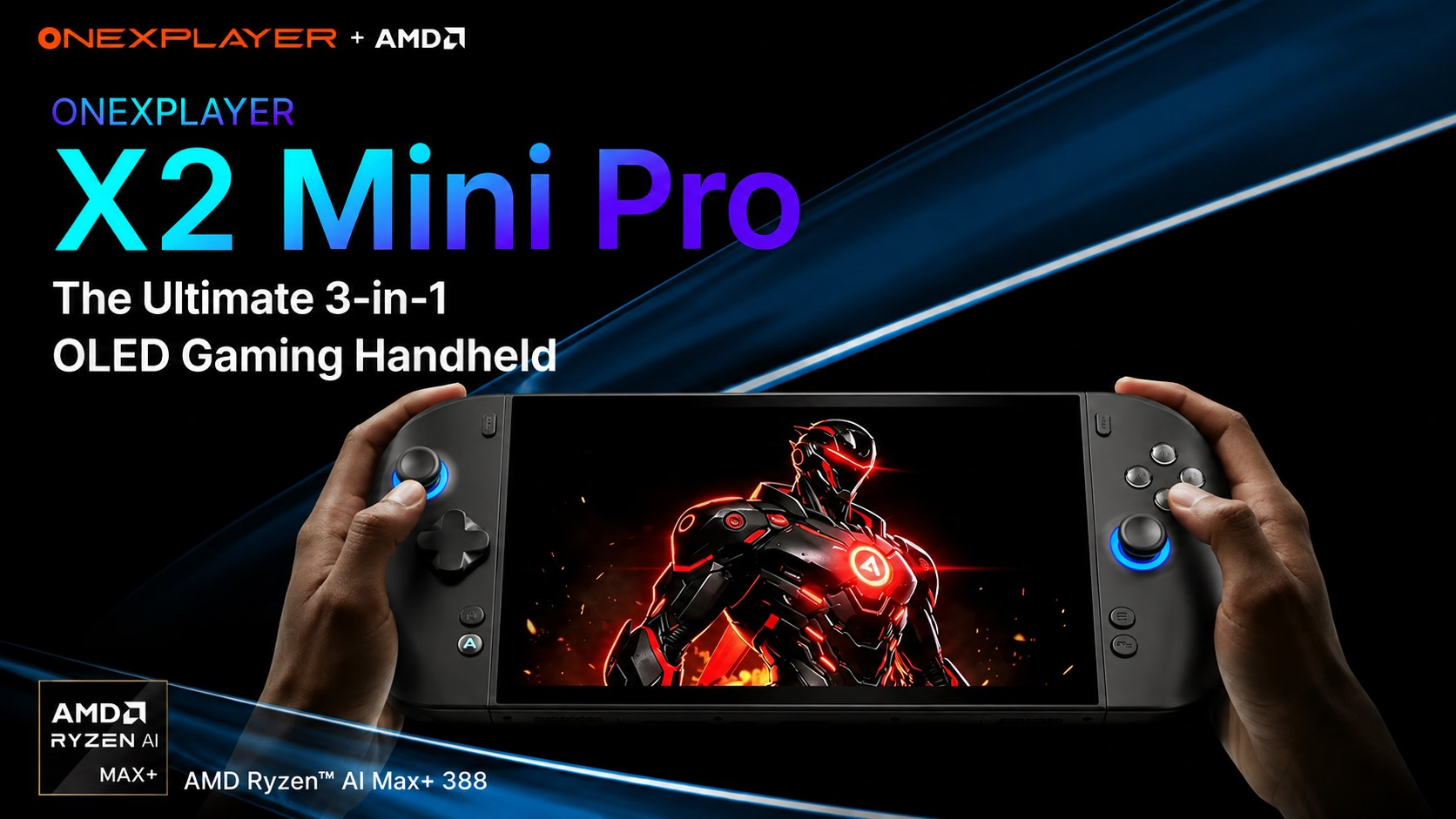
ONEXPLAYER has launched the X2 Mini Pro, an extremely high end Windows gaming handheld built around AMD's Ryzen AI Max Plus 388 Strix Halo processor, with pricing beginning at a substantial 2,499$ for the 48 GB LPDDR5X and 1 TB SSD configuration. The new model combines desktop class integrated graphics performance with an 8.8 inch OLED display, detachable controllers, a removable battery and optional external liquid cooling, positioning it less as a conventional Steam Deck competitor and more as a portable gaming workstation. The ONEXPLAYER X2 Mini Pro is currently listed for preorder with shipments scheduled during August.
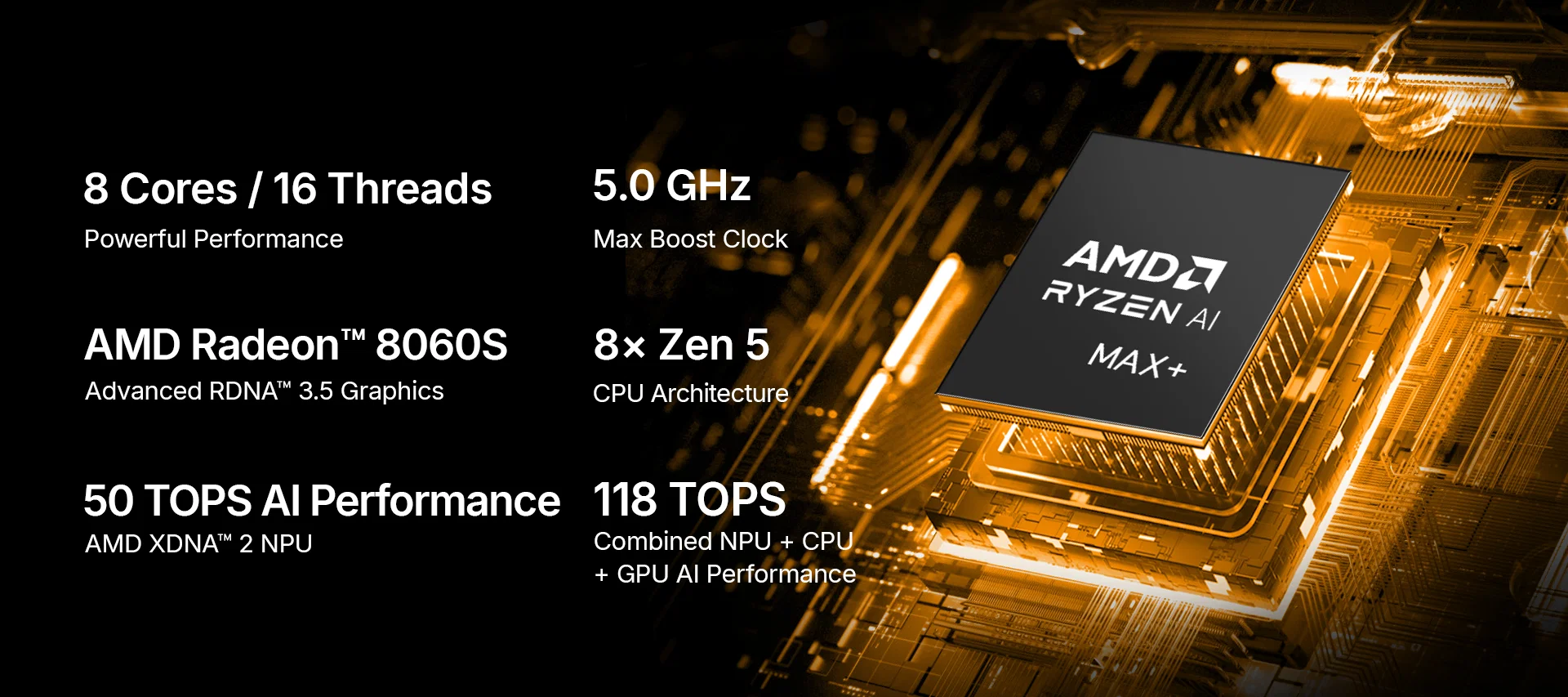
At the center is AMD's Ryzen AI Max Plus 388, an 8 core and 16 thread processor paired with Radeon 8060S integrated graphics. The GPU retains the formidable 40 Compute Unit RDNA 3.5 configuration found at the upper end of Strix Halo and can reach frequencies of up to 2900 MHz. ONEXPLAYER also uses AMD's unified memory architecture, allowing the CPU, GPU and NPU to share the same LPDDR5X memory pool. This is particularly valuable for the Radeon 8060S because large amounts of system memory can be dynamically allocated to graphics and local AI workloads rather than being limited by a fixed dedicated VRAM capacity.
The display is equally ambitious. X2 Mini Pro features an 8.8 inch OLED panel with a 1920 x 1200 resolution, a variable refresh range between 30Hz and 144Hz, HDR support and up to 1100 nits of peak brightness under HDR conditions. The device uses detachable controllers and can transition between handheld, tablet and compact laptop style configurations when paired with its magnetic keyboard, giving ONEXPLAYER a broader productivity angle than most dedicated gaming handhelds. An 85Wh removable battery provides the power foundation for portable operation, an important specification considering how aggressively the Ryzen AI Max platform can scale when higher performance profiles are enabled.
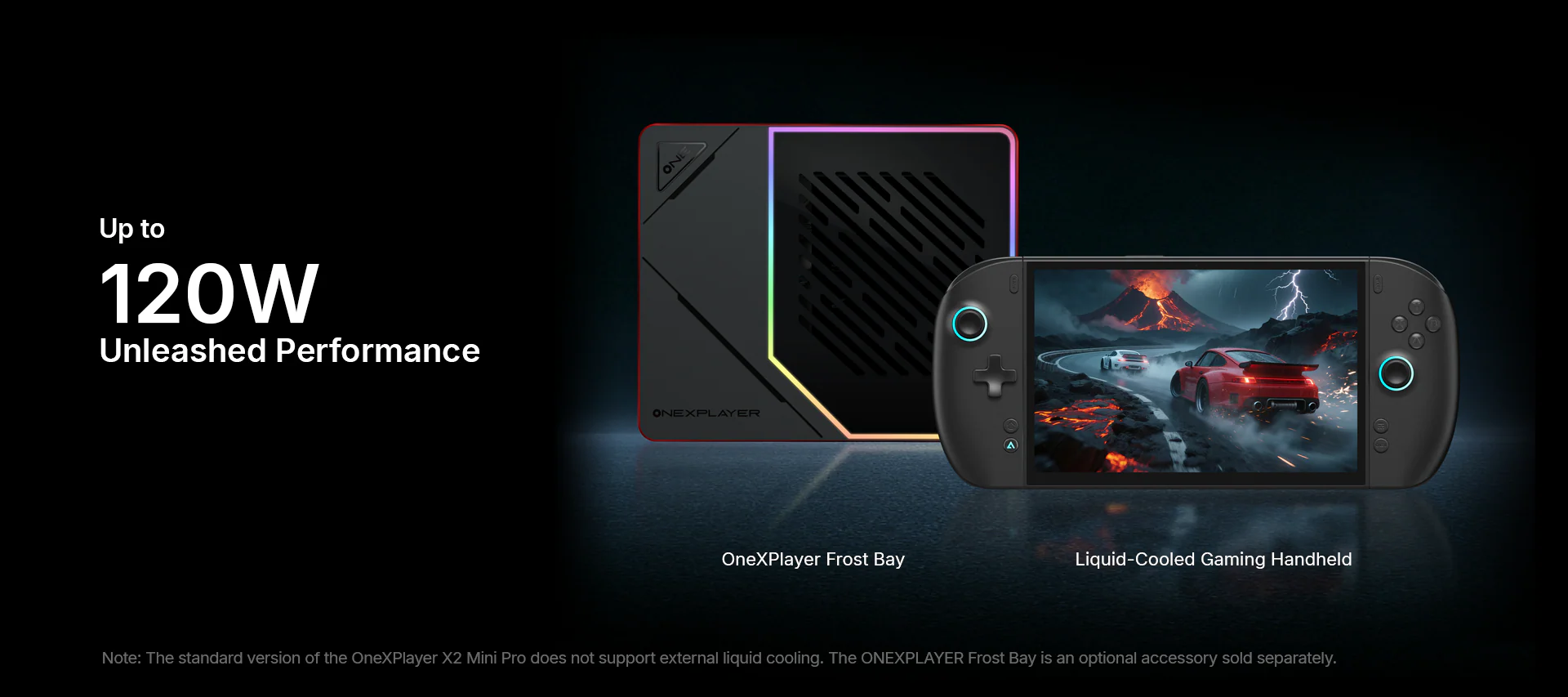
Cooling is where the X2 Mini Pro becomes particularly unusual. Standard air cooling allows ONEXPLAYER to advertise sustained power of up to 80W, supported by a cooling fin area measuring 47,200 mm². Buyers can also select the liquid cooled version and connect the external Frost Bay cooling system, which allows the machine to operate at up to 120W of sustained power. That moves the X2 Mini Pro far beyond the typical power envelope associated with portable gaming hardware, although operating at those levels clearly shifts the experience toward a docked or desktop replacement use case rather than battery powered handheld gaming.
Storage is handled through an internal M.2 2280 PCIe 4.0 SSD alongside ONEXPLAYER's external Mini SSD expansion interface. The controls include Hall effect analog sticks designed to reduce mechanical wear and stick drift, while the dual stage triggers use Hall effect sensing with physical travel adjustment for different game types. ONEXPLAYER also includes a controller connector, magnetic keyboard and protective bag with the standard bundle currently listed through its store.
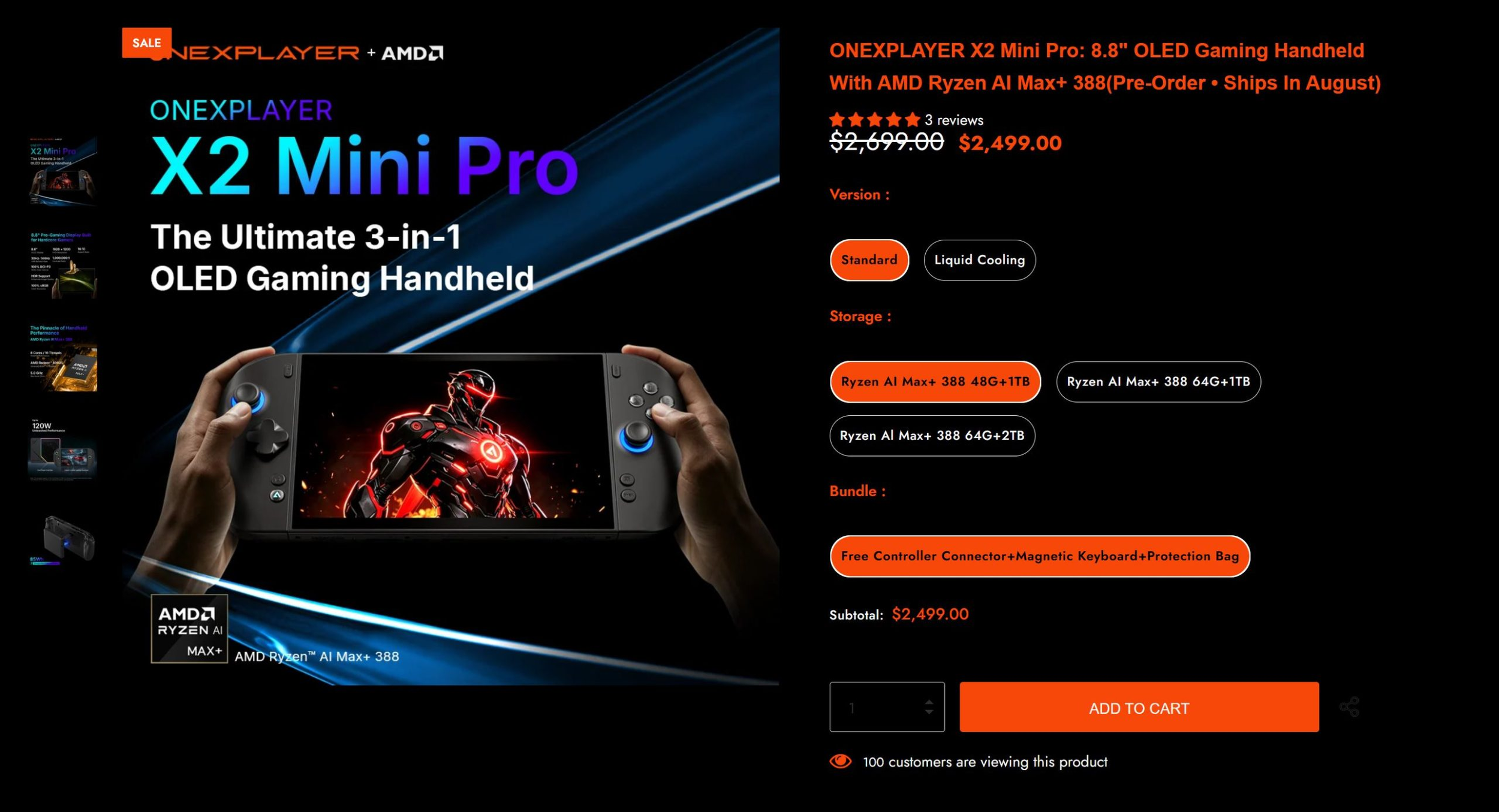
Pricing places the device firmly inside premium gaming laptop territory. The standard 48 GB and 1 TB configuration starts at 2,499$, while 64 GB and 1 TB increases the price to 2,799$. A standard model with 64 GB and 2 TB reaches 2,999$. Liquid cooling raises those prices further, starting at 2,579$ for 48 GB and 1 TB, while the highest configuration with 64 GB, 2 TB and the Frost Bay package reaches 3,229$. The official store currently presents the 2,499$ entry price as discounted from 2,699$.
That pricing becomes even more striking when compared with ONEXPLAYER's existing Strix Halo hardware. The company's Ryzen AI Max Plus 395 powered APEX originally entered the market substantially below the X2 Mini Pro, although ONEXPLAYER recently raised APEX prices by 200$ because of increasing component costs. The APEX also carries the more powerful 16 core Ryzen AI Max Plus 395 on higher configurations, showing just how heavily memory pricing, OLED hardware and the modular X2 design are influencing the cost of this newer system.
ONEXPLAYER is simultaneously expanding its portfolio in other directions. The company recently introduced the OneXPlayer 3 with Intel Arc G3 Extreme and an 8.8 inch OLED display, showing that its strategy is increasingly focused on premium modular PCs rather than competing purely on handheld affordability. X2 Mini Pro represents the most extreme version of that philosophy, combining Strix Halo, a large OLED panel and optional liquid cooling in a device priced closer to a high performance notebook than a traditional portable console.
The X2 Mini Pro is impressive hardware, but 2,499$ completely changes how the product needs to be evaluated. At this level, buyers are no longer comparing it only with a Steam Deck, ROG Ally or Legion Go. They are comparing it with premium gaming laptops, powerful desktops and dedicated local AI workstations.
The Radeon 8060S, up to 64 GB of unified memory and the ability to sustain as much as 120W with external liquid cooling make this a fascinating portable machine, particularly for users who want gaming, local AI and productivity in one system. The problem is value. The Ryzen AI Max Plus 388 retains the same powerful 40 Compute Unit graphics configuration but cuts CPU resources substantially compared with the Ryzen AI Max Plus 395. At close to 3,000$ for higher configurations, buyers will need to place considerable value on the OLED screen, detachable design and compact form factor to justify the premium.
Would you spend 2,499$ on a Ryzen AI Max Plus 388 handheld, or would that budget make a premium gaming laptop or desktop the better choice?
