
OneXPlayer 3 Debuts With Intel Arc G3 Extreme and 8.8 Inch OLED as Intel Pushes Harder Into Handheld Gaming
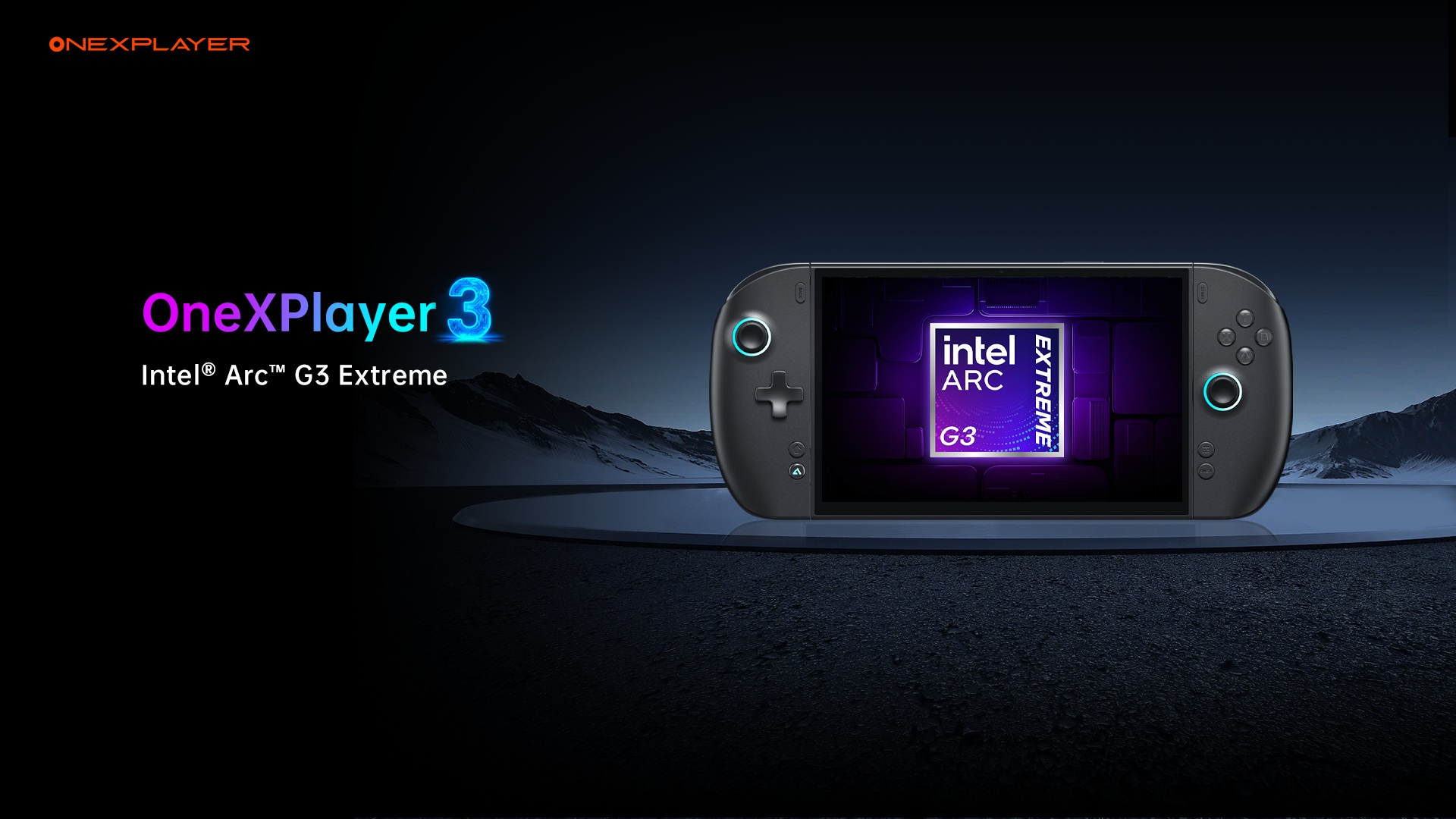
OneXPlayer has officially introduced the OneXPlayer 3, one of the first announced gaming handhelds built around Intel’s new Arc G3 Extreme platform, giving the company an early flagship design as Intel expands its dedicated handheld strategy. Intel says the Arc G series was purpose built for handheld gaming rather than adapted from a conventional thin and light laptop design, and OneXPlayer is clearly positioning its new system as a premium showcase for that silicon.
At the center of the device is the Intel Arc G3 Extreme, which Intel lists with 14 total CPU cores made up of 2 Performance cores, 8 Efficient cores, and 4 Low Power Efficient cores, alongside a 12 Xe3 graphics configuration aimed at higher end portable gaming workloads. That combination places the OneXPlayer 3 squarely in the flagship handheld category, especially as Intel uses Arc G3 Extreme to pitch stronger graphics capability, XeSS 3 support, and a more optimized balance between performance and battery life for portable play.
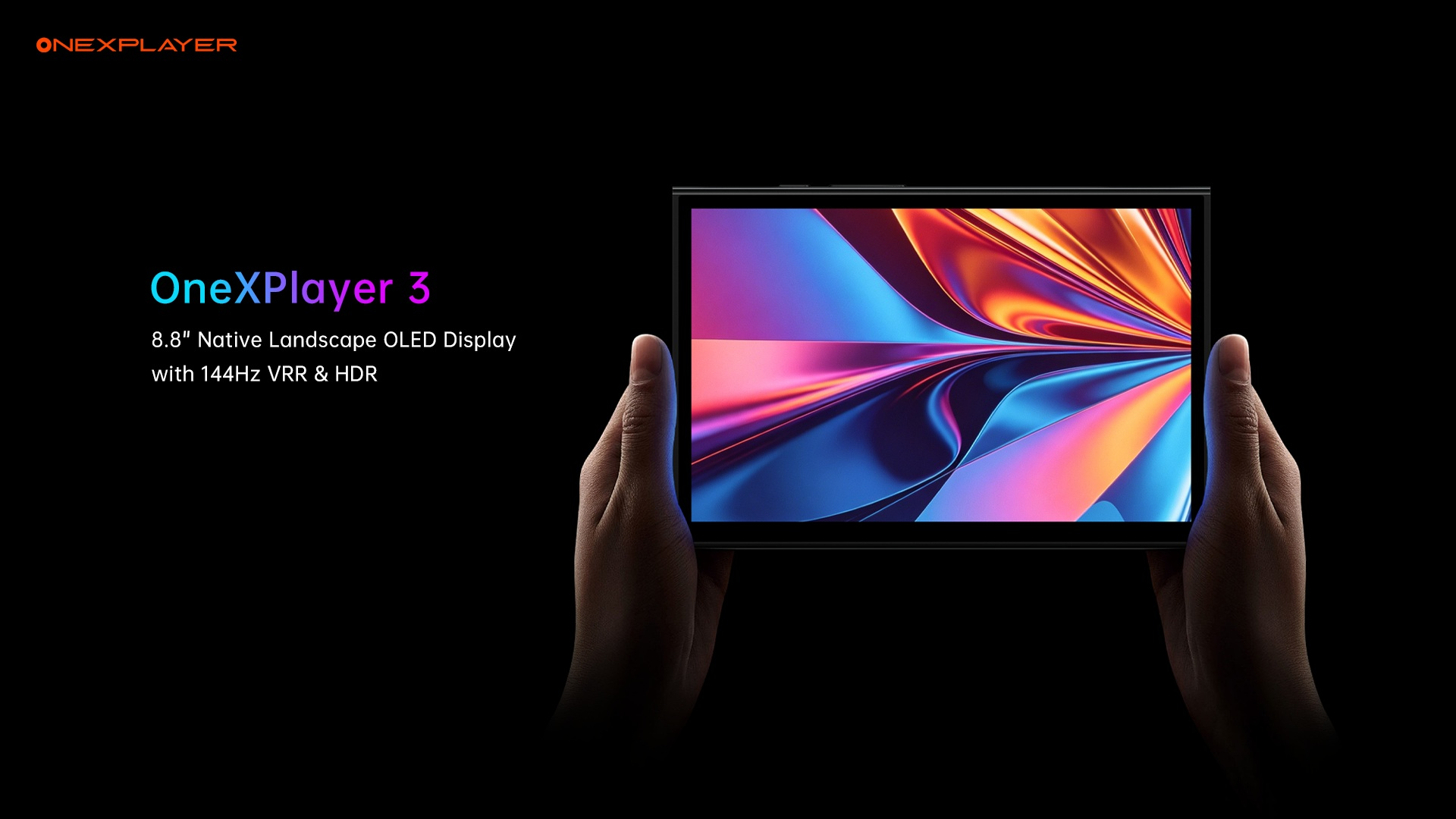
OneXPlayer is pairing that processor with a large 8.8 inch OLED display that supports a 144Hz refresh rate, VRR, and HDR, which immediately gives the system one of the more aggressive display specifications in the current handheld space. For players who care about visual quality as much as raw frame rates, this is one of the most important parts of the device. OLED contrast, higher refresh support, and adaptive sync can make a major difference in handheld gaming, especially in fast action titles and visually rich single player games.
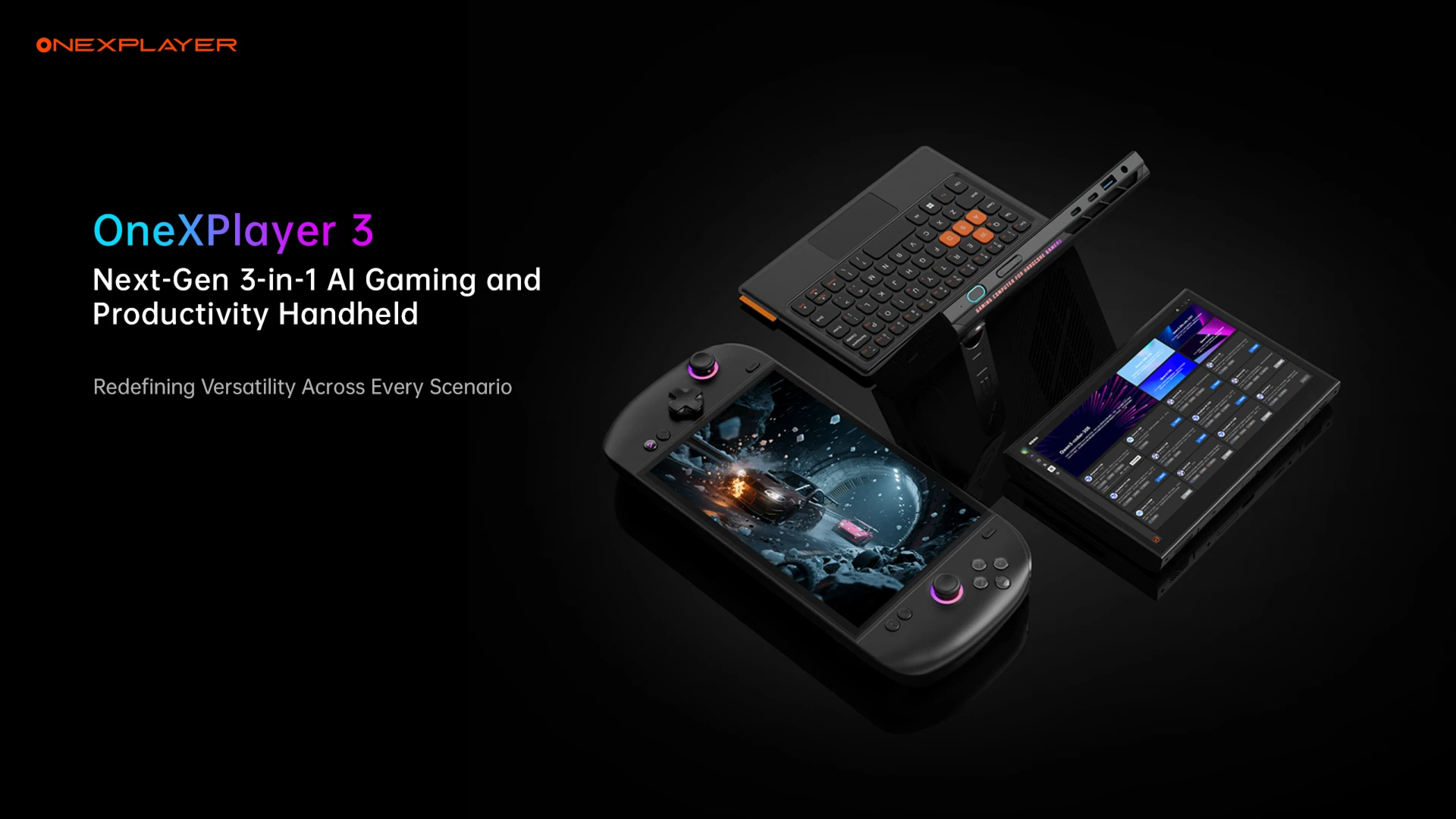
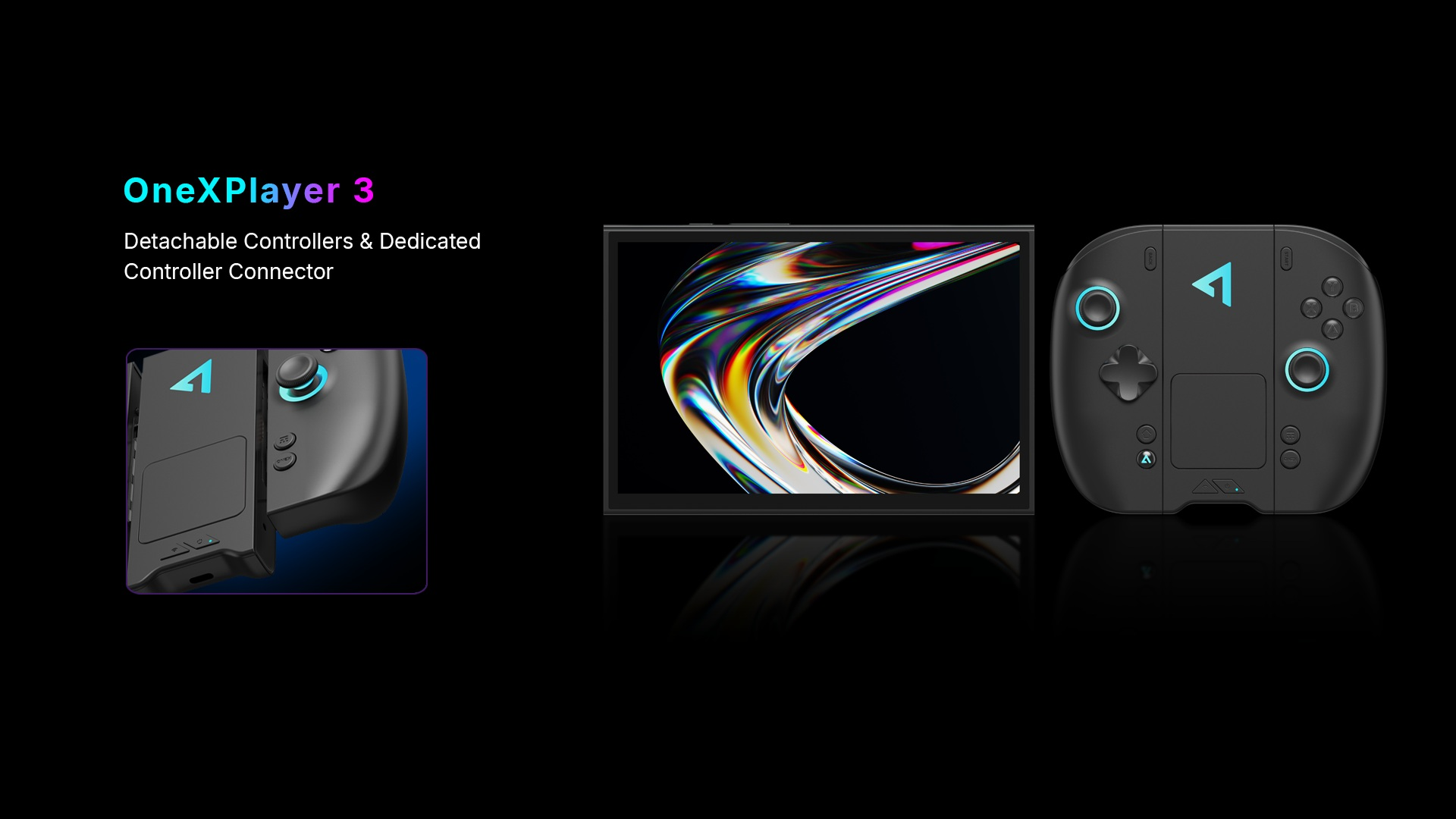
The OneXPlayer 3 also stands out because of its broader hardware concept. The company is describing it as a 3 in 1 system, designed to function as a traditional handheld, a compact laptop style device, or a standalone display oriented setup depending on how the detachable controls and accessories are used. That flexible design approach is becoming a more important differentiator in the handheld market, where vendors are increasingly trying to merge gaming, productivity, and media use into a single premium device.
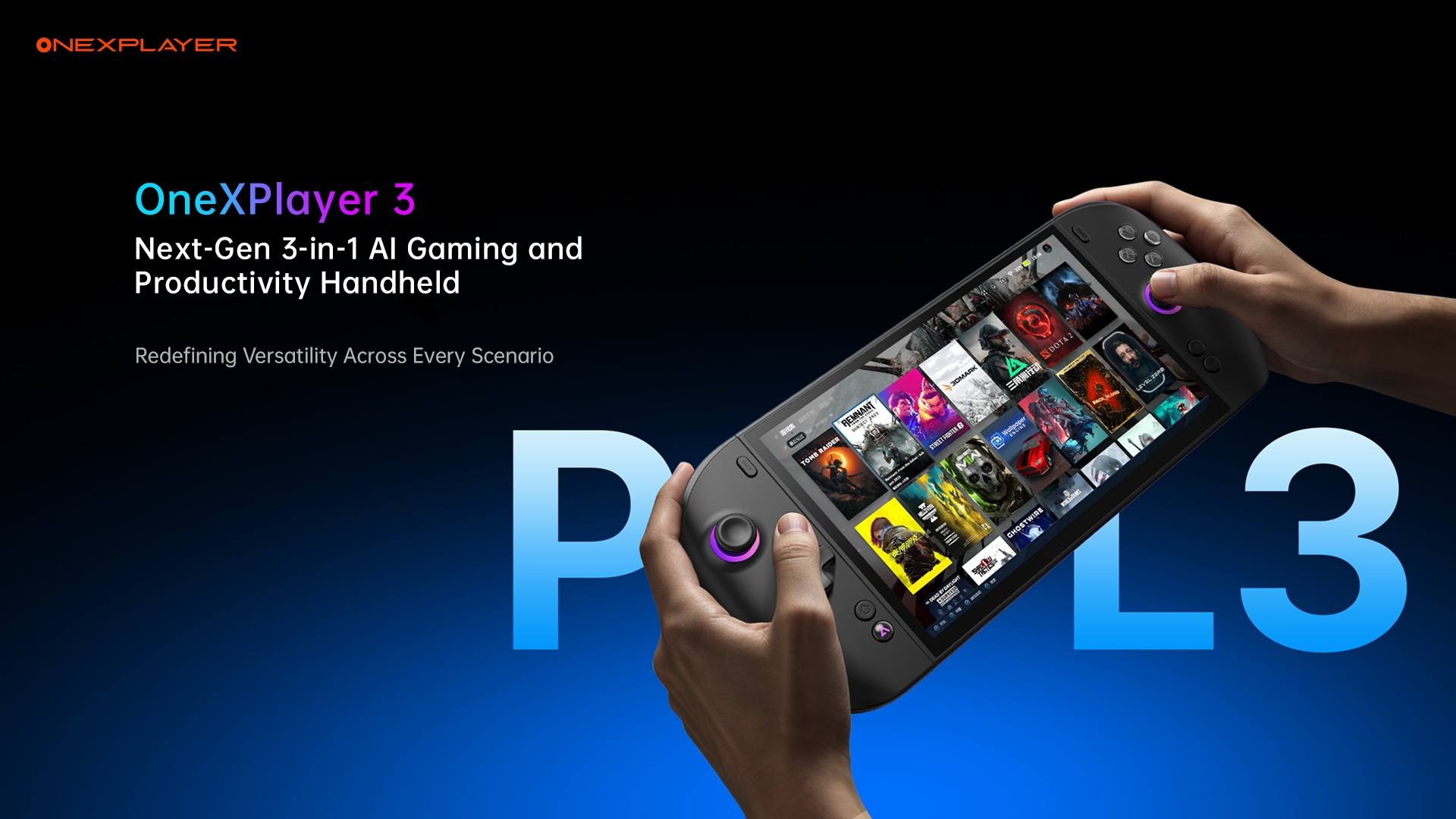
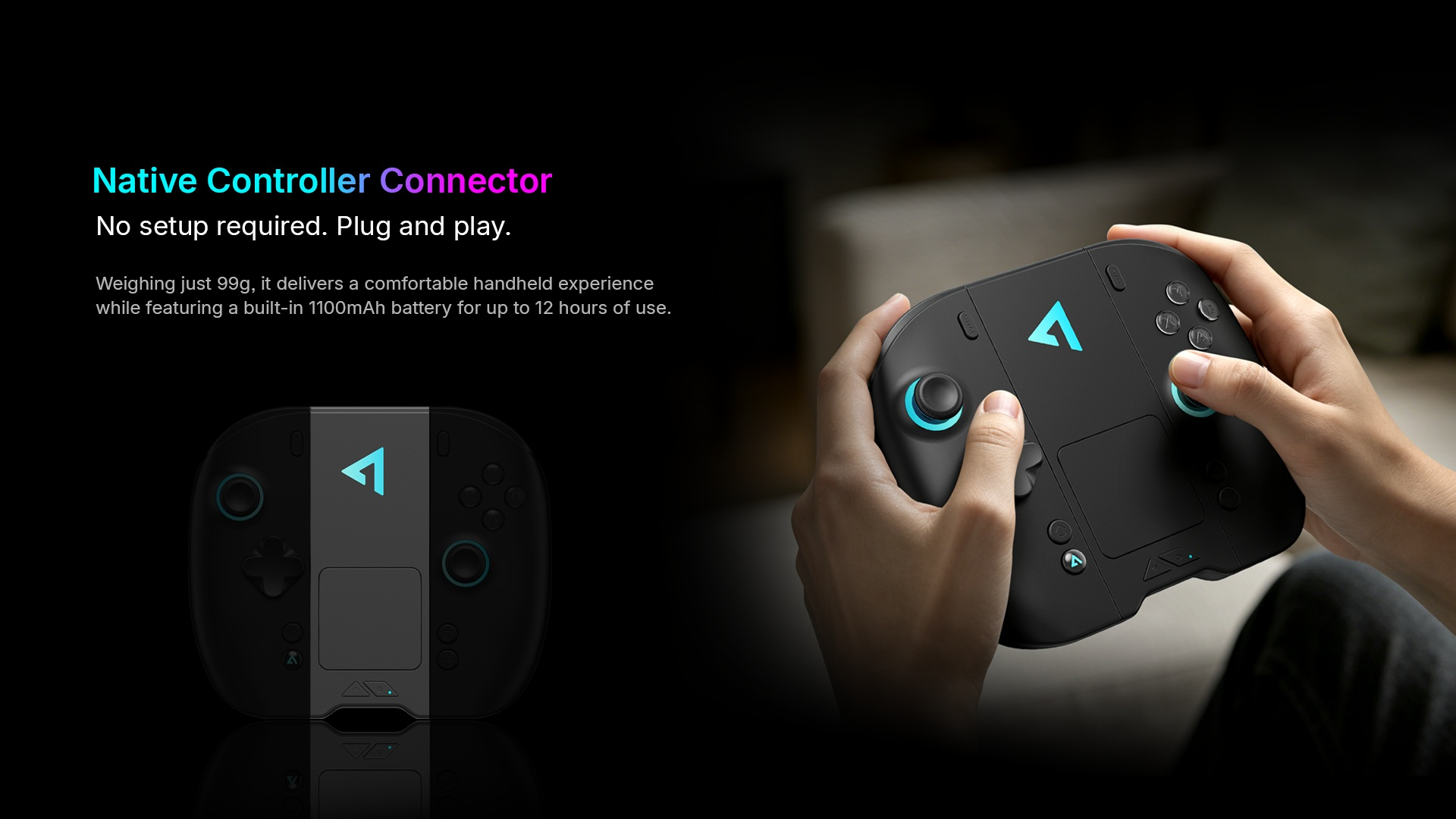
On the controls side, OneXPlayer has highlighted detachable controllers, Hall effect joysticks, and a capacitive touchpad intended to deliver more precise cursor style input. Reports on the reveal also point to additional control features such as two stage trigger behavior and a layout that leans into more desktop like usability when the system is not being used purely as a handheld console replacement. This part of the design is especially relevant because Windows based handhelds continue to live or die by control quality and interface convenience outside of game launchers.
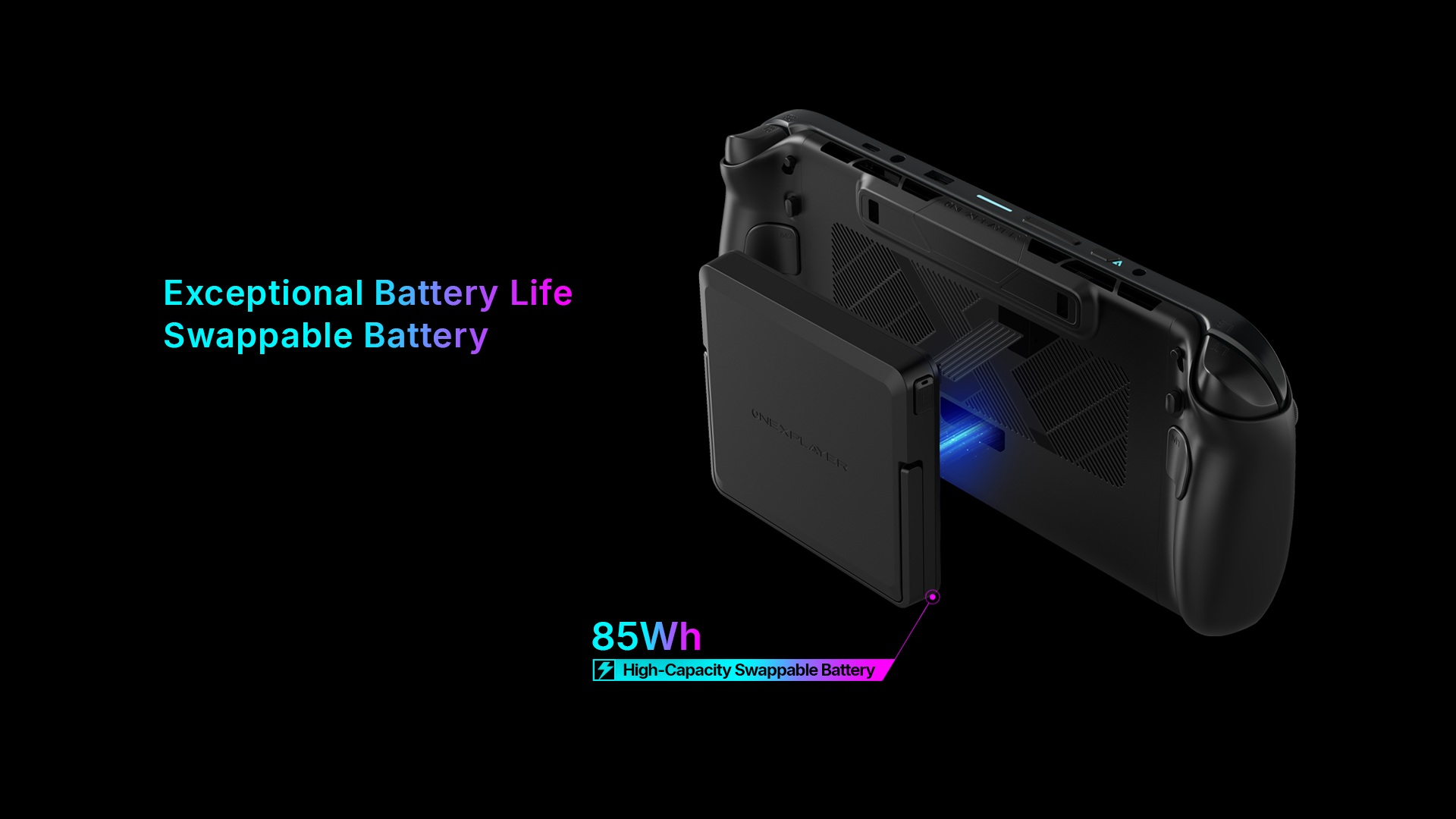
Battery capacity is another area where the OneXPlayer 3 is trying to make a strong first impression. The system includes an 85Wh battery, which is a substantial figure for a handheld and one that suggests the company is taking Intel’s endurance messaging seriously. Real world battery life will still depend heavily on power profiles, brightness, refresh rate, and game load, but the larger battery at least gives the platform a stronger foundation if Arc G3 Extreme is going to compete credibly against AMD based premium handhelds.
Connectivity also looks well rounded based on the currently published specifications. Coverage of the device points to USB4, USB Type A, a microSD slot, a 3.5 mm audio jack, and mini SSD expansion support, giving the OneXPlayer 3 a broader I O set than many smaller handheld designs. That matters because premium handheld buyers are often the same users who want docked play, fast external storage, and flexible expansion without immediately turning to adapters.
For now, pricing remains the major missing piece. OneXPlayer has confirmed that the OneXPlayer 3 is heading to Indiegogo in June 2026, but it has not publicly disclosed the final price yet. That means the product’s competitive position is still not fully clear, because strong silicon and an ambitious display can quickly push a handheld into a price bracket where buyers begin comparing it against gaming laptops rather than other portable systems.
From an industry standpoint, the OneXPlayer 3 is an important early test case for Intel’s renewed push into handheld gaming. AMD still holds the stronger position in this category thanks to broader adoption and a more established track record in portable gaming hardware, but Intel is now entering the space with a more deliberate, handheld first message. If the OneXPlayer 3 delivers strong real world performance, stable drivers, and acceptable battery life, it could become one of the first devices to prove Intel’s Arc G3 strategy has real commercial weight rather than just technical promise.
What do you think about the OneXPlayer 3 so far, can Intel and OneXPlayer turn this into a true high end handheld contender, or will price and battery life decide everything?
