
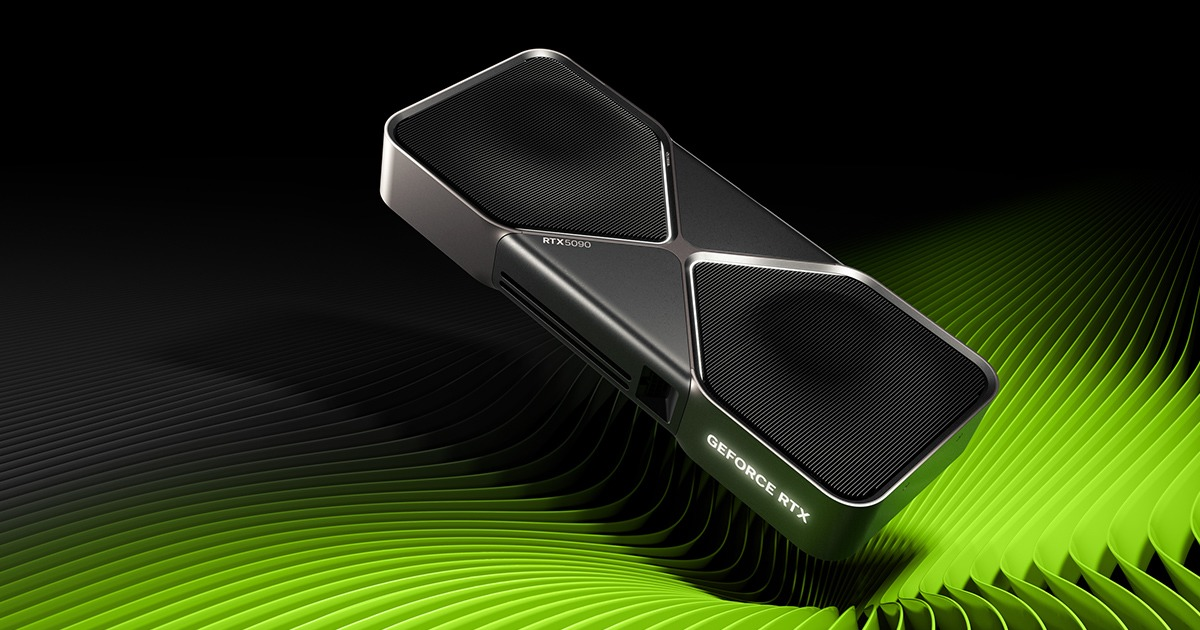
NVIDIA has reportedly canceled its planned GeForce RTX 5080 24 GB, abandoning a January 2027 launch as rising GDDR7 memory prices make the upgraded graphics card financially impractical. The decision would reverse earlier plans to replace the existing 16 GB model, potentially leaving PC gamers and local AI enthusiasts without a higher memory alternative in the RTX 5080 lineup.
According to Chinese hardware industry forum Board Channels, cited by VideoCardz, NVIDIA has informed its graphics card manufacturing partners that the planned 24 GB model will no longer launch in China during January 2027. The company reportedly provided no revised release schedule, suggesting the project has been suspended rather than simply postponed.
The main obstacle is the cost of higher capacity GDDR7 modules. The proposed RTX 5080 would replace the existing 8 × 2 GB memory configuration with 8 × 3 GB modules, increasing total VRAM capacity by 50% while retaining the same 256 bit memory interface. However, industry sources claim that 3 GB GDDR7 chips currently cost approximately 3 times as much as their 2 GB counterparts, making the upgraded model difficult to position at a competitive price.
| Specification | RTX 5080 16 GB | RTX 5080 24 GB |
|---|---|---|
| GPU Architecture | Blackwell | Blackwell, expected |
| CUDA Cores | 10,752 | No change reported |
| VRAM | 16 GB GDDR7 | 24 GB GDDR7 |
| Memory Configuration | 8 × 2 GB | 8 × 3 GB |
| Memory Interface | 256 bit | 256 bit, expected |
| Memory Bandwidth | 960 GB/s | Unconfirmed |
| Original Launch Price | $999 | Unannounced |
| Production Status | Existing retail model | January 2027 launch reportedly canceled |
The report also indicates NVIDIA will continue manufacturing the current RTX 5080 16 GB instead of discontinuing it as previously rumored. This contradicts earlier expectations of a Q1 2027 replacement, although the change follows reports that board partners had not received the necessary development kits by the end of October.
The situation also raises questions about NVIDIA's broader GeForce RTX 50 SUPER refresh. The proposed 24 GB RTX 5080 shares its rumored memory configuration with the previously discussed RTX 5080 SUPER, which has also reportedly faced delays because of expensive GDDR7 modules.
For PC gamers, the additional memory would have provided greater capacity for demanding 4K textures, ray tracing, and heavily modified games. Local AI developers could also have benefited from accommodating larger models and more complex workloads without relying on multiple GPUs or system memory offloading.
However, increasing VRAM capacity does not automatically improve gaming performance or memory bandwidth. Those improvements would depend on the final memory speeds, GPU specifications, and workload requirements.
NVIDIA has not officially announced the RTX 5080 24 GB or confirmed its cancellation. The reported decision currently concerns the planned Chinese market launch, and its implications for any potential international release remain unclear.
Canceling a graphics card primarily because its memory configuration has become too expensive illustrates a growing problem within the consumer GPU market. Gamers are increasingly competing with AI infrastructure customers for memory production, while manufacturers prioritize products that deliver higher margins.
The RTX 5080 launching with 16 GB of VRAM at $999 was already a questionable decision for a premium graphics card. A 24 GB refresh could have addressed some of its limitations, particularly for local AI, professional workloads, and long term gaming requirements.
However, charging substantially more simply to increase memory capacity would offer poor value. Consumers should not be forced to choose between insufficient VRAM and increasingly expensive flagship GPUs.
NVIDIA should prioritize affordable memory configurations and consistent consumer GPU availability rather than allowing rising component costs to eliminate meaningful upgrade options.
Would you pay significantly more for an RTX 5080 with 24 GB of VRAM, or should NVIDIA focus on making higher memory capacities standard without increasing graphics card prices?
