
NVIDIA Halves Asian Buyer List to Block AI Chip Diversion Into China
NVIDIA has reportedly removed more than half of its previously approved Asian customers from a new purchasing list as the company intensifies efforts to prevent advanced artificial intelligence processors from being diverted into China through overseas intermediaries.
According to the Financial Times, NVIDIA has introduced stricter compliance reviews across Singapore, Malaysia, and Japan. Customers must now pass additional checks before receiving access to advanced processors, particularly Blackwell systems restricted from reaching unlicensed Chinese companies. More than half of the businesses previously approved, including several emerging cloud providers, reportedly failed the initial review. Companies removed from the list may apply again after strengthening their compliance procedures.
The expanded screening process reportedly includes visits to customer data centers, contract verification, and interviews with end users to determine whether buyers operate legitimate infrastructure businesses. The United States Department of Commerce is also said to be providing oversight and policy support as Washington attempts to close international distribution routes used to bypass export controls. Neither NVIDIA nor the Commerce Department immediately confirmed the Financial Times report when contacted by Reuters.
The tighter controls follow several investigations into the alleged diversion of AI servers. In March, the United States Department of Justice charged 3 individuals associated with Super Micro Computer over an alleged operation that used fabricated records, staged equipment, and a pass through company to secretly direct controlled servers to customers in China. The charges were brought against the individuals rather than Super Micro itself, and all allegations remain subject to the legal process.
Taiwanese prosecutors later questioned Super Micro employees while investigating the alleged illegal export of servers containing NVIDIA processors. Reuters reported that authorities searched 12 locations, including the offices of Super Micro Taiwan, distributor Albatron Technology, and data center operator Chief Telecom. Super Micro disputed media descriptions of its offices being raided, stating that it voluntarily coordinated access to employee desks and electronic devices as part of its cooperation with investigators.
The reported customer review does not mean all NVIDIA AI processor sales involving China have stopped. The United States revised its semiconductor licensing policy in January 2026 to permit controlled H200 exports when applicants satisfy conditions covering supply availability, customer screening, and independent product testing. A Commerce Department official confirmed on July 14 that a small number of H200 processors had already been shipped to China, with ZTE and several other Chinese companies receiving purchasing approval.
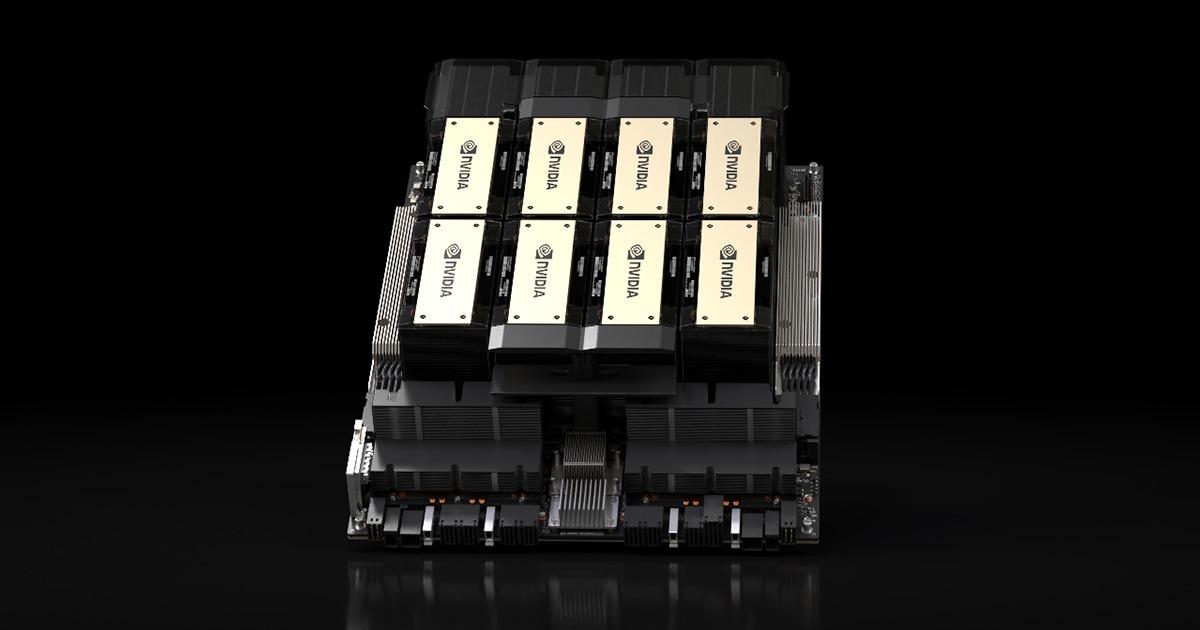
This also distinguishes the H200 from the H20. The H20 was developed as a restricted market accelerator intended to comply with earlier United States performance limits, while the H200 is a more powerful global Hopper product now available to selected Chinese customers only through government licenses and additional conditions.
China is reportedly considering limited approvals allowing major technology companies such as Alibaba, ByteDance, and DeepSeek to purchase fewer than 200,000 H200 processors, significantly below the volume those companies requested. Any broader adoption will depend on approvals from both governments, commercial pricing, and Beijing’s continued effort to prioritize domestic accelerators from companies such as Huawei.
NVIDIA has also developed optional location verification technology that allows data center operators to monitor deployed GPU fleets through software based telemetry. The company has rejected demands for hardware kill switches or hidden control mechanisms, arguing that deliberately embedded backdoors would create cybersecurity risks. NVIDIA’s restricted return to China through the licensed H200 program, where access remains constrained by government conditions, domestic competition, and the strategic tension between maintaining American technology leadership and limiting China’s advanced AI capabilities.
NVIDIA’s stricter customer screening shows that export control enforcement is moving beyond paperwork and into physical infrastructure verification. Visiting data centers, examining contracts, and interviewing end users makes it more difficult for shell companies or temporary cloud providers to disguise the final destination of advanced processors.
However, reducing the approved buyer list cannot completely eliminate diversion. AI servers move through complex international supply chains involving manufacturers, distributors, cloud operators, leasing companies, and resellers. Successful enforcement will require cooperation between NVIDIA, server manufacturers, regional authorities, and the United States government.
The strategy also creates a commercial risk. Excessively restrictive screening may push legitimate customers toward alternative suppliers while accelerating Chinese investment in domestic hardware and software. NVIDIA must therefore balance regulatory compliance with preserving the international CUDA ecosystem that remains one of its strongest competitive advantages.
Will NVIDIA’s stricter customer inspections meaningfully reduce AI chip diversion into China, or will unauthorized suppliers continue finding new routes?
