
NVIDIA, AMD and Intel Reportedly Commit $5 Billion to Taiwan's Chip Substrate Industry
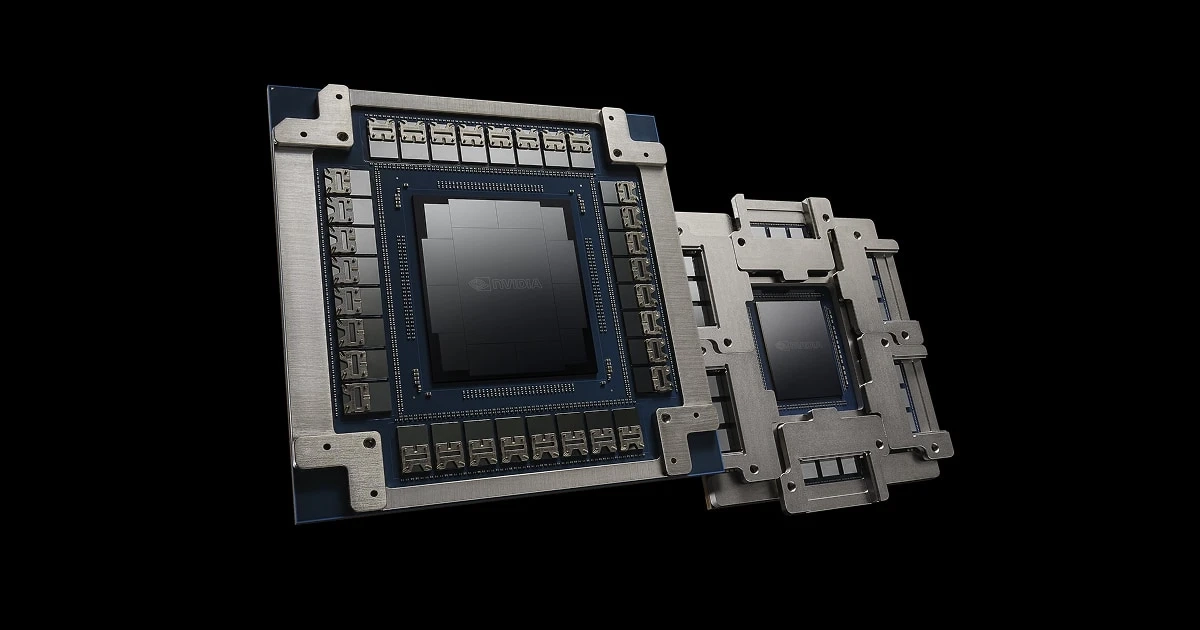
NVIDIA, AMD and Intel are reportedly committing approximately $5 billion to Taiwan's advanced semiconductor substrate industry as growing demand for AI accelerators and server processors creates another manufacturing bottleneck. According to Taiwan's Economic Daily News, the 3 semiconductor giants are securing long term production capacity through advance payments and supplier commitments, while Taiwan's leading substrate manufacturers prepare record investments totaling approximately NT$161.2 billion ($5 billion) to expand their factories.
The report, published on October 24, indicates that the companies have collectively provided more than NT$100 billion in advance payments to secure substrate capacity. Industry estimates place Intel's potential commitments near $3 billion, while AMD and NVIDIA are each believed to be investing approximately $1 billion. However, these individual allocations remain market speculation, and none of the companies has officially confirmed the reported amounts. The broader $5 billion figure should therefore not be interpreted as a verified total of completed payments.
The expansion primarily targets Ajinomoto Build up Film (ABF) substrates, essential components used to connect advanced semiconductor packages to circuit boards. As AI processors integrate larger computing dies, chiplets and High Bandwidth Memory (HBM), demand for increasingly complex substrates continues to rise. These components are particularly important for NVIDIA's AI accelerators, AMD's EPYC and Instinct platforms, and Intel's advanced server processors.
Taiwan's Major Substrate Manufacturers Expand Production
| Manufacturer | Reported Investment | Expansion Focus |
|---|---|---|
| Unimicron | NT$53.7 billion | 2026 capital expenditure for advanced substrates |
| Kinsus | NT$23.5 billion | Equipment expansion over 3 years |
| Kinsus Additional Budget | NT$19.6 billion | Additional advanced substrate capacity |
| Nan Ya PCB | NT$46.8 billion | New smart factory for large, multilayer substrates |
Figures represent reported company investment plans across different periods. They should not be added together as a single annual spending figure or treated as confirmed customer prepayments.
Unimicron has also acquired Bridgestone's former Hukou facility for approximately NT$10.08 billion, strengthening its future production footprint. Kinsus is shifting resources toward advanced ABF manufacturing, while Nan Ya PCB is investing in larger substrates designed for increasingly demanding semiconductor packages. The reported NT$161.2 billion industry expansion figure includes different factory and equipment commitments that are not directly comparable with annual capital expenditure.
The investments arrive as ABF material prices face potential increases of 30%, reflecting tight supply and extended delivery schedules. Industry research indicates that demand for advanced substrates could exceed available capacity through 2028, encouraging chip designers to secure production years in advance rather than relying on short term procurement.
AMD has already announced plans to invest more than $10 billion in Taiwan's AI supply chain, including semiconductor packaging, substrates and server manufacturing. Meanwhile, competition for advanced packaging capacity continues expanding beyond TSMC's CoWoS ecosystem, as chip manufacturers pursue additional production options for next generation AI systems.
For NVIDIA, AMD and Intel, securing substrate capacity is becoming as strategically important as obtaining advanced silicon wafers and HBM. Even when semiconductor fabrication capacity is available, insufficient packaging materials can prevent completed processors from reaching customers. However, expanding substrate factories requires lengthy equipment installation, process qualification and yield optimization, meaning the additional investment will not immediately eliminate supply constraints.
The reported $5 billion commitment illustrates how the AI infrastructure boom is transforming the semiconductor supply chain beyond GPUs and advanced manufacturing nodes. As processors become larger and incorporate more memory and chiplets, substrate availability is emerging as another critical factor determining production volume and delivery schedules.
For NVIDIA, AMD and Intel, committing capital to secure future manufacturing capacity is a practical strategy to reduce supply risks. For Taiwan's substrate manufacturers, the investments provide stronger demand visibility and support expansion into more advanced packaging technologies.
However, additional capacity will not necessarily translate into lower prices for consumers. With AI infrastructure absorbing substantial manufacturing resources, gaming GPUs, desktop processors and server hardware could continue facing indirect pricing pressure. The next major semiconductor bottleneck may no longer be the silicon itself, but the substrate connecting everything together.
Do you think the growing AI industry's demand for semiconductor substrates will eventually increase the cost of gaming GPUs and processors, or will these massive investments help stabilize hardware prices?
