
Framework Customer Pays $800 Extra for RAM Upgrade, Receives Laptop That Won't Boot
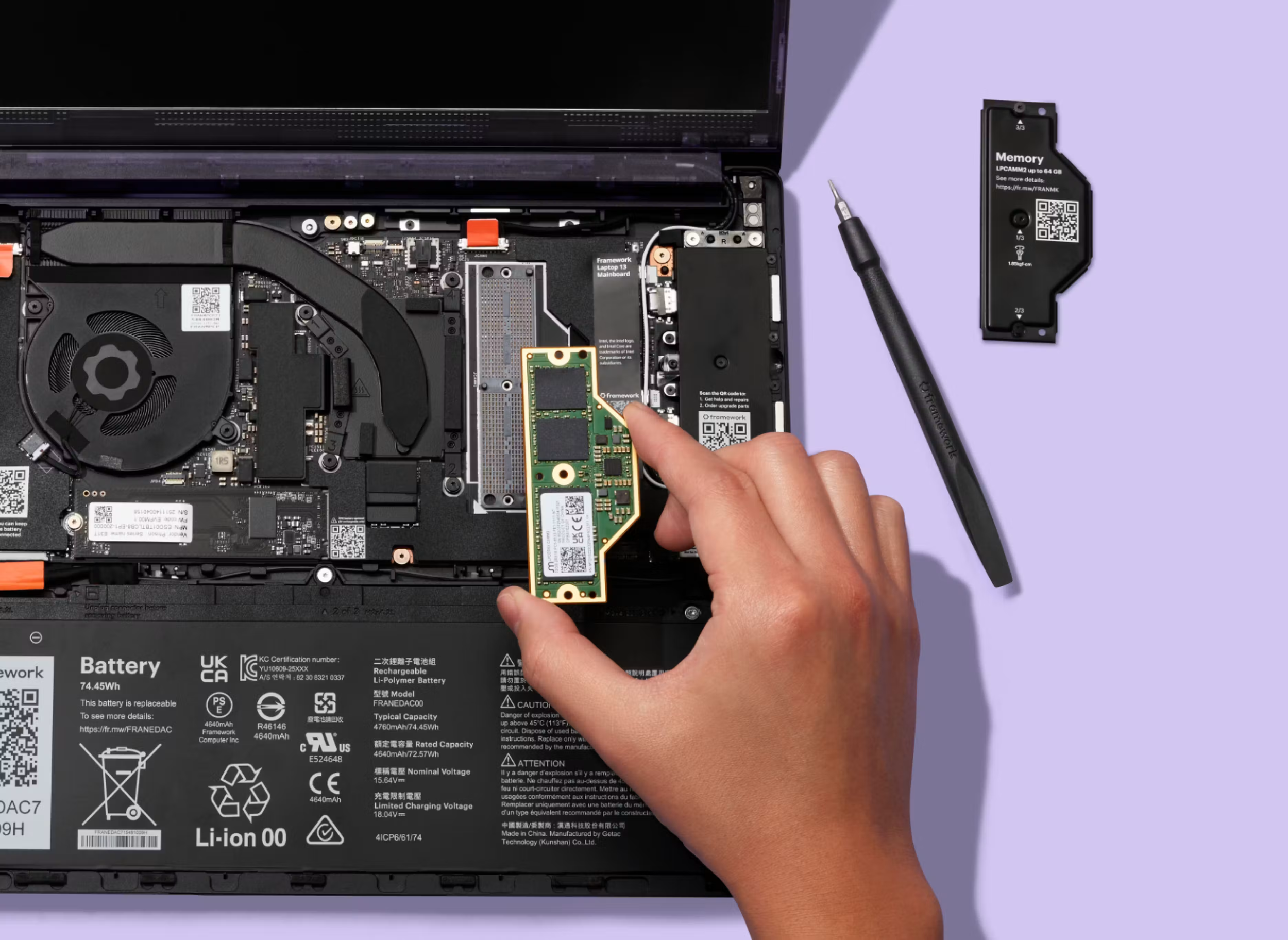
Framework is facing criticism after a customer reported paying an additional $800 to restore the original memory configuration of a Framework Laptop 13 Pro, only to receive a machine that could not boot due to an apparent hardware defect. The incident highlights growing concerns about memory pricing, preorder commitments and customer support as semiconductor shortages continue affecting PC manufacturers and consumers.
The situation was detailed by Reddit user JackTheGaffer, who explained that they had waited years to purchase a Framework laptop before finally placing a preorder for the Laptop 13 Pro DIY Edition. Initially expecting delivery after approximately 3 months, the customer received a notification that their preorder batch had been delayed by another month. Shortly afterward, Framework informed them that their original 32GB LPCAMM2 memory configuration had been downgraded to 16GB because of rising component costs.
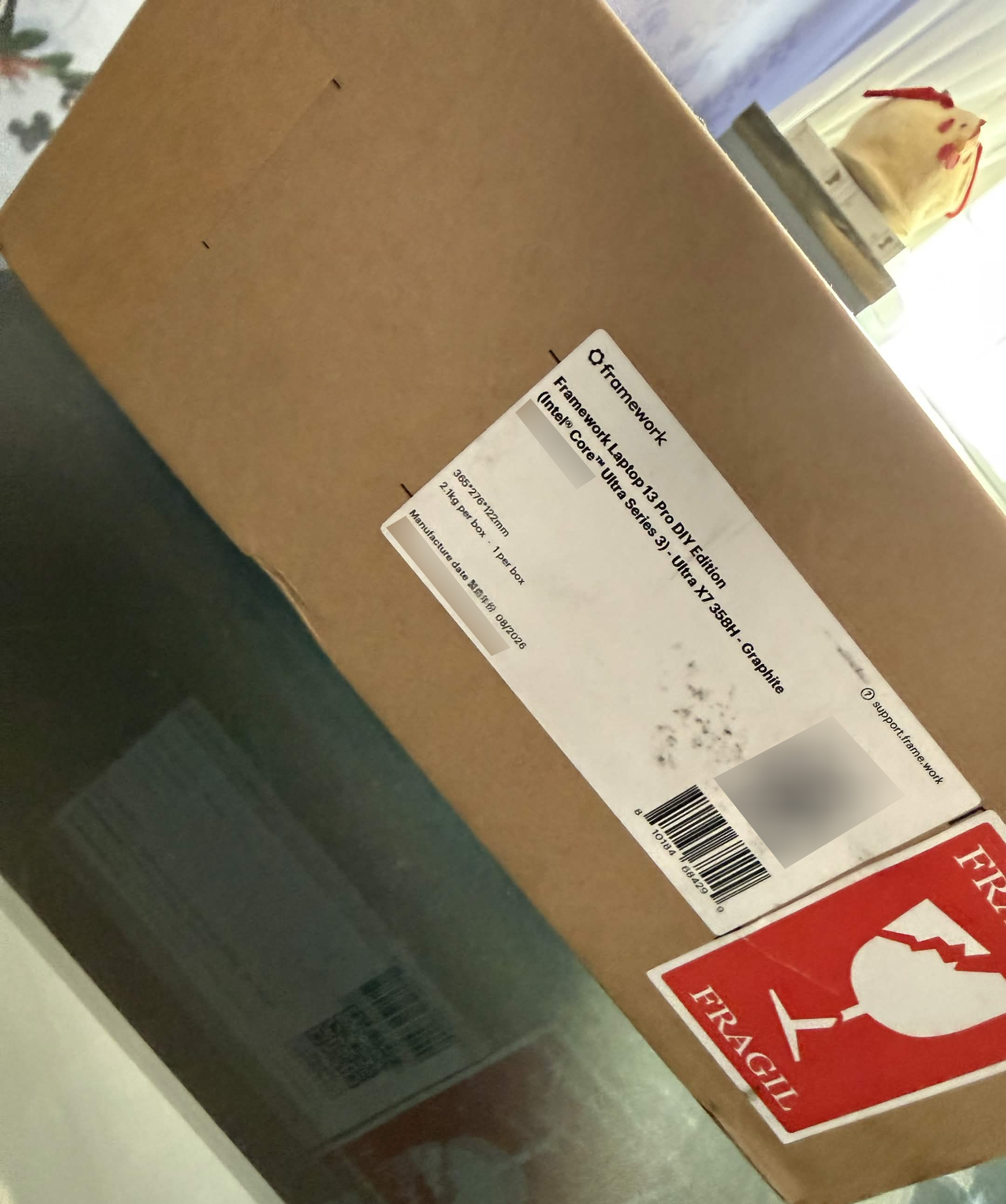
Rather than accepting the reduced memory capacity, the customer reportedly spent another $800 to restore the original 32GB configuration. However, after waiting approximately 4.5 months for delivery, the laptop failed to boot during its initial setup, displaying a "No RAM installed" error. Upon inspecting the system, the customer discovered a bent pin on the LPCAMM2 interposer, the component responsible for connecting the removable memory module to the motherboard.
The customer contacted Framework support, which reportedly agreed to arrange a replacement. However, after 11 days without a shipment notification, a follow up inquiry received a response explaining that the company was transitioning warehouse facilities and experiencing delays. The customer expressed continued support for Framework's repairability mission but questioned whether they could recommend its products after the experience.
The incident comes amid Framework's ongoing adjustments to memory and storage pricing. In July 2026, the manufacturer acknowledged that LPCAMM2 supplier costs had more than doubled, forcing it to revise certain existing preorder configurations. Affected 32GB orders were reduced to 16GB at the original 16GB module price, while some 64GB configurations were adjusted to 32GB. Framework explained that absorbing the full increase would create substantial financial risks for its business.
However, the company subsequently secured lower cost Micron LPCAMM2 modules and announced price reductions in September, including retroactive partial refunds for eligible customers who had paid higher memory prices. These adjustments were eventually extended to all remaining Laptop 13 Pro preorders, although the revised prices remained above the original launch baseline. It is unclear whether the customer involved in this incident received any pricing adjustment.
The case also reflects the wider impact of the ongoing DRAM shortage. As DDR5 prices continue increasing and suppliers reportedly cancel existing orders, manufacturers are facing increasingly unpredictable component costs. Framework's reliance on replaceable LPCAMM2 modules provides long term upgrade flexibility, but availability and pricing remain vulnerable to supply chain disruptions.
While the reported defective interposer appears to be an isolated customer incident rather than evidence of a widespread manufacturing problem, the combination of pricing changes, delayed delivery and slow replacement processing raises questions about how smaller hardware manufacturers manage customer expectations. Framework has built its reputation around repairability, modularity and sustainable computing, making reliable component availability and effective after sales support especially important to maintaining consumer confidence.
Framework's commitment to modular laptops and repairable hardware remains a valuable alternative to increasingly integrated notebook designs. However, this incident illustrates that repairability alone cannot guarantee a positive ownership experience. Customers also need predictable pricing, quality control and responsive warranty support.
The $800 additional charge to restore a previously selected 32GB configuration is particularly concerning from a consumer perspective, even considering the extraordinary volatility of the memory market. Framework has demonstrated transparency regarding supplier costs and has subsequently introduced refunds and price reductions, but changes to existing preorders can still weaken customer confidence.
More importantly, a premium laptop arriving with a hardware issue should receive prompt resolution. For Framework, long term success will depend not only on making hardware easy to repair, but also on ensuring customers receive the support and replacement components necessary to keep their devices operational.
Would you have paid an additional $800 to restore your original RAM configuration, or would you have canceled the preorder? And how much does customer support influence your decision when purchasing a premium laptop?
