
CXMT Rejects Apple's DRAM Discount Demands as China Prioritizes Memory Independence
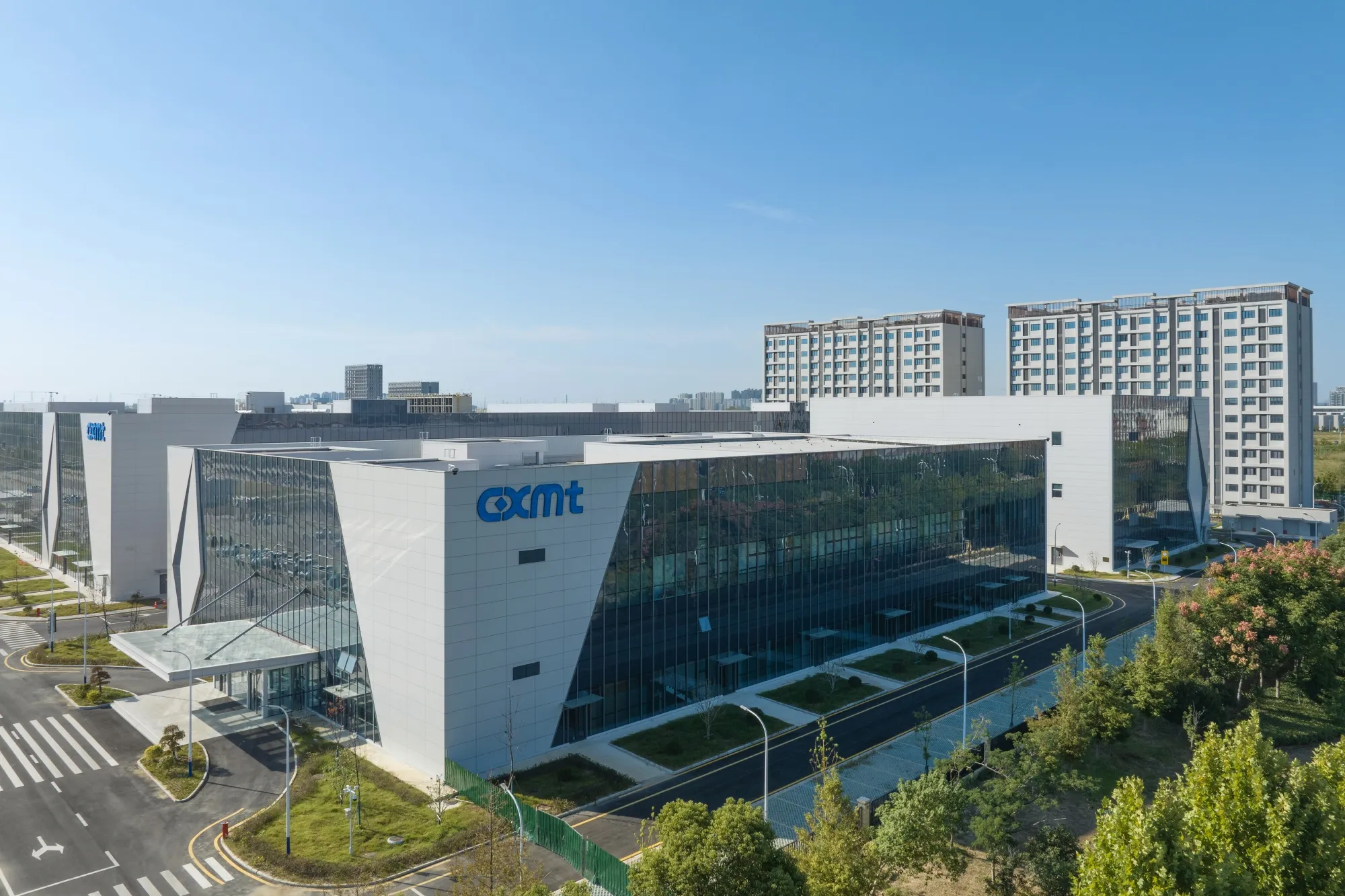
Chinese memory manufacturer ChangXin Memory Technologies (CXMT) is reportedly refusing discounted DRAM pricing for Apple and limiting supply to overseas customers as it prioritizes China's growing demand for domestically manufactured memory. The strategy reflects a significant shift in the global semiconductor industry, where China's largest DRAM producer is increasingly competing with Samsung, SK hynix and Micron without relying on aggressive pricing to attract international customers.
According to an industry investigation published on October 25, CXMT is concentrating approximately 90% of its production on Chinese customers, including Huawei, Xiaomi and Lenovo. Strong domestic demand has given the manufacturer greater negotiating power, allowing it to maintain prices comparable to established competitors rather than offering substantial discounts.
Apple reportedly approached CXMT seeking competitively priced LPDDR5X memory for its devices, hoping to diversify procurement as global DRAM supply remains constrained. However, CXMT reportedly quoted prices comparable to Samsung, SK hynix and Micron, eliminating the expected cost advantage. The disagreement concerns pricing rather than a confirmed permanent rejection of Apple as a potential customer.
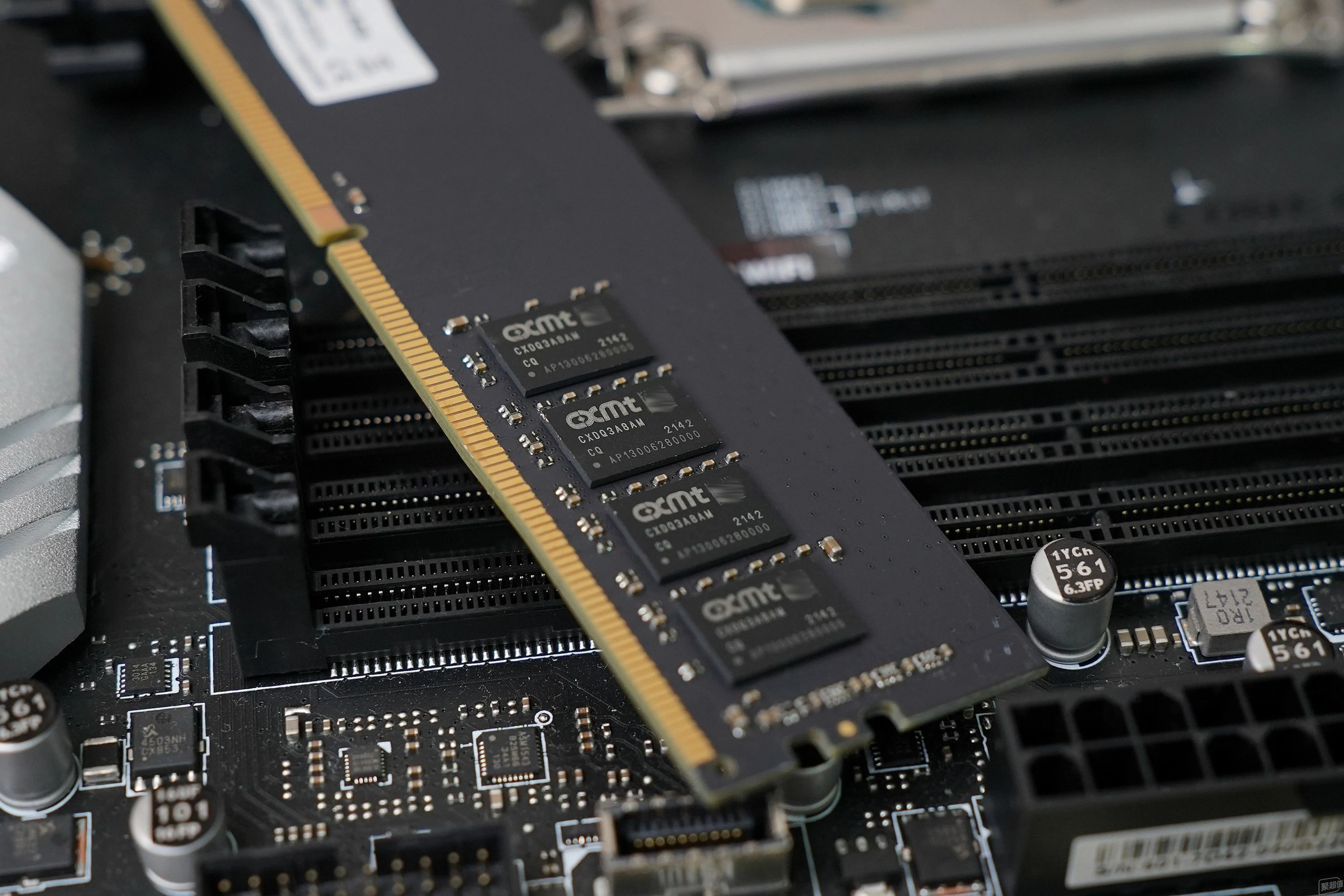
A Taiwanese server manufacturer also revealed that CXMT declined an inquiry for DDR5 memory. Although the customer could not determine whether the refusal involved government policy or another factor, industry analysts believe CXMT's existing domestic commitments leave limited capacity for additional international orders.
CXMT Production and Market Outlook
| Category | Reported Position |
|---|---|
| Primary Customers | Huawei, Xiaomi, Lenovo and other Chinese manufacturers |
| Domestic Supply Allocation | Approximately 90% |
| Apple DRAM Negotiations | Discount request reportedly declined |
| Taiwanese Server Customer | DDR5 supply inquiry reportedly rejected |
| Monthly Wafer Capacity by Late 2026 | Approximately 300,000 |
| Projected Monthly Capacity in 2027 | Approximately 360,000 |
| HBM Technology | Estimated 2 generations behind leading suppliers |
Production figures are industry estimates rather than confirmed wafer shipments. Capacity does not necessarily represent commercially usable output.
Semiconductor analyst Wu Chin-jung, former general manager of Microdrive Technology, believes CXMT's priority is establishing China's DRAM self sufficiency before pursuing aggressive international expansion. Yole Group Asia Pacific representative Huang Mao-yuan similarly estimates that satisfying domestic memory requirements could remain a major challenge for the next 10 years.
The strategy comes as CXMT continues expanding production capacity and strengthening its pricing position against Samsung. Rather than flooding international markets with inexpensive chips, the manufacturer is focusing on long term Chinese demand from smartphones, PCs, servers and artificial intelligence infrastructure.
However, significant technological challenges remain. While CXMT has made progress in DDR5 and mobile DRAM, high bandwidth memory continues to represent a major weakness. Its HBM development reportedly trails Samsung, SK hynix and Micron by at least 2 generations, with manufacturing yields and advanced packaging difficulties limiting commercial output.
United States export restrictions further complicate CXMT's expansion by limiting access to advanced EUV lithography equipment. The company is therefore pursuing alternative manufacturing techniques, including its upcoming 4F² DDR5 architecture, to improve memory density and compete more effectively with established suppliers.
For the global memory industry, CXMT's strategy could have substantial implications. Its growing manufacturing capacity may eventually increase competition, but prioritizing Chinese customers means that international manufacturers and PC consumers should not expect significant near term relief from elevated DRAM prices.
CXMT's decision to maintain pricing comparable to Samsung, SK hynix and Micron demonstrates that Chinese DRAM has evolved beyond its previous position as a lower cost alternative. Strong domestic demand, limited global supply and expanding manufacturing capabilities are allowing CXMT to prioritize strategic customers without competing aggressively on price.
However, production scale alone will not guarantee technological independence. CXMT must still improve advanced DRAM yields, memory efficiency, server qualification and HBM manufacturing before it can fully challenge established suppliers.
For the broader PC industry, the implications are significant. Even with China's aggressive capacity expansion, additional DRAM production may not immediately translate into cheaper DDR5 modules or improved availability outside China. CXMT could become a major global competitor while remaining primarily focused on supporting its domestic semiconductor ecosystem.
Do you think CXMT's decision to prioritize China over international customers will strengthen its long term competitiveness, or should the company expand globally to challenge Samsung, SK hynix and Micron more aggressively?
