
MSI EdgeMesa N AI+ Gets Full Specs With RTX Spark N1X and 128 GB Unified Memory
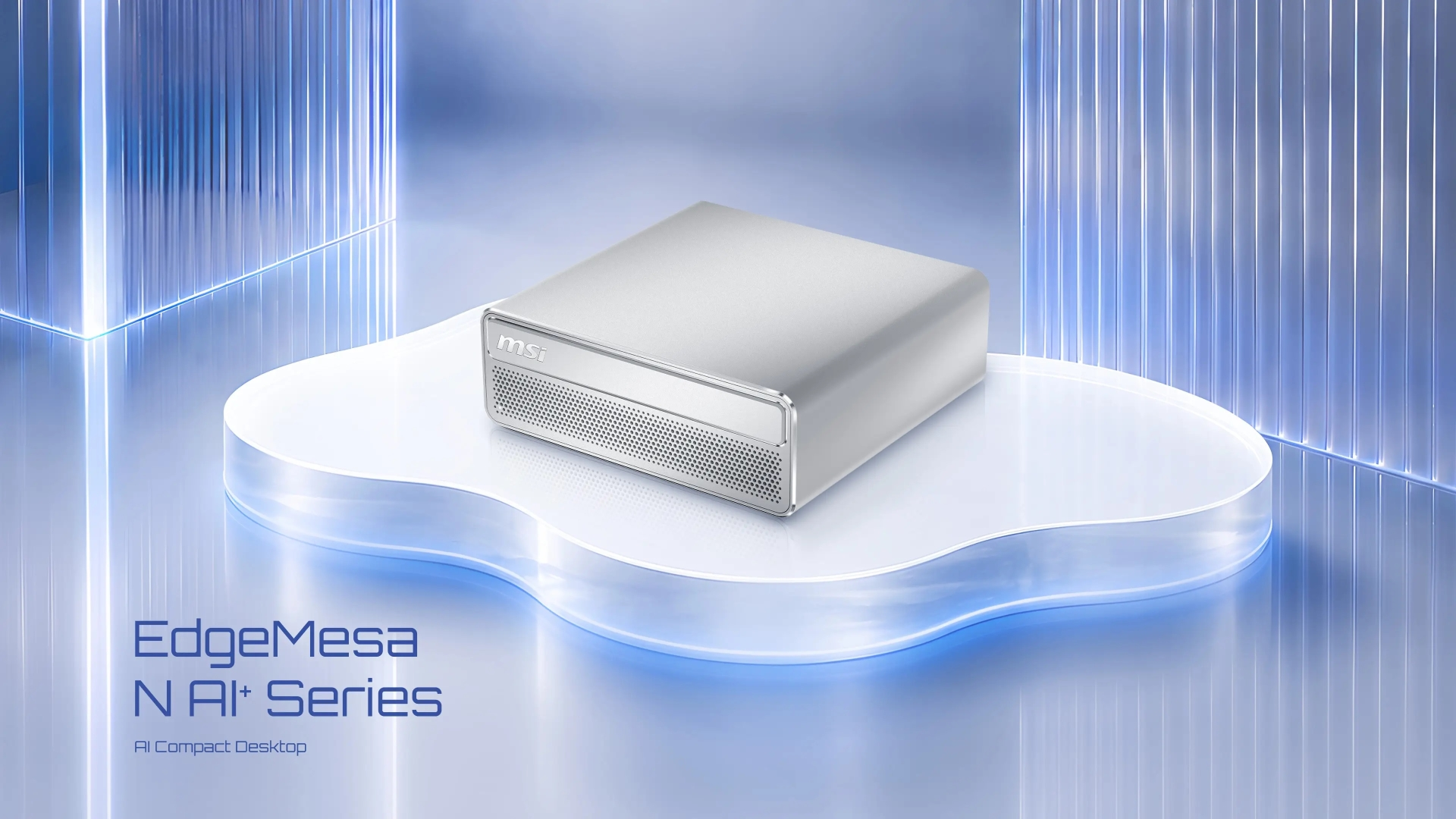
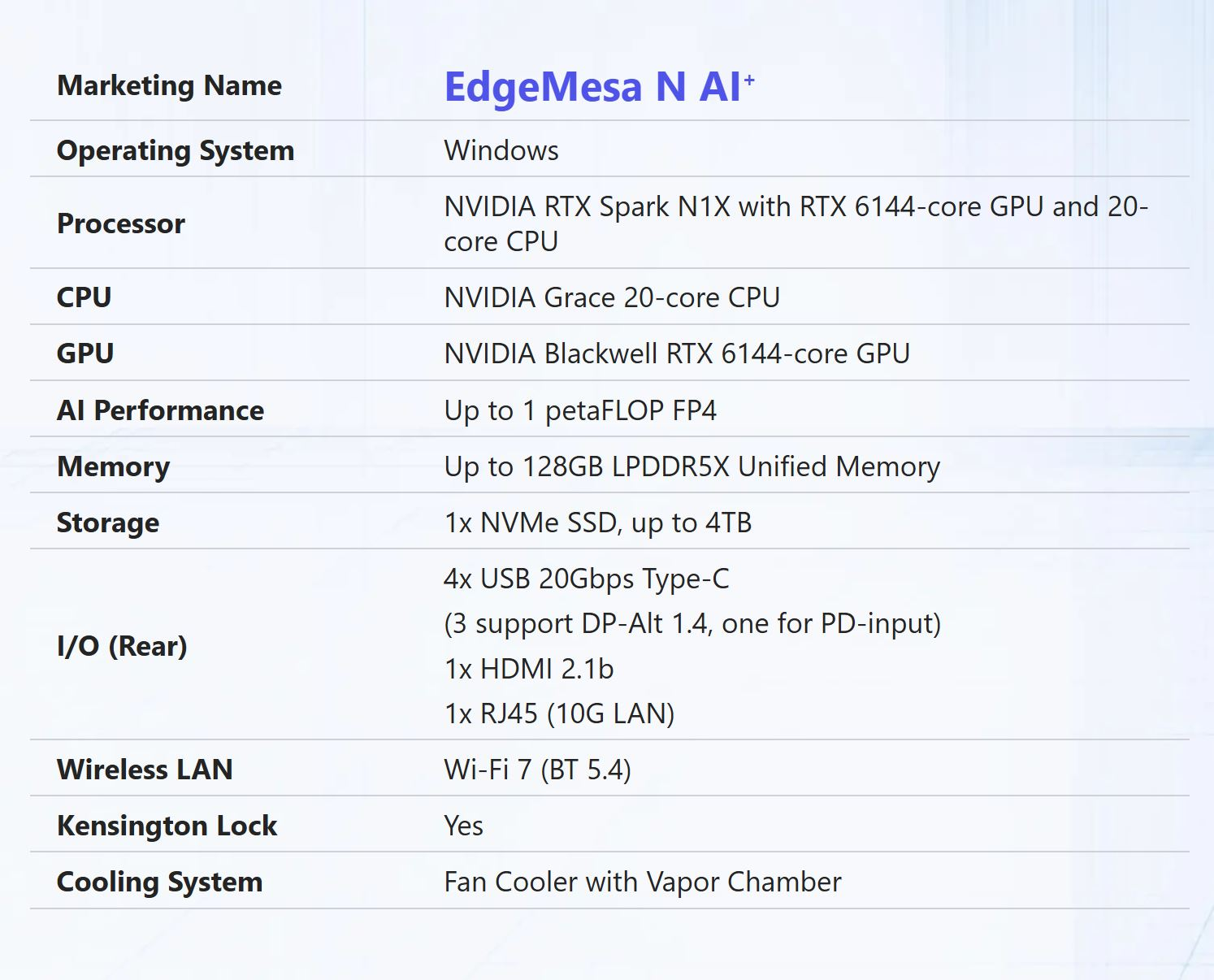
MSI has published full specifications for its EdgeMesa N AI+, providing a clearer look at the compact Windows system built around NVIDIA's upcoming RTX Spark platform. The mini PC was originally introduced at COMPUTEX 2026, but its updated product page now confirms the higher end N1X configuration with a 20 core NVIDIA Grace CPU, Blackwell RTX graphics, and up to 128 GB of unified LPDDR5X memory. MSI is positioning the machine primarily around local AI development, generative workloads, coding, vision applications, and content creation rather than treating it as another conventional mini gaming PC.
The EdgeMesa N AI+ uses NVIDIA's RTX Spark N1X with a 6144 core Blackwell RTX GPU and is rated for up to 1 petaFLOP of FP4 AI performance. The unified memory architecture is arguably the more interesting part of the design, allowing the CPU and GPU to access a pool of up to 128 GB rather than dividing system RAM and graphics memory into separate capacities. That makes the platform particularly relevant for local models and other memory intensive workloads that can quickly exceed the VRAM available on conventional consumer graphics cards. Storage reaches up to 4 TB through a single NVMe SSD slot.
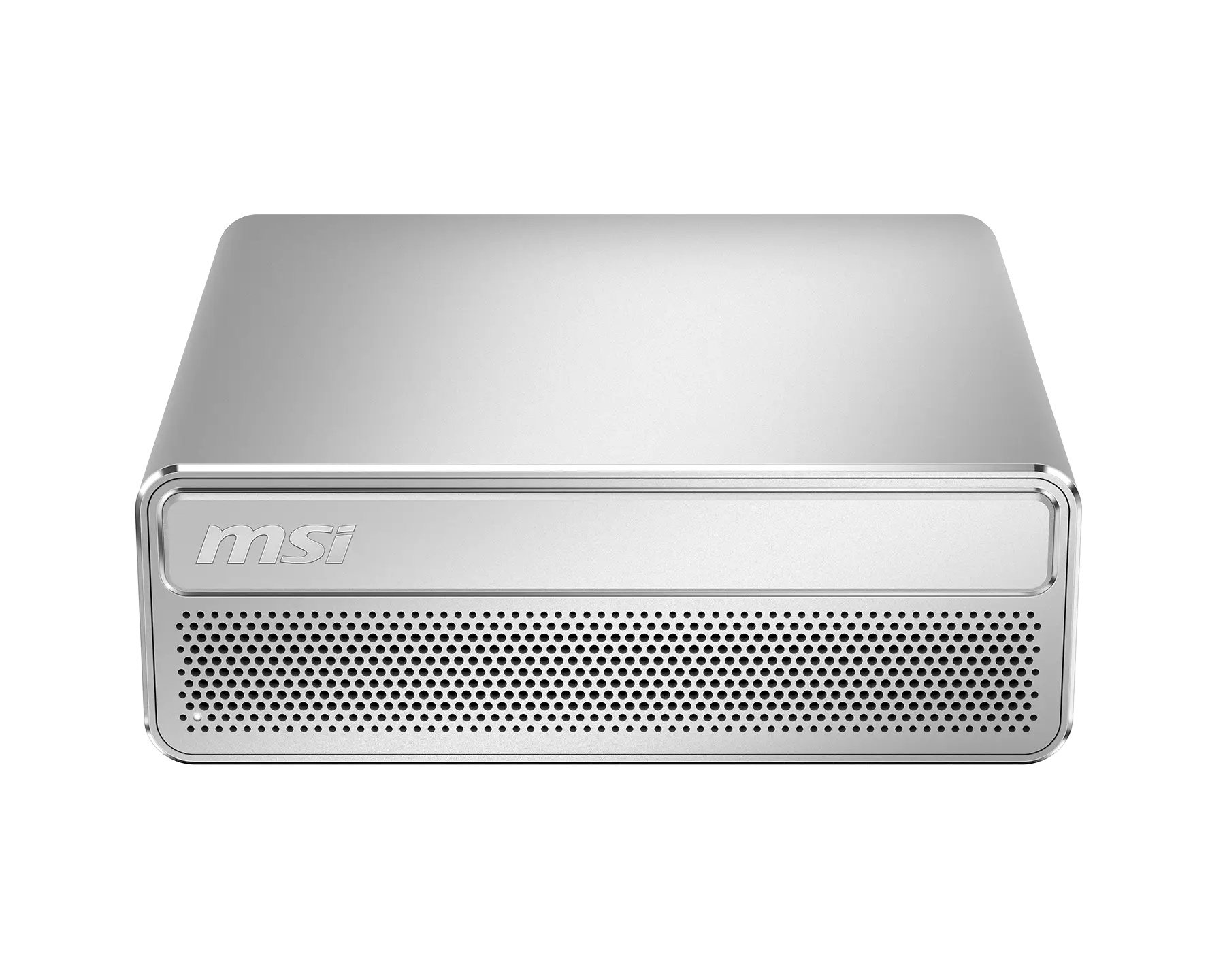
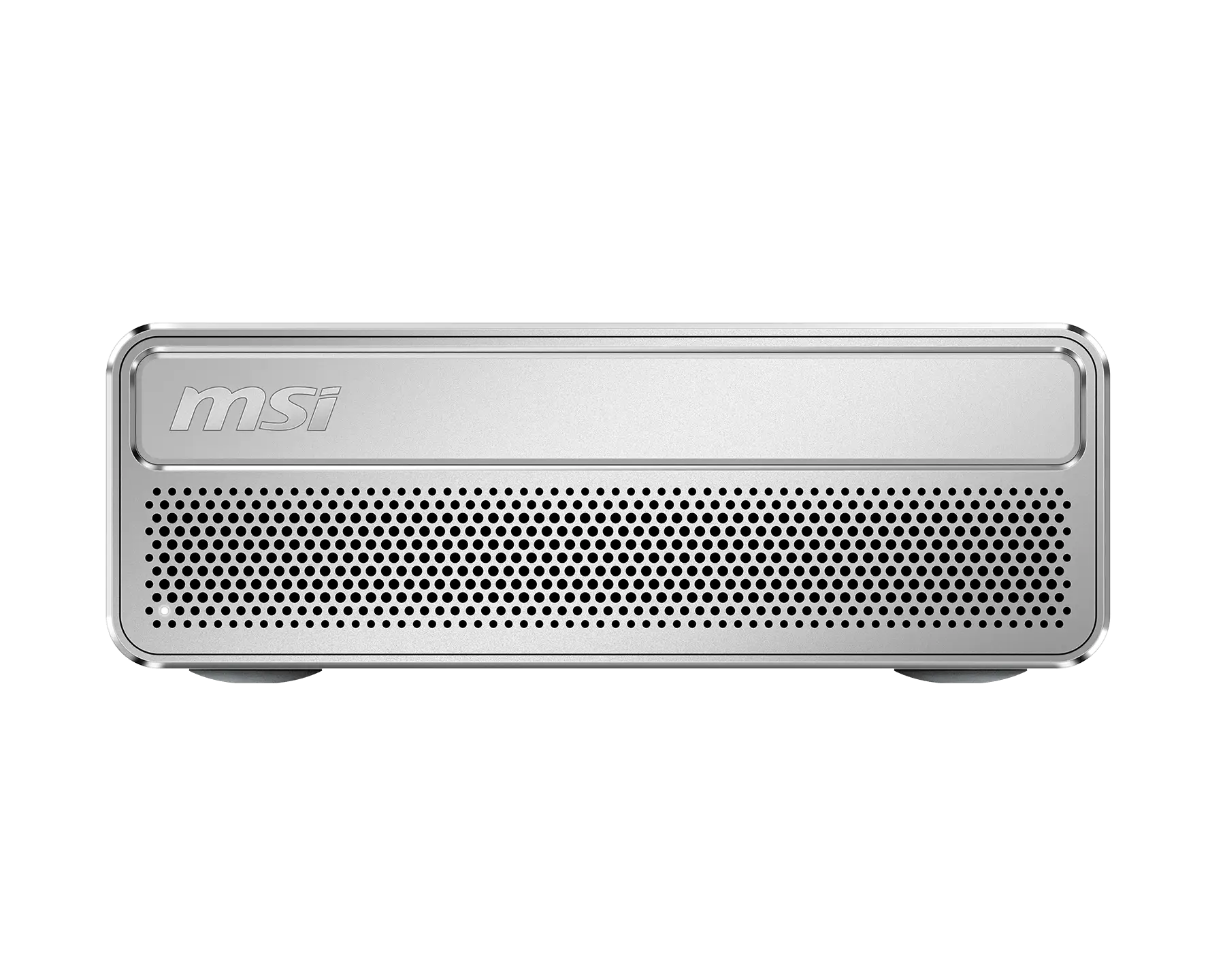
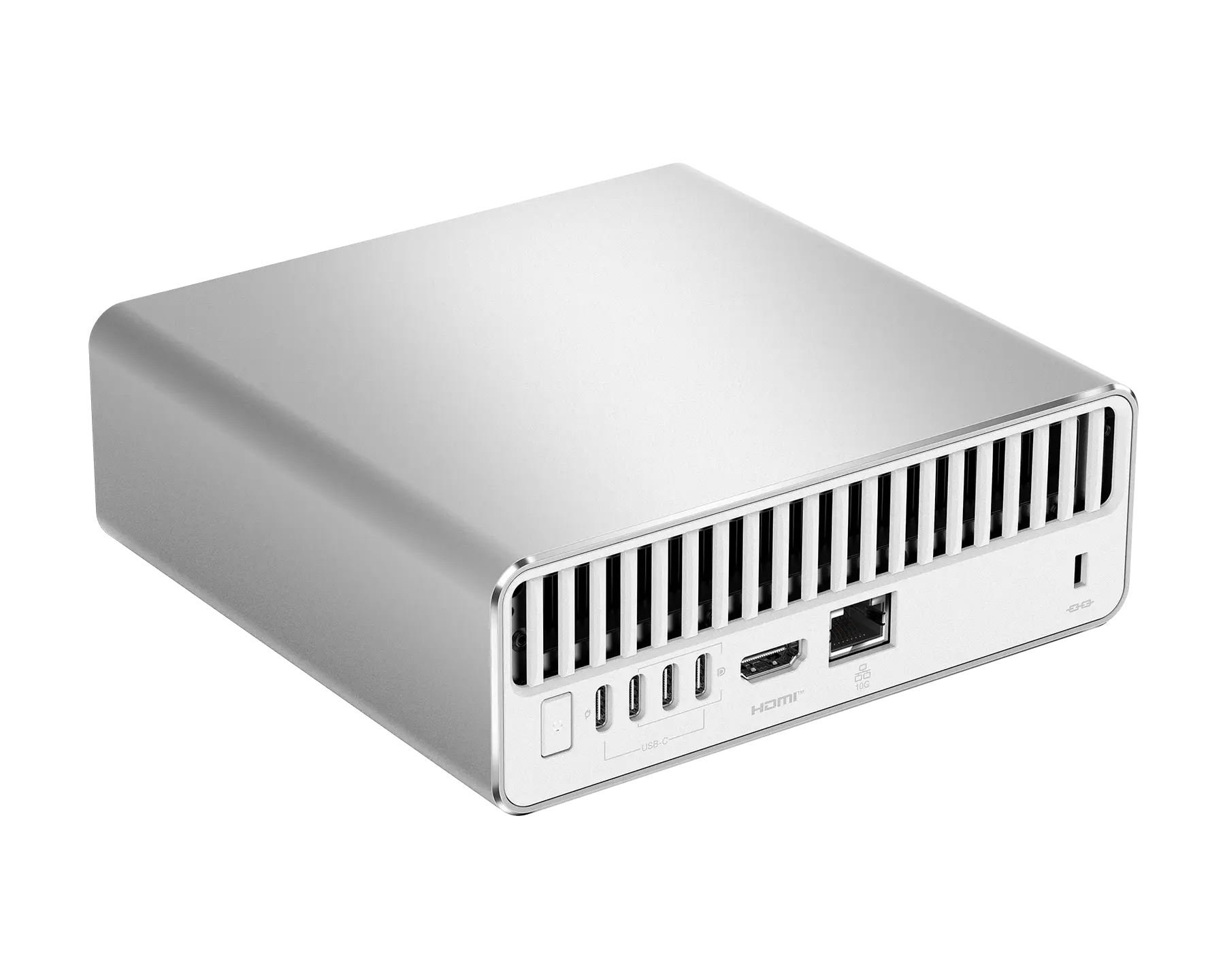
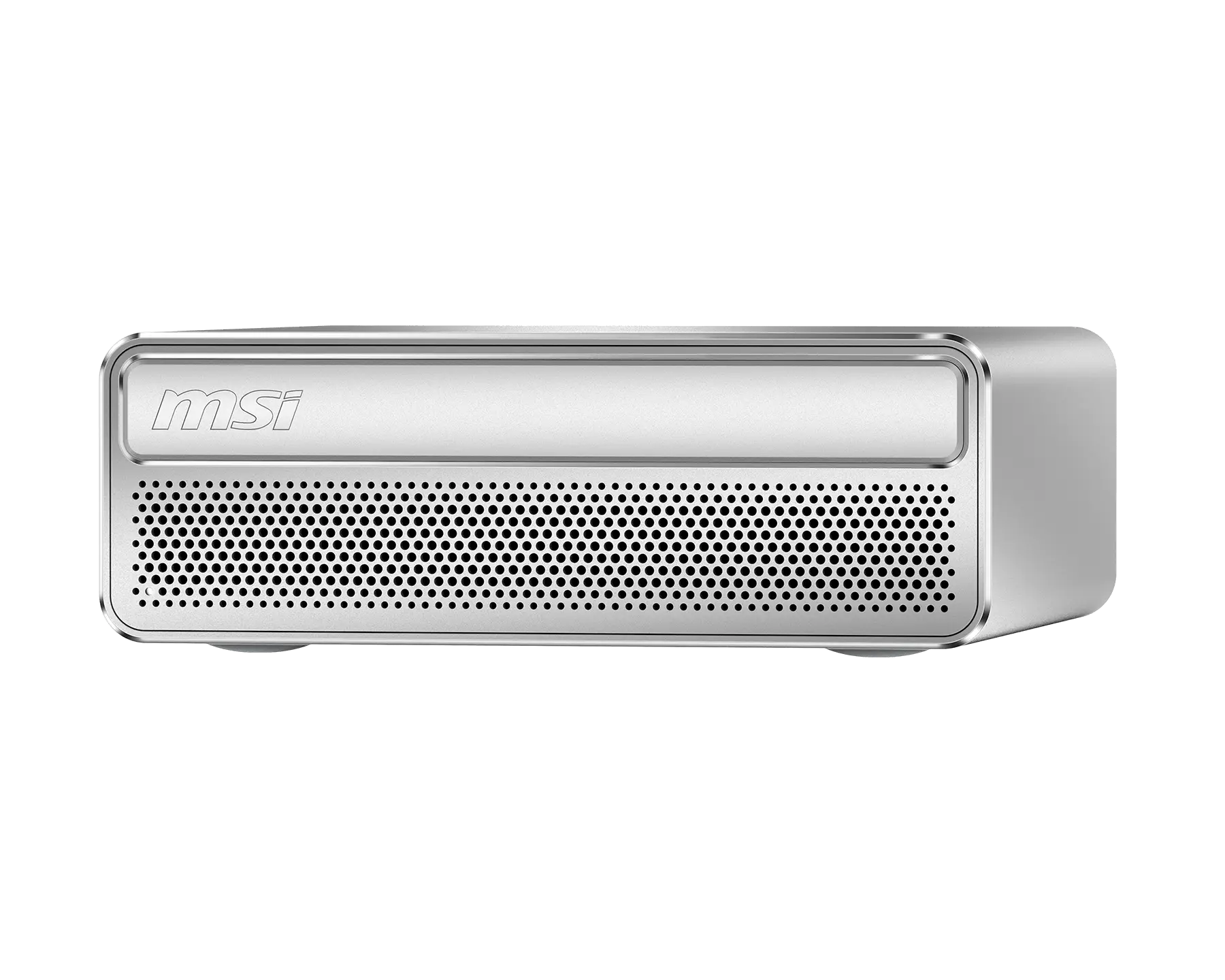
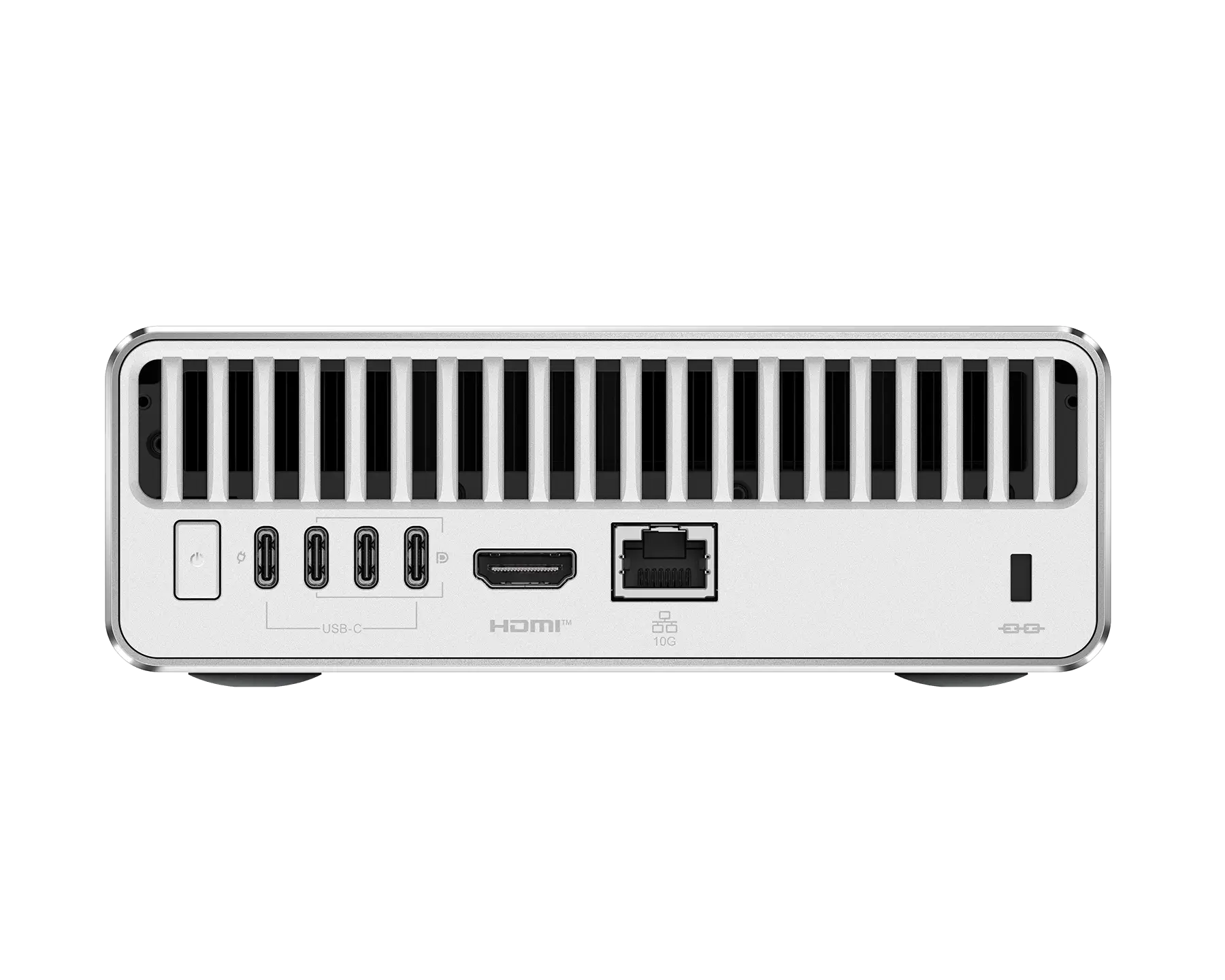
Connectivity is equally focused on workstation and edge AI use. MSI provides 4 USB Type C ports running at up to 20 Gbps, with 3 supporting DisplayPort 1.4 Alt Mode and another handling power input. HDMI 2.1b, 10G Ethernet, Wi Fi 7, and Bluetooth 5.4 are also included. Cooling is handled by a fan and vapor chamber rather than the passive approach used by some compact AI systems, giving MSI additional thermal headroom for sustained CPU, GPU, and inference workloads.
The EdgeMesa arrives as NVIDIA prepares to bring RTX Spark systems to market in October. the NVIDIA PAIR can connect RTX Spark machines with existing RTX PCs for local AI workloads, while ASUS and MSI have already reported strong early demand for N1X hardware. NVIDIA's own specifications position the desktop N1X at the top of the RTX Spark family, combining the 20 core Grace CPU and 6144 core Blackwell GPU with up to 128 GB of unified memory and the broader CUDA and RTX software stack.
Software remains one of the most important parts of the platform. RTX Spark uses Windows 11 on Arm rather than the traditional x86 architecture found across most gaming and workstation PCs. NVIDIA has already introduced native Windows on Arm drivers and CUDA 13.4 support, something we previously see as RTX Spark received its first native Windows on Arm development drivers. MSI specifically lists AI agents, RAG, coding assistants, vision AI, voice AI, and knowledge assistants among its intended applications, but actual software compatibility will still depend on how quickly developers bring native or well optimized Arm versions of their applications to Windows.
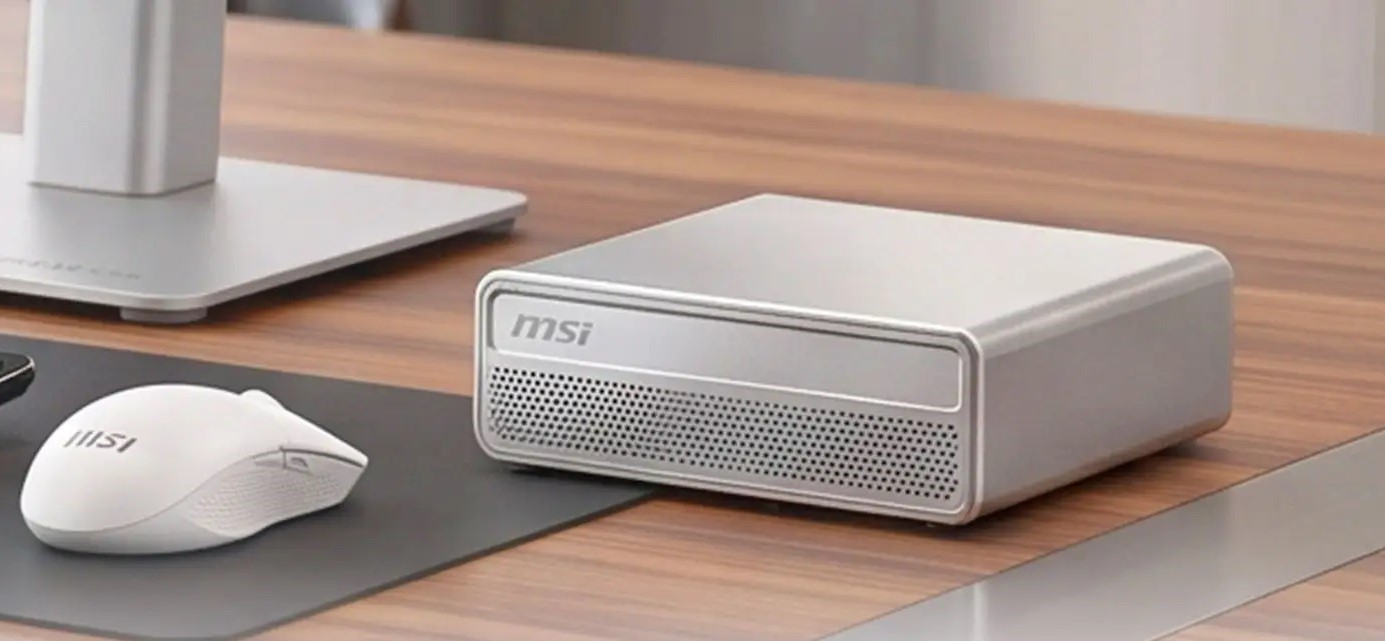
MSI has not yet announced final pricing or a specific retail date for the EdgeMesa N AI+. With RTX Spark systems scheduled to begin arriving in October, those details should become increasingly important as buyers compare compact N1X systems against conventional RTX workstations, gaming PCs, and dedicated local AI hardware.
The EdgeMesa N AI+ is interesting less because of its raw 1 petaFLOP figure and more because of the 128 GB unified memory configuration. Local AI workloads increasingly run into memory capacity before compute becomes the limiting factor, and giving the Blackwell GPU access to a much larger shared pool could make this type of compact system useful for models that would normally require a workstation GPU with considerably more expensive dedicated VRAM.
The tradeoff is that RTX Spark is still a new Windows on Arm platform. CUDA support gives NVIDIA a strong starting point, but the value of machines such as the EdgeMesa will depend heavily on native application support, driver maturity, and how well existing workflows move away from x86. Pricing will matter just as much. If N1X systems approach high end workstation territory, buyers will expect the unified memory advantage to translate into clear real world benefits rather than simply impressive specifications.
Would 128 GB of unified memory make an RTX Spark mini PC useful for your local AI workflow, or would you still prefer a conventional desktop with a discrete RTX GPU?
