
NVIDIA RTX Spark Receives First Native Windows on Arm Drivers Ahead of Fall Launch
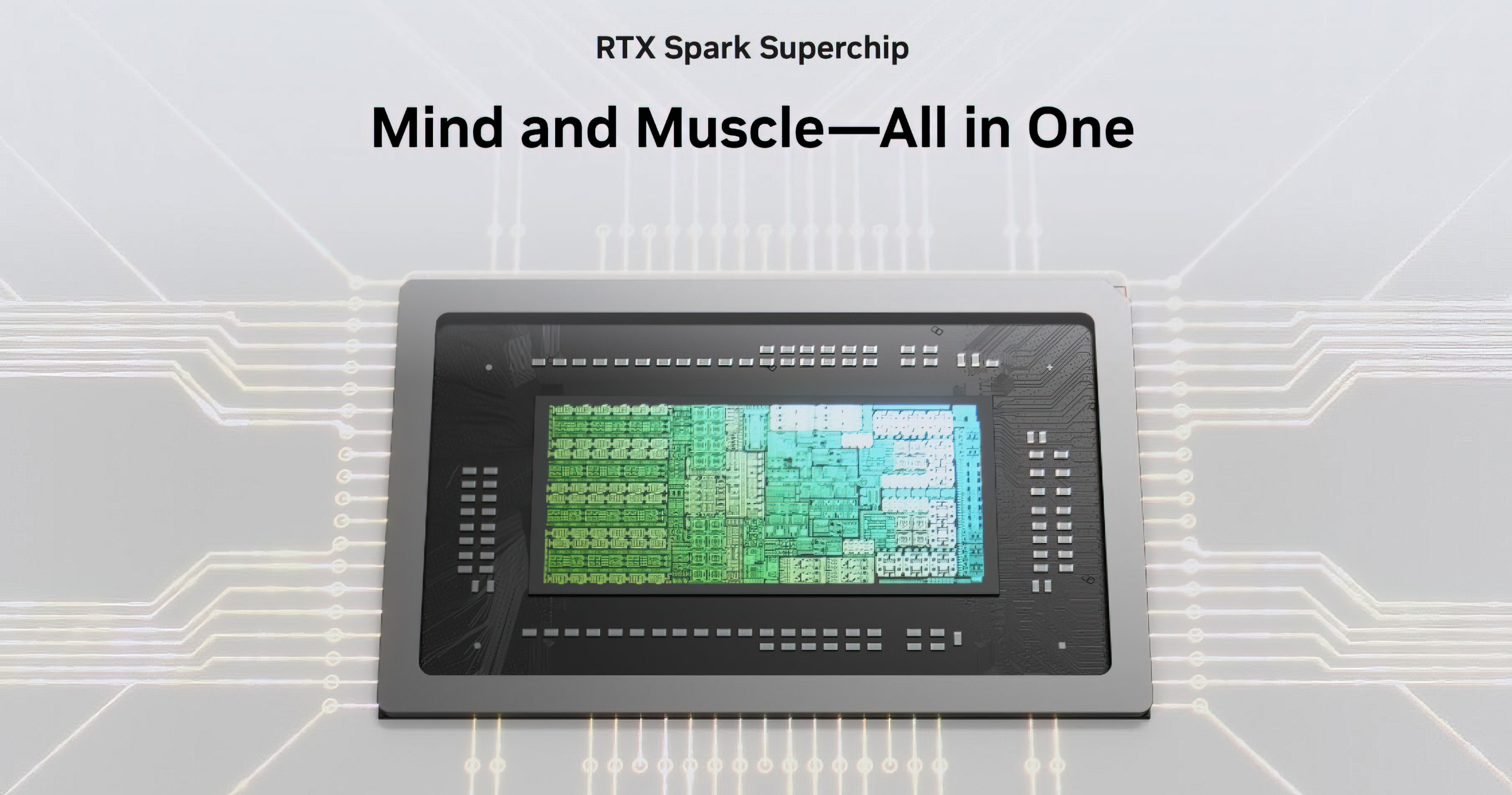
NVIDIA is accelerating preparations for the arrival of RTX Spark computers by releasing the platform’s first developer preview driver and enabling native Windows on Arm development through CUDA 13.4. The software milestone gives developers several months to begin adapting applications, artificial intelligence tools, creative software, and games before RTX Spark systems enter the market in fall 2026.
According to the initial software package begins with NVIDIA Developer Driver 616.00, an Arm64 driver currently intended for development environments such as the Microsoft Surface RTX Spark Dev Box. The compact computer combines an NVIDIA Blackwell RTX GPU with a Grace CPU and up to 128 GB of unified memory, allowing the CPU and GPU to access the same memory pool. NVIDIA lists configurations with up to 6,144 CUDA cores, a 20 core Grace CPU, and 1 petaflop of FP4 artificial intelligence performance.
Microsoft positions the Surface RTX Spark Dev Box as a local artificial intelligence development system designed for model optimization, inference, fine tuning, and sustained agent workloads. Its aluminum enclosure also functions as a heatsink, while Windows 11 Pro arrives configured with WSL 2 GPU access, CUDA support, Visual Studio Code, GitHub Copilot, Git, Python, Node.js, and PowerShell 7. Microsoft claims the system can run models containing more than 120 billion parameters locally, depending on workload configuration and model precision.
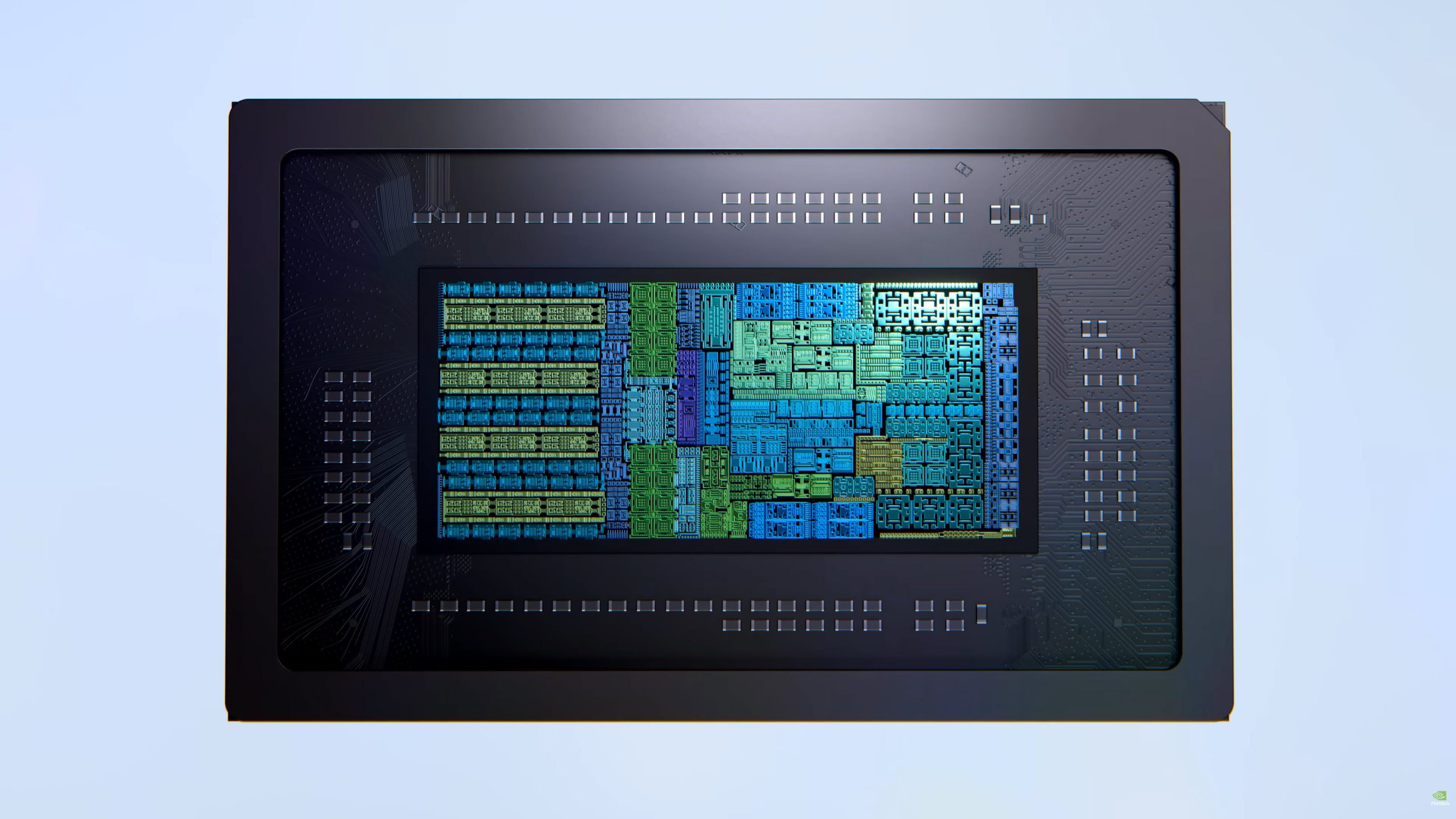
The CUDA 13.4 Developer Preview introduces compiler and build system support for Windows Arm64 targets. Developers can build applications directly on compatible Windows on Arm systems or cross compile Arm64 CUDA applications through the Windows x86 64 toolkit. Starting with CUDA 13.4, the RTX Spark driver is distributed separately through NVIDIA Developer Driver releases beginning with the R616 branch rather than being bundled inside the toolkit.
NVIDIA’s developer porting guide recommends reviewing application dependencies for Arm64 compatibility, selecting between Arm64 and Arm64EC strategies, testing installation and update processes, and validating every NVIDIA or CUDA software path used by the application. Developers do not need RTX Spark hardware to begin this work, since initial builds can be created and tested using existing Windows on Arm development systems before final validation begins on retail hardware.
The preview still contains several known limitations. CUDA transfers using pageable host memory may deliver reduced performance, with NVIDIA recommending page locked memory through functions such as cudaMallocHost, cudaHostAlloc, or cudaHostRegister. The integrated display may also remain blank for approximately 2 minutes during driver installation, although it should recover automatically. NVIDIA is additionally investigating GPU timeouts and possible system instability during some PyTorch development workflows, while Nsight Copilot remains unavailable on Windows Arm64 during this preview phase.
RTX Spark represents NVIDIA’s first major attempt to bring its Grace and Blackwell technologies into mainstream Windows laptops and compact computers. The platform may use modified Cortex X925 CPU cores, while NVIDIA has also started building gaming support through partnerships such as SEGA and Virtua Fighter Crossroads. These developments suggest NVIDIA is building RTX Spark as more than an artificial intelligence development platform, with gaming, creation, and general Windows computing forming important parts of the broader ecosystem.
The first driver release is important, but software compatibility will determine whether RTX Spark can become a genuine Windows platform rather than a specialized artificial intelligence workstation. NVIDIA already brings a powerful CUDA ecosystem, strong graphics technology, and significant developer influence. The challenge will be delivering reliable Arm64 applications, competitive gaming compatibility, stable drivers, and performance that justifies moving away from established x86 systems. Early engineering benchmarks should therefore remain secondary until retail hardware, mature software, and final power configurations can be tested together.
Could NVIDIA RTX Spark become a serious alternative to traditional x86 gaming and creator PCs, or will Windows on Arm compatibility remain its biggest obstacle?
