
NVIDIA RTX Spark Die Analysis Shows Altered Cortex X925 Cores With Dimensity 9400 and Dimensity 9500 DNA
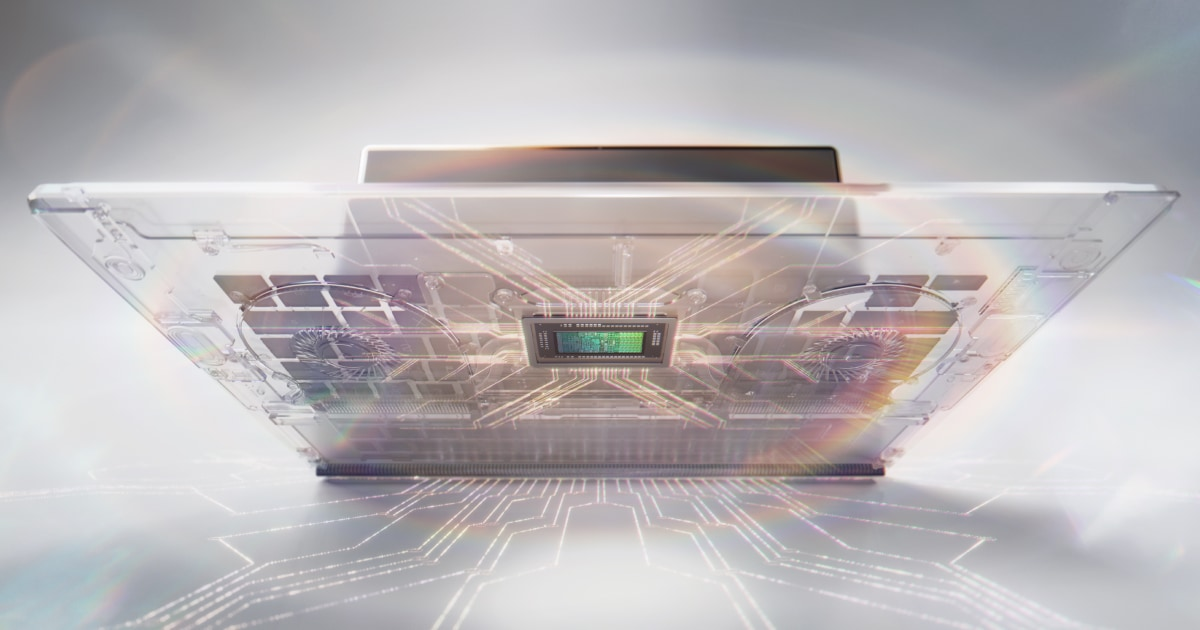
NVIDIA’s RTX Spark continues to draw attention as analysts dig deeper into how the chip is built, especially around its ARM CPU configuration. One of the main criticisms surrounding RTX Spark has been its use of CPU cores associated with MediaTek’s Dimensity 9400, a chipset that will be 2 generations old by October. On paper, that raised questions about whether the 20 core CPU could truly keep up with modern PC class workloads.
However, a new die analysis suggests NVIDIA did not simply copy the Dimensity 9400 design directly. Instead, the RTX Spark appears to use altered Cortex X925 cores that combine characteristics from both the Dimensity 9400 and Dimensity 9500, with the goal of improving sustained performance for demanding PC related tasks.
According to analysis from Geekerwan, the RTX Spark’s Cortex X925 CPU cores are smaller than the ones found in MediaTek’s previous generation silicon. That detail alone points to a modified layout. More interestingly, the cores reportedly adopt a power rail design similar to the Dimensity 9500’s C1 Ultra, which could help maintain higher CPU frequencies under heavier workloads.
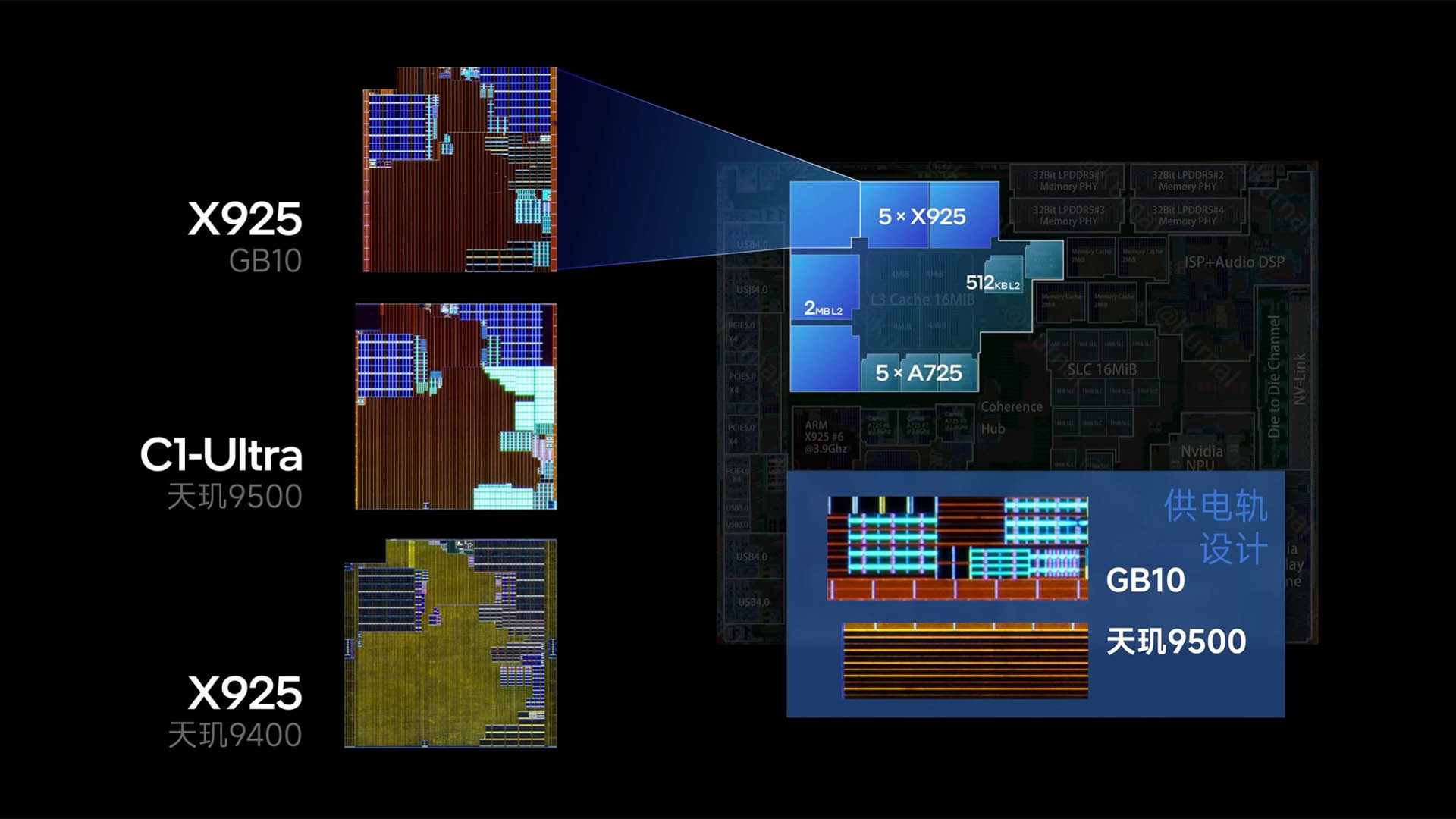
This matters because RTX Spark is expected to operate in a very different environment from a smartphone SoC. While the Dimensity 9400 was designed for mobile power envelopes, RTX Spark is being positioned for much more intensive PC class workloads, where sustained performance, multi core stability, and thermal headroom become far more important.
Geekerwan suspects that NVIDIA and MediaTek took attributes from both Dimensity generations and applied them to RTX Spark. The result appears to be a customized ARM CPU design that keeps the Cortex X925 foundation while improving how the cores receive power and maintain frequency. The Dimensity 9500 style power distribution and scheduling behavior may allow RTX Spark to hold higher clock speeds during longer multi core workloads.
The practical advantage is sustained performance. Altered Cortex X925 cores can potentially continue running at increased frequencies without immediately hitting thermal limits, especially in larger systems designed with more cooling capacity than mobile devices. Machines such as Microsoft’s Surface Laptop Ultra, reportedly configured around a 110W TDP envelope, should have enough thermal room to handle this kind of heat output more effectively than a thin mobile device.
That said, there is still no confirmation on whether notebook manufacturers will be able to push these Cortex X925 cores to higher clock speeds, or whether NVIDIA will keep performance targets tightly controlled. Real world benchmarks will be necessary to determine how much of an advantage these design changes provide compared with the original Dimensity 9400 implementation and competing modern PC processors.
The broader takeaway is that NVIDIA’s approach shows how flexible ARM CPU designs can become when adapted for a specific platform. A core originally associated with mobile silicon can still be tuned, reorganized, and supported by different power delivery strategies to better serve PC workloads. That may be especially important as the Windows on ARM ecosystem continues to mature and more companies explore alternatives to traditional x86 designs.
NVIDIA’s collaboration with MediaTek also appears to be growing more important. If RTX Spark is already using a hybrid design influenced by both Dimensity 9400 and Dimensity 9500, future versions expected in 2027 could push this partnership further with more advanced CPU cores, improved power management, and stronger integration for AI and graphics workloads.
For now, RTX Spark looks more interesting than its surface level specifications suggest. While its Cortex X925 foundation may not sound cutting edge compared with the latest mobile SoCs, the die analysis indicates that NVIDIA has made targeted changes to better fit the demands of the PC market. The real question is whether those changes will translate into competitive sustained performance once retail systems are tested.
Do you think NVIDIA’s ARM based RTX Spark can become a serious PC platform if its CPU design is tuned for sustained workloads, or will it still struggle against modern x86 processors?
