
Xbox Studio Leaders Reportedly Blame Game Pass for Devaluing Their Games
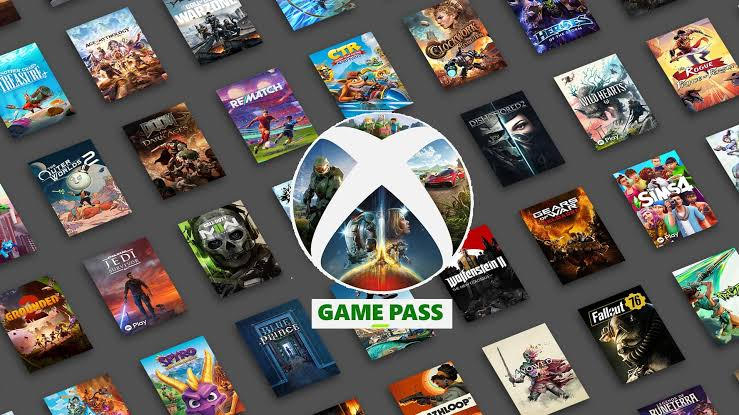
Several leaders working across Xbox owned studios reportedly believe Game Pass has damaged the commercial value of their games by training players to expect new releases through a monthly subscription instead of purchasing them individually.
Bloomberg journalist Jason Schreier discussed the internal frustration during Episode 313 of Triple Click, which examined Microsoft’s recent Xbox restructuring and the financial challenges surrounding its gaming division. Schreier said Game Pass is unlikely to disappear, but predicted that Microsoft could eventually stop placing some of its biggest games into the service on day one. This remains his analysis rather than a confirmed Xbox policy.
"There are a lot of people out there in studio leadership within Xbox who absolutely detest Game Pass."
— Jason Schreier
According to Schreier, some studio leaders believe Game Pass has reduced the perceived value of individual games and contributed to a wider expectation that new releases should be accessible for little additional cost. A game such as South of Midnight could be purchased separately for approximately 40$, but subscribers were able to access it as part of their existing Game Pass membership from its release.
This creates a difficult commercial situation for smaller and more experimental games. Game Pass can introduce a title to millions of players, reduce the risk of trying an unfamiliar experience, and increase engagement. However, it may also reduce direct purchases because subscribers have little reason to pay the full retail price while the same game remains available through the service.
Developers can also face additional pressure when their projects are expected to attract subscribers or increase engagement for an entire platform. A focused 10 hour game that might perform well as a traditional 40$ release can appear less successful when evaluated against subscription growth, player retention, and monthly engagement targets.
The comments arrive during the most significant restructuring in Xbox history. Xbox CEO Asha Sharma confirmed through the official Xbox restructuring announcement that approximately 3,200 positions will be eliminated during Microsoft’s 2027 fiscal year, including around 1,600 immediate cuts. Sharma acknowledged that Game Pass, broader content investment, and Microsoft’s multi platform strategy created value but did not grow at the pace the company expected.
Game Pass currently has approximately 30 million subscribers, according to reporting from The Wall Street Journal. That would represent a decline from Microsoft’s last publicly confirmed figure of 34 million subscribers in February 2024 and remains far below an earlier internal target of approximately 77 million by 2026. Microsoft has not officially confirmed the latest 30 million figure.
The decline follows a major Game Pass Ultimate price increase during 2025 that reportedly caused millions of players to cancel. Microsoft later reduced the monthly price of Game Pass Ultimate from 29.99$ to 22.99$, while PC Game Pass fell from 16.49$ to 13.99$.
Microsoft has already made 1 major exception to its day one strategy. New Call of Duty games will no longer enter Game Pass Ultimate or PC Game Pass at launch. Instead, they are scheduled to arrive around the following holiday season, approximately 1 year after release. The decision allows Xbox to protect direct sales from one of the gaming industry’s most commercially valuable franchises.
However, Xbox continues advertising day one releases as a central benefit of Game Pass Ultimate and PC Game Pass. Games including Fable and Gears of War E Day remain confirmed for the service at launch, meaning Microsoft has not announced a broader removal of day one access for its first party portfolio.
Schreier believes that could eventually change. Major releases such as The Elder Scrolls VI may generate more revenue through direct sales before joining Game Pass at a later date, while smaller games could continue using the subscription service to reach audiences that might otherwise overlook them.
Game Pass did not single handedly create Xbox’s current problems, but Microsoft’s own restructuring message confirms that the service failed to grow at the expected pace. The fundamental challenge is that Game Pass must simultaneously provide strong value to players, sustainable funding for developers, direct revenue for publishers, and acceptable margins for Microsoft.
Day one access works as a powerful customer acquisition tool, but it becomes increasingly difficult to justify when a major release could sell millions of copies at 70$ or 80$. Removing every major game would weaken Game Pass, while keeping every release inside the subscription could continue reducing traditional sales.
The most practical strategy may be a flexible release model. Smaller games could launch directly into Game Pass for discovery, while major franchises receive an initial retail window before entering the service. The risk is that subscribers may no longer view Game Pass as essential once its biggest promise becomes selective.
Should Xbox continue placing every first party game into Game Pass on day one, or should major releases be sold separately before joining the service later?
