
81.5% of Surveyed Samsung Foundry Workers Consider Leaving Amid Major Bonus Gap
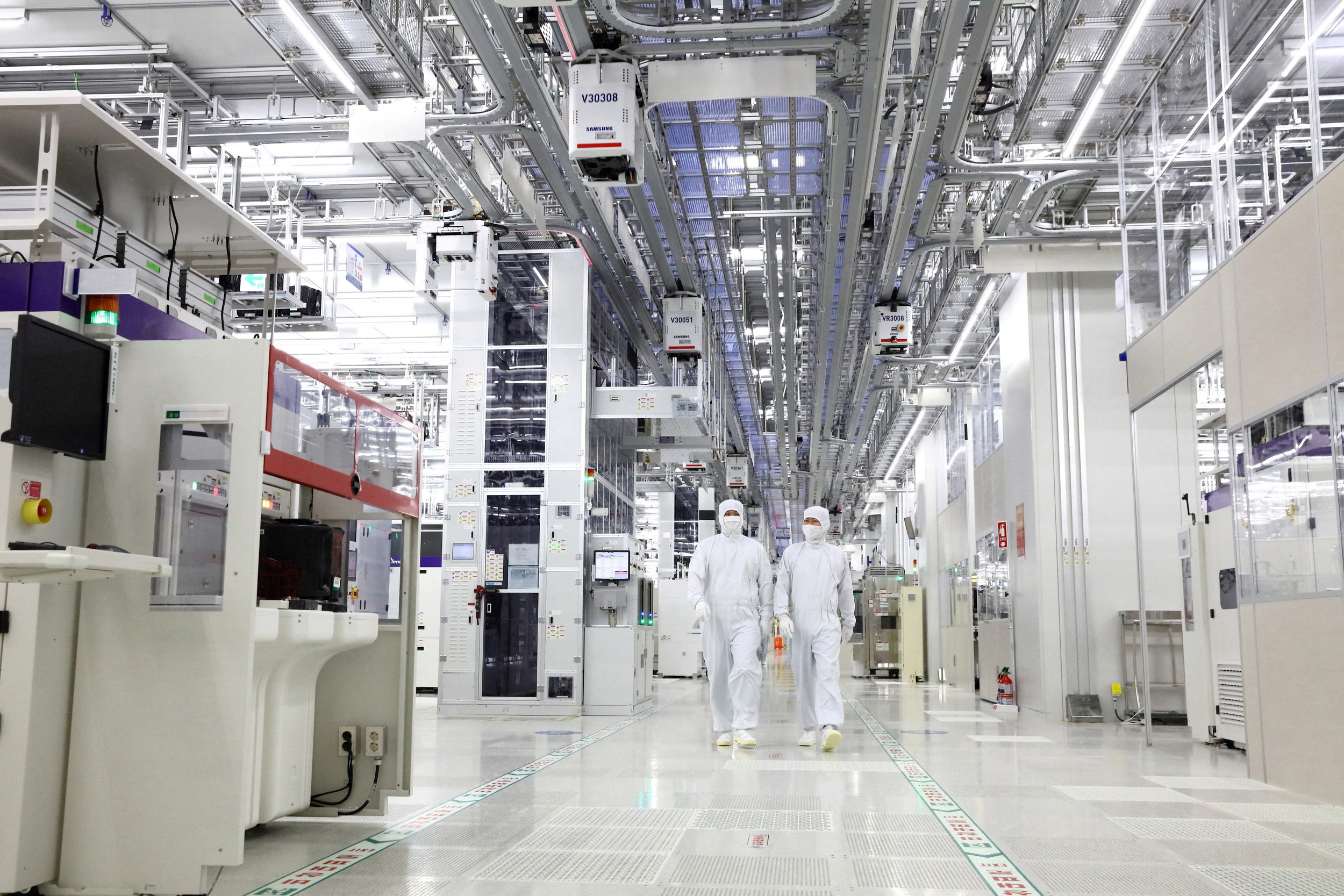
Samsung Electronics is facing a serious employee retention challenge within its semiconductor operations after a union survey found that 81.5% of participating Foundry employees were highly likely or very highly likely to leave the company within the next 2 years.
The survey was conducted by the Samsung Electronics branch of the Super Enterprise Labor Union between June 17 and June 30, 2026. It collected responses from 8,297 employees across Samsung’s Device Solutions division, including 1,462 respondents working within the Foundry business. The 81.5% result therefore represents surveyed Foundry employees rather than Samsung Foundry’s entire workforce.
Approximately 62% of Foundry respondents said their likelihood of leaving was very high, while another 19% described it as high. This was the highest result among the 7 organizations included within Samsung’s Device Solutions division and significantly above the overall average of 49.5%.
Dissatisfaction was also elevated across Samsung’s other logic and research organizations. Around 75.4% of respondents from the System LSI division expressed a high likelihood of changing jobs, followed by 60.6% at the Semiconductor Research Center. The figure fell to 32.7% within the profitable Memory division and 31.6% at the AI Center.
The results arrive shortly after Samsung and its unionized employees approved a new performance compensation agreement intended to distribute part of the company’s semiconductor profits among workers. Under the agreement, approximately 10.5% of qualifying operating profit will be allocated toward special bonuses, primarily through Samsung shares. The structure is expected to remain active for at least 10 years, subject to agreed profitability thresholds.
The central source of dissatisfaction is not the absence of bonuses across Foundry and System LSI. Those employees are still expected to receive substantial compensation. The issue is the scale of the difference compared with workers in Samsung’s highly profitable Memory business.
Based on estimates reported by Maeil Business Newspaper, a Memory employee earning an annual salary of 100 million won could receive approximately 550 million won through the special bonus and another 50 million won through Samsung’s existing performance incentive program. That would bring total performance compensation to approximately 600 million won, or around $400,000.
Foundry and System LSI employees could receive approximately 160 million won through the special compensation program. Combined with the existing performance incentive, their total could reach around 210 million won. This would create an estimated difference of almost 400 million won between Memory and Samsung’s less profitable semiconductor organizations.
The final amount will vary according to employee salary, business unit performance, Samsung’s financial results, and the value of the shares distributed through the program. Reuters separately reported that a Memory employee with a base salary of 80 million won could receive approximately 626 million won, mostly in Samsung stock.
The compensation imbalance is particularly sensitive for Samsung Foundry because the division remains engaged in an expensive competition with TSMC for advanced manufacturing customers. Samsung needs experienced engineers across process development, yield optimization, equipment integration, design enablement, and customer support as it expands its gate all around transistor technologies and prepares future manufacturing nodes.
Losing experienced employees could create further difficulty for a division that requires long development cycles and highly specialized knowledge. Even when departing employees are replaced, new engineers need time to understand manufacturing processes, customer requirements, and the complex interaction between equipment, materials, chip designs, and production yields.
The latest survey also follows a period of escalating labor pressure across Samsung. Major union rally reportedly disrupted both memory and foundry production, demonstrating that employee dissatisfaction could develop into an operational risk for the company. Samsung’s semiconductor business is simultaneously benefiting from extraordinary demand for DRAM, NAND, High Bandwidth Memory, and other products used within artificial intelligence infrastructure. Analysts cited by Korean media currently expect Samsung Electronics to generate approximately 300 trillion won in operating profit during 2026, although that figure remains a market estimate rather than a completed financial result.
Kim Yong kwan, President and Head of Corporate Management, Strategy and Operations for Samsung’s Device Solutions division, reportedly told employees that the business expected to meet market forecasts. He also said Samsung’s 2026 semiconductor profit could exceed the cumulative profit generated during approximately 40 years of operating within the industry.
The financial boom gives Samsung the resources to invest aggressively, but it also creates a difficult internal question. Rewarding the Memory division according to its exceptional profitability may appear commercially justified, yet Foundry, System LSI, and semiconductor research employees are responsible for technologies Samsung considers essential to its future competitiveness.
The most important figure is not simply that 81.5% of surveyed Foundry employees are considering leaving. It is the 48.8 percentage point difference between Foundry and Memory employees inside the same semiconductor organization.
Samsung’s compensation structure rewards the division currently generating the most profit, but advanced foundry development requires the company to retain talent before those investments become profitable. A system that heavily favors present performance could unintentionally weaken the teams responsible for Samsung’s long term recovery against TSMC.
The survey measures intention rather than confirmed resignations, so it does not mean thousands of workers will immediately depart. However, even a much smaller wave of departures involving senior engineers could damage development schedules, manufacturing yields, and customer confidence.
Should Samsung provide Foundry and System LSI engineers with bonuses closer to those received by Memory employees, or should compensation remain directly connected to each division’s profitability?
