
New Call of Duty Games Will No Longer Launch Into Xbox Game Pass, But Older Entries Could Fill the Gap
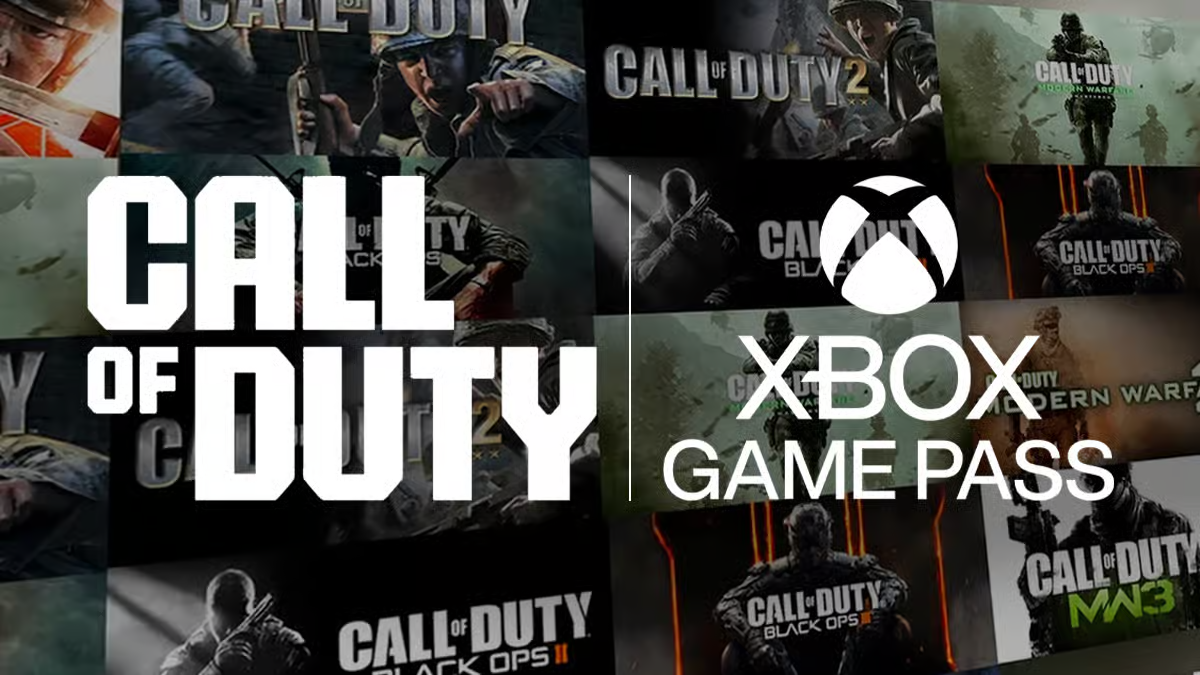
Xbox is making another major adjustment to its Game Pass strategy, and Call of Duty is once again at the center of the conversation. Under new Xbox CEO Asha Sharma, Microsoft has reportedly lowered the price of Xbox Game Pass Ultimate while also confirming a major shift: brand new Call of Duty games will no longer launch directly into Game Pass.
That change is a significant departure from the direction many players expected after Microsoft completed its massive Activision Blizzard acquisition. Call of Duty was one of the biggest reasons Game Pass subscribers expected the service to become more valuable over time, especially after newer entries like Black Ops 6 and Black Ops 7 arrived through the subscription model. Now, it appears Microsoft is changing the value equation again by keeping the newest Call of Duty releases outside of Game Pass at launch.
However, according to a report from PC Gamer, Microsoft may still have a plan to keep the franchise active inside the service. Instead of launching the newest premium Call of Duty games directly into Game Pass, Xbox is reportedly preparing to bring older Call of Duty titles into the library throughout 2026.
Currently, excluding Warzone, which is free to play and does not count as a traditional mainline entry, there are 6 Call of Duty games available through Game Pass:
Modern Warfare 2019
Modern Warfare II
Modern Warfare III
Call of Duty: WWII
Black Ops 6
Black Ops 7
The oldest title in that current list is Call of Duty: WWII, which launched in 2017. That leaves a large portion of the franchise’s history absent from Game Pass, including the original World War II era games, the early Modern Warfare trilogy, the original Black Ops entries, and several experimental releases from the Xbox One and PlayStation 4 era.
If Microsoft does move forward with adding retro Call of Duty titles, the potential list could include:
Call of Duty 2003
Call of Duty 2 2005
Call of Duty 3 2006
Call of Duty 4: Modern Warfare 2007
Call of Duty: World at War 2008
Call of Duty: Modern Warfare 2 2009
Call of Duty: Black Ops 2010
Call of Duty: Modern Warfare 3 2011
Call of Duty: Black Ops 2 2012
Call of Duty: Ghosts 2013
Call of Duty: Advanced Warfare 2014
Call of Duty: Black Ops 3 2015
Call of Duty: Infinite Warfare 2016
Call of Duty: Vanguard 2021
It is unlikely that every older Call of Duty game will be added at once. A more realistic strategy would be a staged rollout, potentially beginning with the first 3 entries. That would give Game Pass a stronger archival value while allowing Microsoft to market the franchise’s history over time.
The earliest Call of Duty games are also interesting because they represent a very different version of the franchise. Before Call of Duty 4: Modern Warfare turned the series into a global blockbuster, the franchise was primarily known for cinematic World War II campaigns, squad based atmosphere, and large scale historical battles. For longtime players, adding those original games could offer real nostalgia. For newer players, it would provide a way to understand where the franchise started before it became the annual military shooter giant it is today.
That said, retro Call of Duty games cannot fully replace day one access to the newest release. Players who subscribe to Game Pass mainly for the latest Call of Duty will likely see this change as a downgrade, even if the service becomes cheaper. A 20 year old campaign may be valuable for preservation and nostalgia, but it will not satisfy players who want the newest multiplayer ecosystem, the latest Zombies mode, or the current Warzone integration.
This is the core risk for Xbox. Game Pass built part of its recent identity around the promise of major first party and acquired titles coming to the service. Removing day one Call of Duty access could make the subscription feel less essential to some users, especially those who joined or stayed subscribed specifically because of Activision’s biggest franchise.
At the same time, Microsoft may be making a financial decision that reflects the scale of Call of Duty’s commercial power. A new Call of Duty release remains one of the biggest premium game launches every year. Selling the newest entry separately may generate more direct revenue than placing it into Game Pass immediately, especially if many existing subscribers were already willing to pay for the game before it entered the service.
This is where older Call of Duty games make strategic sense. Microsoft can still use the Activision catalog to strengthen Game Pass without sacrificing full price launch revenue from the newest titles. Adding classic entries gives the service more recognizable content, supports game preservation, and makes better use of the nearly $70 billion portfolio Microsoft acquired.
There is also precedent for this kind of value building. DOOM fans have benefited from seeing multiple versions of id Software’s iconic shooter available through Game Pass. Even when the newest releases drive the biggest conversation, having older titles accessible in one place adds historical value and strengthens the perception of Xbox as a home for legacy franchises. Call of Duty could follow a similar path.
Still, Microsoft will need to communicate this shift carefully. If the message is simply that new Call of Duty games are no longer coming to Game Pass at launch, players may view the move as a step backward. If Microsoft frames it as a broader Call of Duty archive strategy with lower Ultimate pricing, older campaigns, classic multiplayer access where possible, and long term franchise availability, the reception could be more balanced.
The real test will be how the rollout happens. If Game Pass receives only a few older titles with limited improvements, it may not do much to offset the loss of day one Call of Duty releases. If Microsoft gradually brings back a wide range of classic entries, improves compatibility, supports stable online play, and makes the campaigns easily accessible on console, PC, and cloud, the value could be more meaningful.
For now, the reported strategy feels like a compromise. Xbox keeps the newest Call of Duty titles as premium releases while using older games to preserve the franchise’s presence inside Game Pass. It may not satisfy everyone, but it does give Microsoft a way to use its Activision catalog more effectively without undercutting one of the industry’s most profitable annual franchises.
For players, the result is mixed. Game Pass may become cheaper and richer in legacy content, but it may no longer be the guaranteed home of the newest Call of Duty on day one. That could reshape how subscribers evaluate the service going forward.
Would you rather have new Call of Duty games launch day one in Game Pass, or a cheaper Game Pass Ultimate with a growing library of classic Call of Duty titles?
