
Micron Says Physical AI Could Keep Memory Demand Tight Through 2028
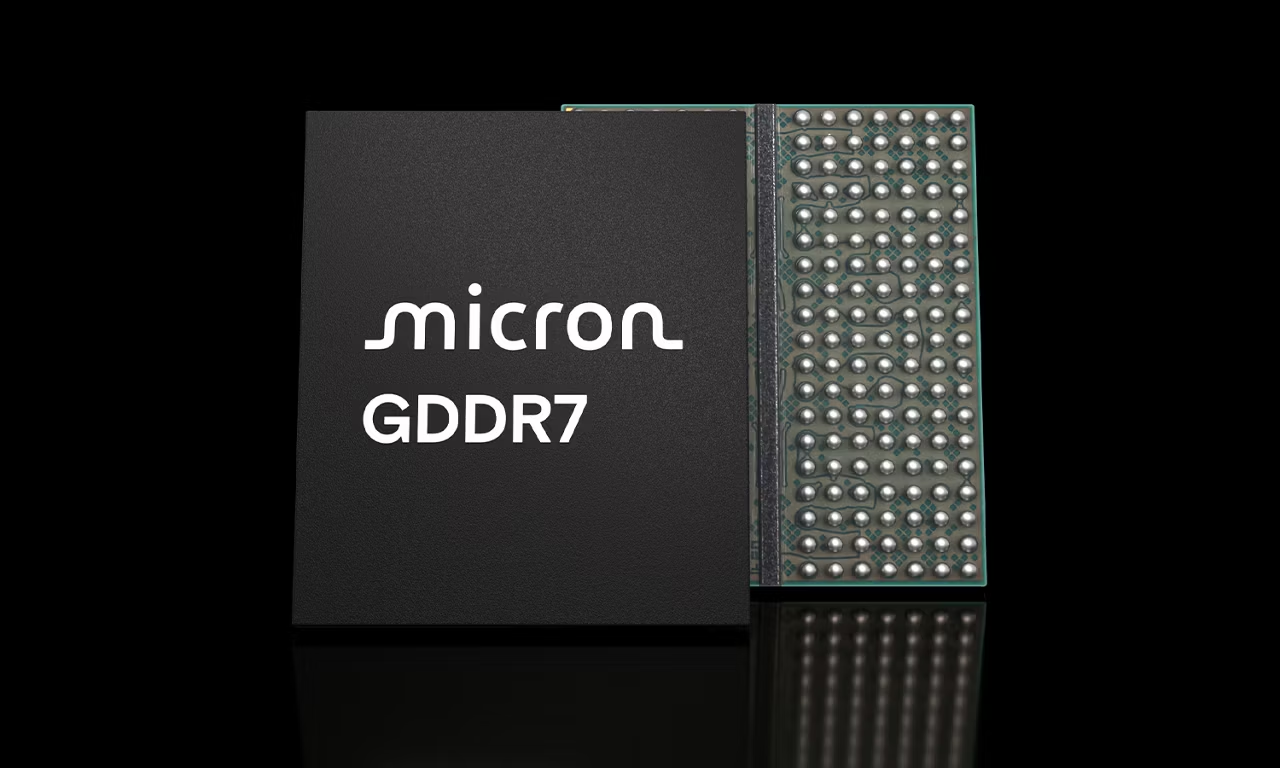
Micron is signaling that the memory shortage may not ease quickly, even if the current AI infrastructure cycle slows. In its latest fiscal Q4 2026 results, the company reported record quarterly revenue of $54.23 billion, up from $11.32 billion in the same period last year, while non GAAP diluted earnings reached $33.42 per share. Micron also guided fiscal Q1 2027 revenue to $61.5 billion, plus or minus $1.5 billion, showing that the company expects demand to remain exceptionally strong into the next quarter.
The most important part of the update is not only the record revenue, but the demand pipeline behind it. Micron says autonomous vehicles are already becoming the first major deployment of physical AI, and that Level 4 or higher autonomous systems typically require more than 200 GB of memory and multiple terabytes of storage. The company added that humanoid robots are expected to have comparable memory and storage requirements, positioning robotics as another future demand driver for DRAM and NAND rather than a distant experimental market.
"Humanoid robots are expected to have comparable memory and storage requirements to autonomous vehicles."
— Quote by: Micron
Micron also warned that memory and storage supply conditions are expected to be much tighter in calendar 2027 and 2028 than they were in 2026. The company expects both DRAM and NAND to remain supply constrained across those years, while HBM bit shipments are expected to grow faster than conventional DRAM through 2028. Even with additional DRAM clean room space being planned, Micron says it does not yet have line of sight to when supply and demand will return to balance.
This matters because the shortage is no longer isolated to HBM stacks for AI accelerators. Micron’s own remarks point to higher memory content across data centers, enterprise SSDs, premium PCs, smartphones, automotive platforms and physical AI devices. That aligns with the broader market pressure we have been tracking, including Micron’s warning that the AI memory wall is widening and recent reports that Korean DRAM export prices surged 401% as supply tightened across advanced and conventional memory.
Micron’s long term supply agreements further reinforce that customers are trying to secure capacity before the market gets even tighter. The company says it has signed 26 strategic customer agreements, estimating they cover more than 35% of revenue through 2030. Micron also disclosed that customer financial commitments tied to these agreements have increased to $32 billion, mostly in cash deposits, while Reuters reported that remaining performance obligations under those agreements have climbed to around $150 billion.
For PC builders, gamers, workstation users and smaller system integrators, the takeaway is straightforward. Memory is becoming a strategic resource for AI infrastructure, autonomous machines and advanced edge devices, not just a commodity component for consumer hardware. If physical AI scales in the second half of the decade, the same DRAM and NAND supply base supporting gaming PCs, servers, SSDs and mobile devices will face another high value demand source competing for capacity.
The market is starting to treat memory as infrastructure rather than inventory. HBM gets most of the attention because it sits beside the most expensive AI accelerators, but the larger story is that DRAM and NAND are becoming critical across every intelligent system, from servers and workstations to autonomous vehicles and humanoid robots. That makes a fast return to cheaper memory less likely, because even a correction in one AI segment may be replaced by demand from another. For gamers and PC builders, the pressure may show up less as dramatic shortages and more as higher baseline prices for DDR5, SSDs and future high capacity kits.
Do you think memory prices will normalize in 2027, or has AI permanently changed the pricing floor for DRAM and NAND?
