
MediaTek Dimensity 9600 Pro Rumored To Push Smartphone Performance Toward Desktop Territory
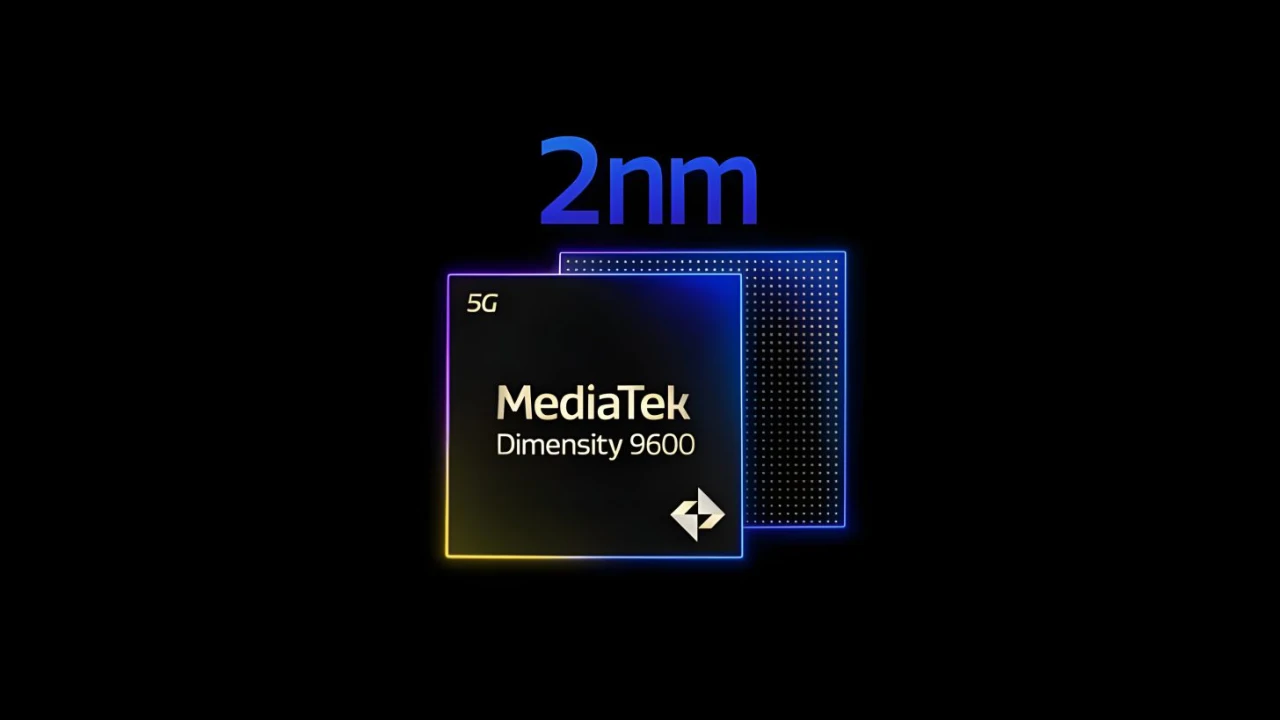
MediaTek could be preparing a more aggressive flagship entry for its next generation mobile lineup, with a new rumor suggesting that the company will introduce a Dimensity 9600 Pro later in 2026 instead of limiting the family to a single standard release. According to information shared by Digital Chat Station, this upcoming chipset is being positioned around a bold performance target that could place it much closer to desktop class behavior than what users typically expect from a smartphone SoC.
The report indicates that the Dimensity 9600 Pro may aim for a 5.00GHz peak clock speed, supported by a new CPU architecture that departs from the approach used on the previous generation. While the Dimensity 9500 was said to rely on a single high performance core, the new Pro variant is rumored to adopt a 2 + 3 + 3 CPU cluster, which would give MediaTek a more aggressive foundation for both single core and multi core workloads. If accurate, this would mark the first time MediaTek embraces this configuration, signaling a major strategic shift in how it intends to scale premium mobile performance.
On paper, this sounds like the kind of move designed to answer Qualcomm directly, especially if the market is indeed heading toward a more segmented flagship race where “Pro” class mobile chipsets become the new battleground. The alleged goal here is clear: deliver desktop level responsiveness and stronger benchmark leadership in a mobile form factor. For gaming, AI assisted workloads, content creation apps, and heavier multitasking on flagship phones, that type of uplift could create a meaningful marketing and real world advantage.
However, the biggest issue may not be performance itself, but sustained performance. The same rumor suggests that MediaTek is still struggling to keep the Dimensity 9600 Pro cool enough to maintain these extremely high frequencies for more than brief bursts. That becomes a serious limitation in smartphones, where thermal design is inherently constrained by size, chassis thickness, and passive cooling limits. Even with larger vapor chambers, advanced thermal materials, or more experimental additions such as liquid cooling systems and active fans, the report claims overheating remains a major obstacle.
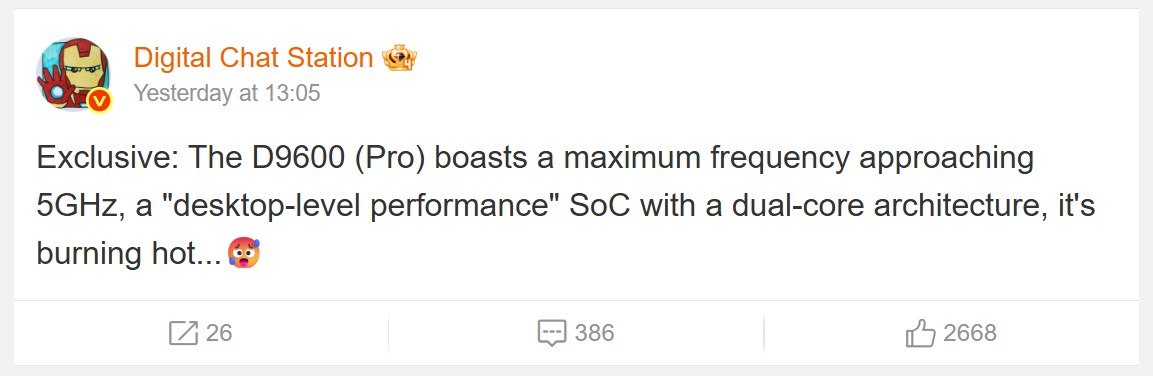
As a result, the chipset may only be able to touch its 5.00GHz target in short windows before dropping back into a more sustainable 4.00GHz to 4.20GHz range. That kind of throttling would not necessarily make the chip weak, but it would raise important questions about how much of its headline performance users can actually access during extended gaming sessions, long rendering tasks, or heavy multitasking scenarios. In the smartphone space, peak clocks look impressive on paper, but thermal efficiency and performance consistency are often what separate a strong flagship platform from one that feels compromised under pressure.
Another notable part of the discussion is MediaTek’s continued reliance on ARM CPU designs rather than a custom in house architecture such as Qualcomm’s Oryon. While ARM based cores can still deliver excellent results, the rumor suggests that efficiency under these extreme clock targets may become harder to manage, especially if MediaTek is trying to force much higher frequencies without a fully custom core strategy built around those ambitions. That could translate into faster thermal saturation and more aggressive downclocking unless the company has found meaningful gains elsewhere in the platform stack.
One possible advantage comes from manufacturing. The Dimensity 9600 Pro is rumored to move to TSMC’s 2nm N2P process, and that transition could provide the thermal and efficiency headroom MediaTek needs to make this strategy viable. In theory, a more advanced node can help reduce power leakage, improve transistor density, and support higher frequencies more efficiently. Still, process improvements alone do not eliminate the physical limitations of smartphone cooling, so the success of this chip may ultimately depend on how well MediaTek balances architecture, voltage tuning, and sustained thermal behavior.
The rumor also points to the possibility of a standard Dimensity 9600 launching alongside this Pro model, presumably with lower clock speeds and less aggressive thermal demands. If that happens, MediaTek could be preparing a broader flagship portfolio that lets smartphone brands choose between maximum headline performance and more balanced efficiency depending on their device targets. That would be a smart commercial move, especially in a market where brands increasingly want differentiated premium SKUs for gaming phones, camera flagships, and ultra thin mainstream flagships.
From an industry perspective, the Dimensity 9600 Pro sounds like a classic high risk, high reward product. If MediaTek can stabilize the platform and keep thermals under control, it could have a genuine flagship contender capable of pushing Android performance to a new level. If not, it may still win benchmark headlines, but struggle to convert them into a consistently premium user experience. For mobile gamers and power users, that distinction matters more than ever.
What do you think matters more for next generation flagship phones: chasing extreme peak clocks, or delivering lower but more stable performance over long gaming and productivity sessions?
