
China’s Semiconductor Leadership Calls for a Software Defined Chip Strategy to Reduce AI Dependence on NVIDIA CUDA
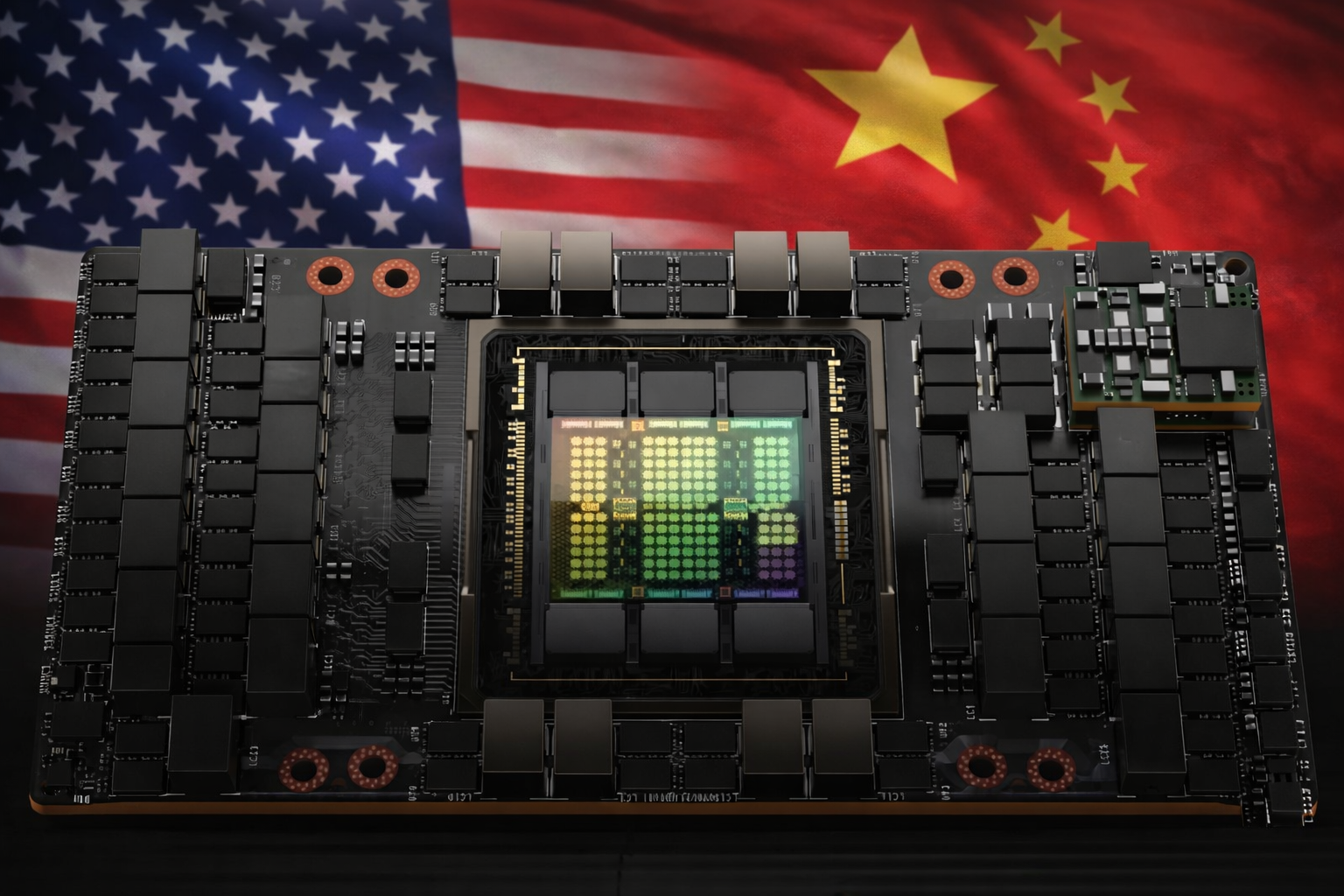
China’s semiconductor industry is again signaling that software control, not just process technology or raw hardware scale, will define the next phase of the AI race. A new report from DigiTimes highlights comments from Wei Shaojun, vice chairman of the China Semiconductor Industry Association and a professor at Tsinghua University, who argues that China should reduce its dependence on NVIDIA’s CUDA ecosystem and stop trying to win by simply copying the Western software stack. Instead, he suggests the country should seriously explore a software defined chip, or SDC, approach.
That position is significant because CUDA has long been seen as one of NVIDIA’s most powerful competitive advantages. NVIDIA CEO Jensen Huang has repeatedly described CUDA as a key moat for the company, and the logic is easy to understand. CUDA is not just a programming layer. It is a mature developer ecosystem, a tooling environment, and a software foundation that keeps researchers, enterprises, and AI developers tied closely to NVIDIA hardware. Wei’s comments suggest that China sees this lock in as a structural vulnerability for its domestic AI ambitions.
According to the report, Wei’s view is that building a direct CUDA replacement may not be the most effective strategy. The cost of creating translation layers, building a fully independent software environment, and convincing developers to migrate into an immature ecosystem is simply too high. Instead of recreating the same model, he proposes changing the architecture itself. In an SDC framework, the emphasis shifts away from a fixed hardware layout and toward a more compiler driven, reconfigurable computing structure. That would allow the chip’s compute behavior to be shaped more dynamically through software generated configuration bitstreams rather than relying on the traditional GPU model and its ISA dependent flow.
In practical terms, this means Wei is advocating for a platform where developers are less dependent on a CUDA style middleware layer and less bound to a specific hardware instruction ecosystem. The idea is that instead of computations being tightly coupled to a GPU scheduler and its established software stack, the compiler becomes the center of gravity. Data movement, execution order, and workload mapping are handled through deterministic compilation, potentially down to the clock cycle. That opens the door to a fundamentally different compute model, one that trades familiar GPU flexibility for a more specialized and compiler centric execution path.
This is where the strategy becomes both ambitious and difficult. Compiler driven hardware models can be highly efficient for selected workloads, but they are also far more demanding to build and scale. Routing, branching, structural adaptability, and toolchain maturity all become major engineering challenges. Wei appears to acknowledge that reality, while still arguing that China cannot afford to remain dependent on external ecosystems. His quoted position is blunt and strategic: even if domestic technology is not yet strong enough at the beginning, it still needs to be used and improved through trial and error, because avoiding that effort would only deepen the gap.
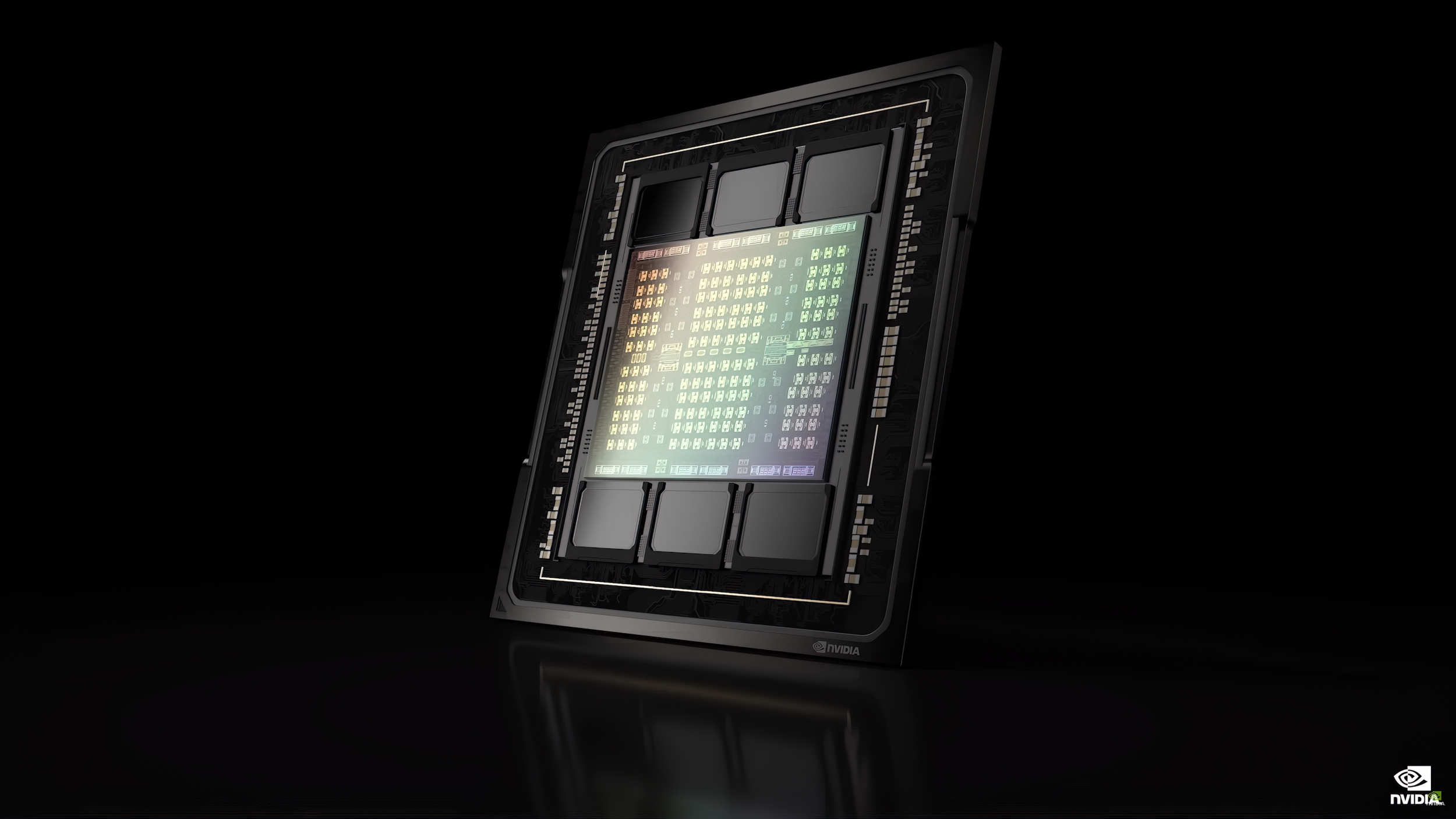
The broader implication is that China may increasingly support AI silicon paths that do not try to beat NVIDIA on NVIDIA’s own terms. That is an important distinction. Winning the GPU market by cloning CUDA, matching the software libraries, and replicating years of developer trust would be a massive uphill battle. Pursuing software defined or compiler defined architectures could let Chinese firms build around different strengths, especially in controlled domestic deployments where the software stack, hardware platform, and application environment can be optimized together. That still would not make GPUs irrelevant, but it could create credible alternatives for certain inference or domain specific AI workloads. This is an inference based on Wei’s comments and the architecture he is endorsing, not a direct claim from the report itself.
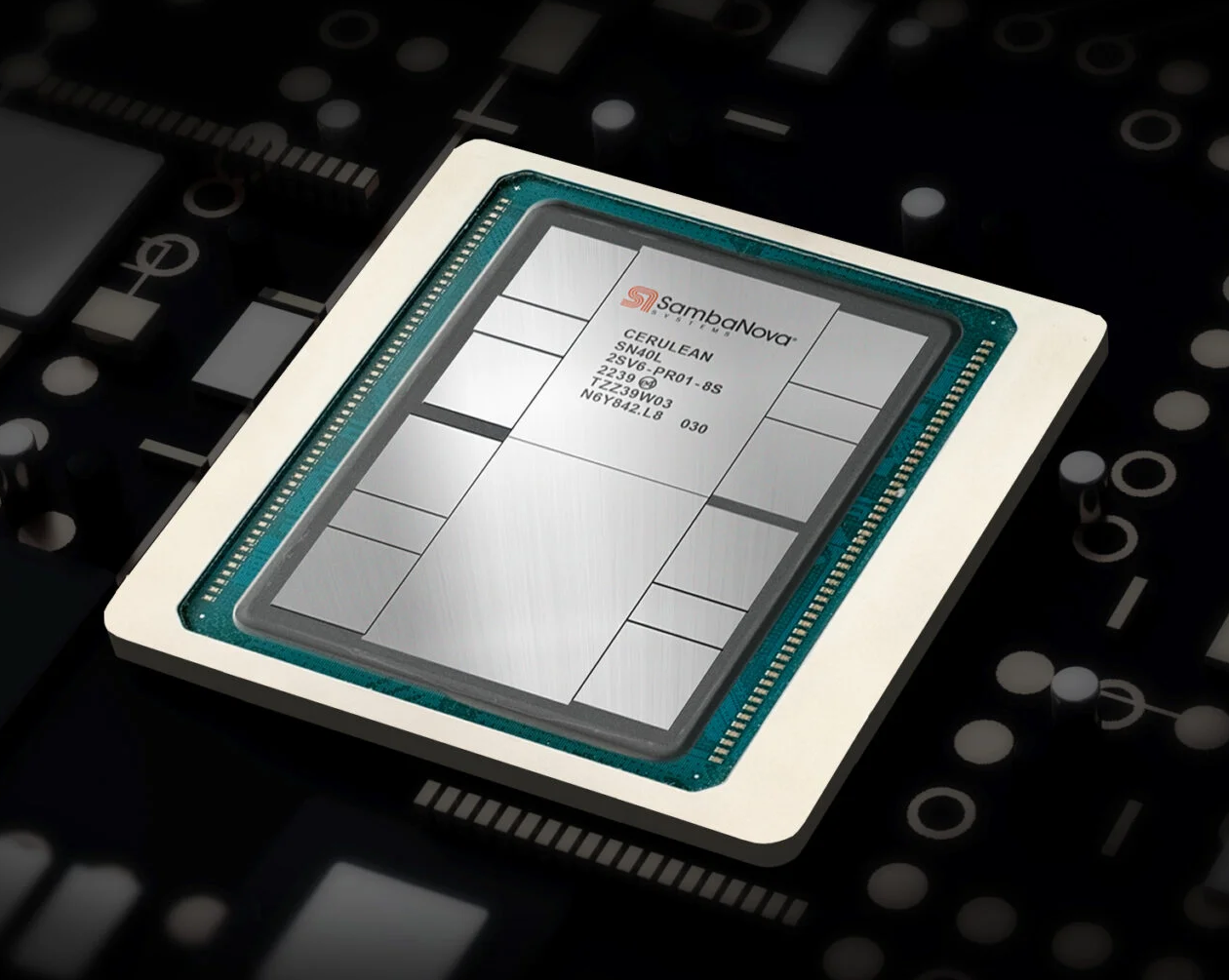
The report also notes that this type of architecture is not entirely theoretical. Systems such as SambaNova’s RDU and Groq’s LPU are cited as examples of software defined chip style thinking, though they are generally designed for targeted workloads rather than as one for one replacements for general purpose GPUs. That distinction matters because it shows both the opportunity and the limitation of the SDC concept. These architectures can be highly effective in tightly defined scenarios, but replacing the full breadth of GPU functionality across training, inference, research, simulation, and general AI development remains a much taller order.
For the domestic Chinese AI market, however, the move makes strategic sense. If access to Western hardware and software remains constrained, then building around a different model may be more realistic than chasing parity within an ecosystem designed and dominated by NVIDIA. From a market perspective, this is less about a short term commercial product launch and more about long horizon infrastructure positioning. China is effectively being urged to build a compute path where software and hardware can evolve together on domestic terms, even if the first few generations are less polished or less competitive than established Western platforms.
For gamers, creators, and tech watchers following the AI hardware race, this is one of those developments that may not translate into a consumer product tomorrow, but it could shape the competitive map over the next several years. The real battle in AI hardware is no longer only about who has the fastest chip. It is about who owns the ecosystem that developers are willing, or forced, to build on.
What do you think will matter more in the long run for AI leadership: the best hardware, or the strongest software ecosystem around it?
