
Marvel’s Wolverine Makes 60 FPS With Ray Tracing the Default on Base PS5
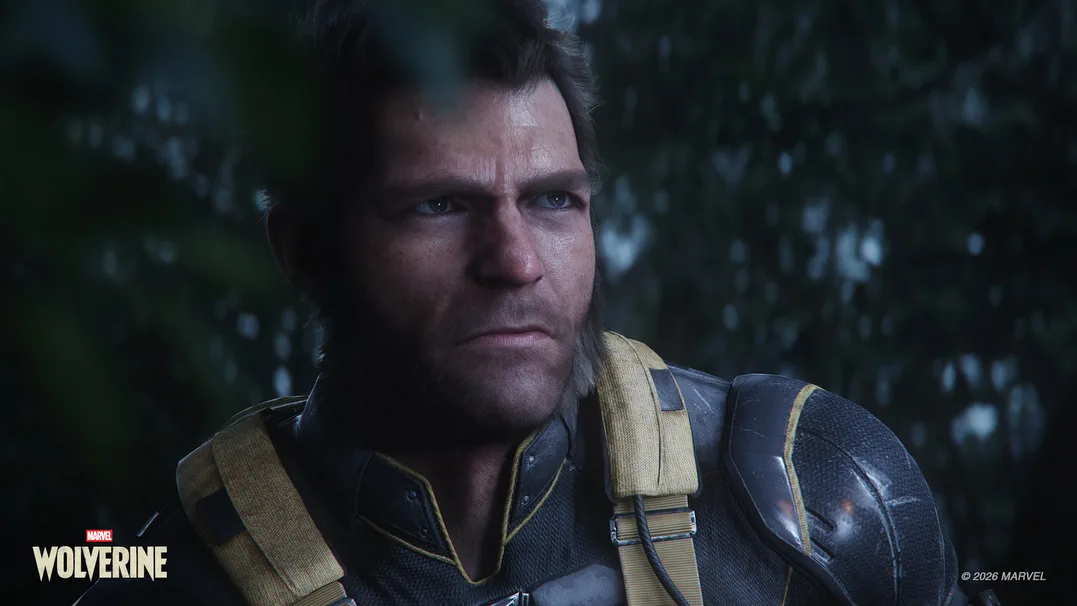
Insomniac Games has confirmed an impressive technical target for Marvel’s Wolverine, with the game running at 60 FPS while keeping ray tracing enabled on the standard PlayStation 5. More importantly, this Performance Mode will be the default graphics configuration when players first launch the game, marking the first time Insomniac has designed one of its releases around a 60 FPS ray traced mode as the primary presentation from the beginning of development.
Speaking in an IGN interview, Insomniac Head of Technology Mike Fitzgerald explained that previous games from the studio typically began with separate Fidelity and Performance targets before ray tracing was eventually incorporated into faster performance configurations. Marvel’s Wolverine takes the opposite approach, with Insomniac establishing 60 FPS and ray tracing as a fundamental technical requirement from the start rather than treating it as an additional graphics option later in production.
"For this game from the start, we said, ‘You know what? We know we're confident we can ship this now. This is going to be a 60 frames per second game with ray tracing as the PS5 should have. We're going to build the game around this and towards this.’"
— Quote by: Mike Fitzgerald, Head of Technology at Insomniac Games
Previous Insomniac titles including Marvel’s Spider Man, Marvel’s Spider Man: Miles Morales, Ratchet & Clank: Rift Apart, and Marvel’s Spider Man 2 have offered various combinations of higher frame rates and ray tracing. The important distinction with Wolverine is that Insomniac is treating the combination as the game's default rather than an alternative visual mode. The studio has also continued advancing its rendering technology on PS5 Pro, with Marvel’s Spider Man 2 recently receiving Enhanced PSSR support, demonstrating how image reconstruction and more powerful console hardware are increasingly being used to narrow the traditional gap between graphics quality and performance.
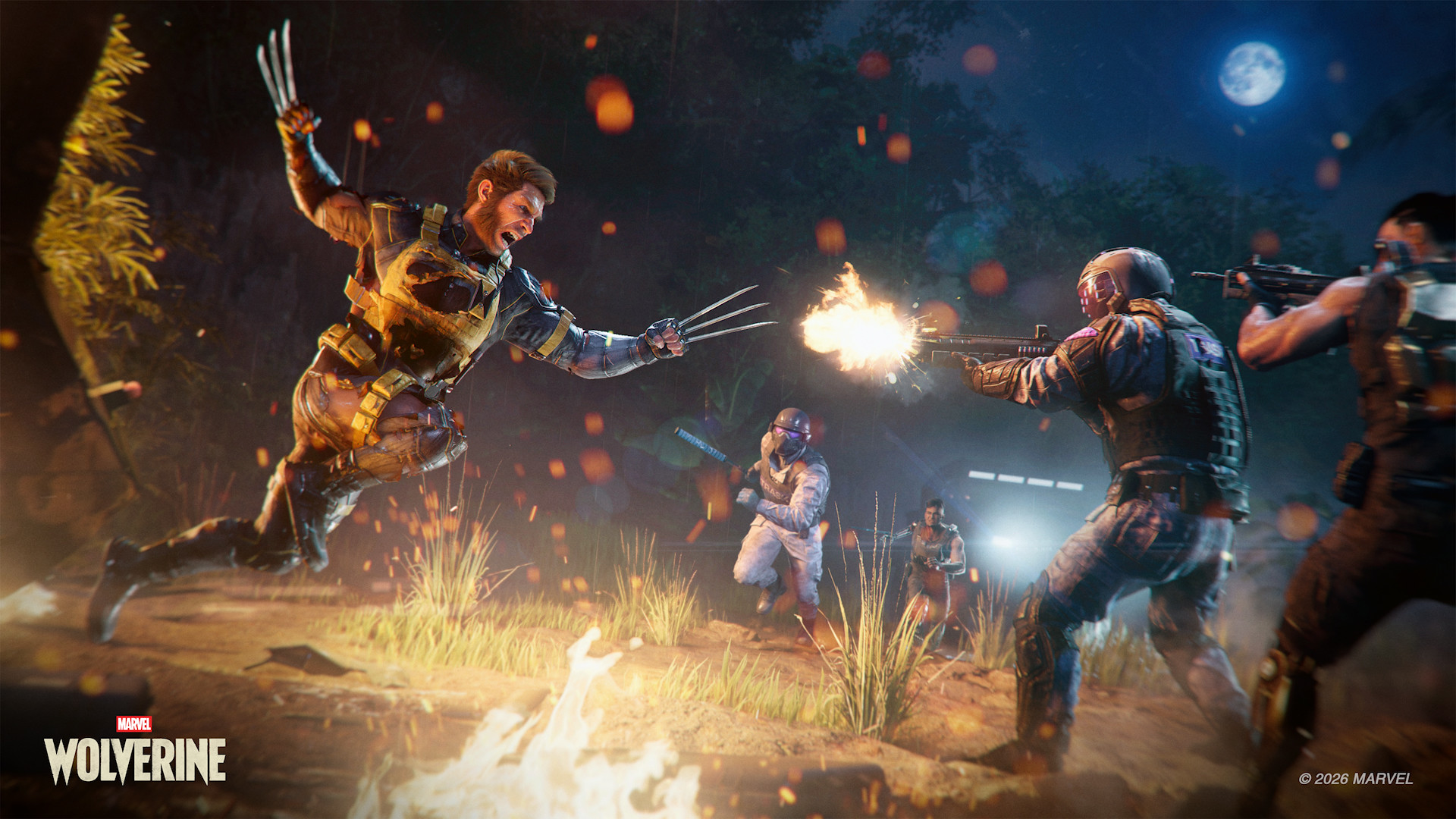
Marvel’s Wolverine is also pushing Insomniac’s engine in areas that are considerably different from the dense urban environments associated with Spider Man. Fitzgerald explained that environments including Canada and Madripoor required additional investment in foliage and vegetation systems, with plants reacting dynamically to wind and characters moving through the environment. Destruction has also received significant attention, with many environmental props designed to break and react physically as Logan tears through combat encounters.
These systems complement the game’s considerably more aggressive combat direction. PlayStation’s latest hands on preview describes Logan launching himself between enemies, building multiple Rage Tiers, unlocking Special Techniques and Adaptations, using Enhanced Senses for stealth, and performing increasingly violent critical strikes as his rage increases. The preview also demonstrated fights against Reavers, Omega Red, and a Sentinel Prototype while exploring locations including Telambang and Madripoor.
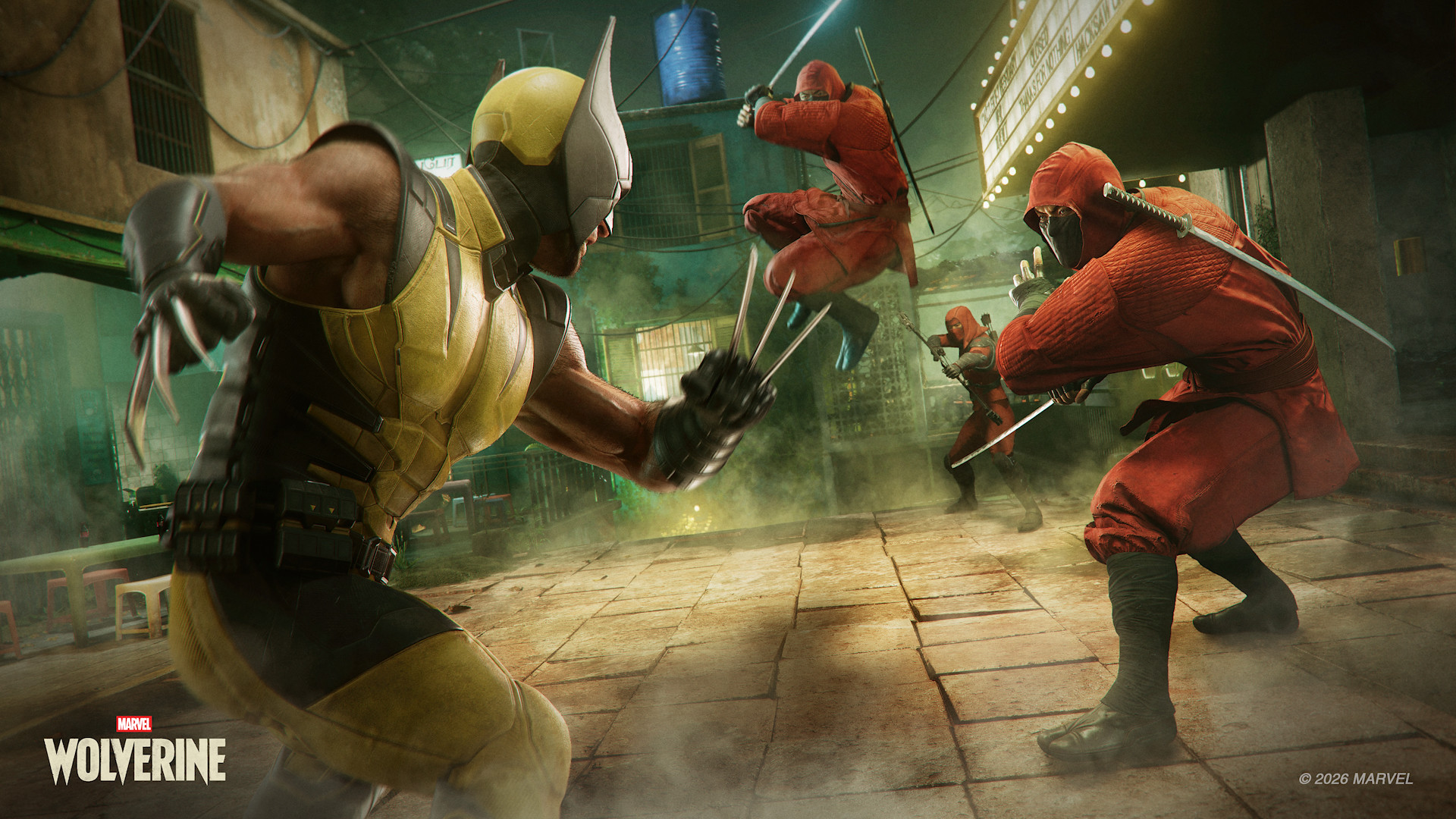
Exploration will provide additional progression outside combat. Players can discover upgrade materials, collectible whisky bottles, alternate outfits and claw designs, while Nightmare Doors transport Logan into timed trials connected to fragments of his past. Mission Replay will allow completed sections to be revisited for missed collectibles, while New Game Plus is also planned for launch rather than arriving through a later update.
The technical confirmation arrives as Sony expands its marketing campaign ahead of release. The company recently introduced a complete Marvel’s Wolverine Battle Yellow PS5 collection, including a limited edition PS5 Digital Edition bundle, matching DualSense controllers, console covers, and a separate Adamantium design for PS5 Pro. Marvel’s Wolverine launches September 15, 2026, exclusively for PlayStation 5.
Making 60 FPS with ray tracing the default on the base PS5 is more significant than simply adding another Performance Mode. Insomniac is designing the entire rendering budget around that target from the beginning, meaning combat responsiveness, environmental complexity, destruction, lighting, and animation all have to operate within a consistent 60 FPS framework.
That decision makes particular sense for Wolverine. Logan’s combat depends heavily on rapid movement, counters, lunges, parries, and transitions between enemies, so responsiveness arguably matters more here than in a slower cinematic action game. If Insomniac can maintain its traditional image quality while delivering ray tracing and a stable 60 FPS on hardware released in 2020, Marvel’s Wolverine could become one of the strongest technical showcases for the base PS5 near the end of the console generation.
Would you choose the default 60 FPS ray tracing mode in Marvel’s Wolverine, or would you still prefer a higher resolution Fidelity Mode if Insomniac offers one?
