
Linux 7.3 RC1 Adds Early AMD Zen 6 Support and Ryzen AI Halo RGB Controls
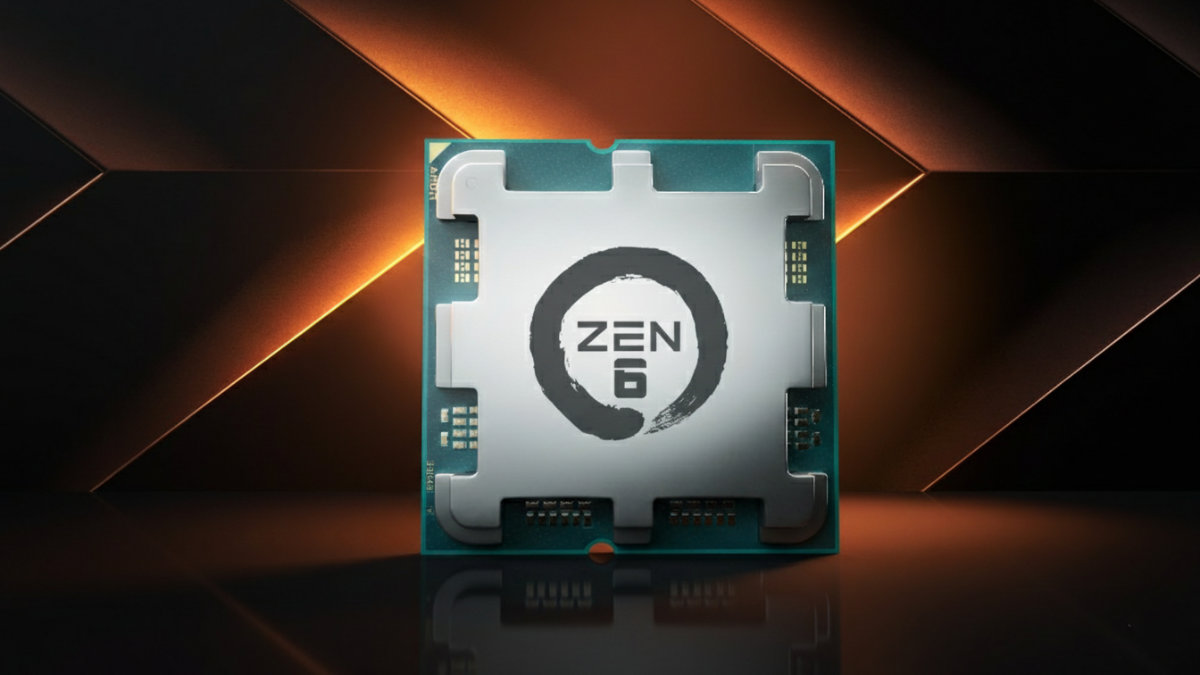
Linux 7.3 is beginning to lay the software foundation for AMD's next generation Zen 6 client processors, with the newly released RC1 kernel adding new platform management support, telemetry capabilities and CPU topology changes ahead of future Ryzen hardware. The update also introduces native RGB controls for the Ryzen AI Halo mini PC while expanding support across laptops and gaming handhelds from ASUS, HP, Lenovo, MSI, Samsung and other manufacturers. The Linux Kernel Archives currently lists Linux 7.3 RC1 as the latest mainline development release following its publication on August 30, meaning these features are still undergoing testing before the stable Linux 7.3 release.
One of the most important AMD additions comes through the Host System Management Port, or HSMP, driver. Linux 7.3 expands HSMP support for AMD Family 1Ah client processors and introduces the newer communication infrastructure required by upcoming Zen 6 hardware. AMD's kernel patches show support covering Family 1Ah Models 80h through 8Fh and E0h through E3h, with the client processors using the Ryzen Master SMC message set rather than the server oriented interface used by EPYC platforms. HSMP gives operating system level software access to processor telemetry and system management functions through the kernel.
The development connects directly with AMD's emerging Zen 6 Ryzen roadmap. Earlier AMD kernel work identified Models 80h through 87h with Medusa1, Models 88h through 8Fh with Olympic Ridge and Models E0h through E3h with Medusa2. AMD documentation has since connected Olympic Ridge with AM5 and Medusa with AM5 and FP10 platforms, providing increasingly clear evidence that Linux enablement is being prepared well before the broader Zen 6 client rollout.
AMD's Platform Management Framework is also receiving support for Family 1Ah Model 80H. The underlying patch series restructures communication with the System Management Unit and introduces support for a firmware managed DRAM metrics table capable of providing NPU telemetry. On the new platform, the operating system can calculate NPU metrics through differences between accumulated values across consecutive samples. The framework also gains an ioctl interface that allows device metrics to be exposed more cleanly to software running above the kernel.
Another significant Zen 6 related addition is Linux 7.3's recognition of AMD's new Low Power CPU core category. AMD processors can already expose Performance and Efficiency classifications, with dense Zen 4c and Zen 5c designs occupying the efficiency side of the topology. The new AMD CPU TYPE LOW POWER classification allows Linux to correctly identify a third type of core instead of reporting it as unknown. AMD has not publicly confirmed which commercial Zen 6 products will use the architecture, but the timing strongly suggests the feature is being prepared for upcoming mobile processors.
This expands on the AMD Low Power CPU core patches previously examined, which showed that the new classification is distinct from AMD's existing dense Zen c architecture. Rather than primarily increasing compute density, a dedicated low power core could handle background activity and light operating system workloads while allowing larger performance cores to remain inactive, potentially improving battery life in notebooks, compact systems and gaming handhelds. AMD has not officially identified these cores as Zen 6 LP or confirmed their final architecture.
Linux 7.3 also brings a more immediately visible improvement for existing AMD hardware through a new Ryzen AI Halo RGB LED driver. The driver provides native control of the RGB light bar on AMD's Ryzen AI Halo mini PC through the standard Linux multicolor LED subsystem. Userspace can adjust red, green and blue values through sysfs instead of depending on proprietary configuration software, with each channel supporting values from 0 through 100.
The broader platform update extends beyond AMD processors. ASUS ProArt PX13 systems gain support for the dedicated ProArt key, while the ASUS Armoury driver can adjust power limits across additional devices. HP hardware receives GPU MUX switching along with independent CPU and GPU PWM fan controls on supported systems. Lenovo gains a new Yoga Book 9 driver and USB C Security functionality for newer ThinkPads, allowing USB C charging while blocking data transfers. Samsung Galaxy Book6 Pro support is also being introduced.
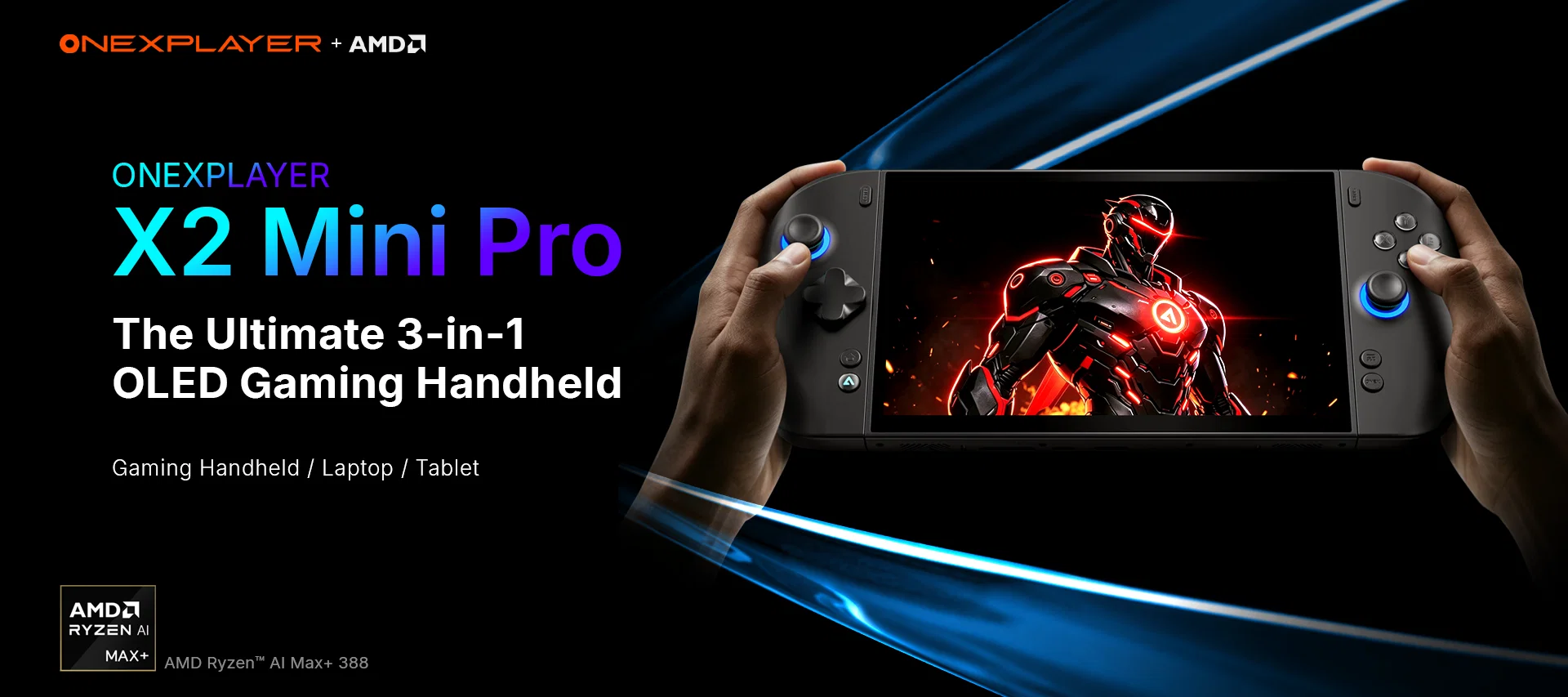
Linux gaming handheld support continues to improve as well. The MSI WMI driver now recognizes the M Center buttons used by the MSI Claw family, while the OneXPlayer driver adds support for the X2 Mini Pro. These additions arrive as Linux and SteamOS become increasingly important alternatives for handheld gaming PCs, where reliable control over platform buttons, power behavior and hardware telemetry can determine whether a device delivers the same functionality available under Windows.
Linux 7.3 also contains significant changes elsewhere in the kernel, including better Btrfs performance, early support for the 2026 Steam Controller, additional AMD graphics IP enablement, Intel Xe3P graphics support for Nova Lake and early Apple M3 Pro, M3 Max and M3 Ultra groundwork. The Linux 7.3 development cycle is currently at RC1, with the stable release expected later in the normal kernel development cycle rather than being available to mainstream distributions immediately.
The most important part of Linux 7.3 is not that Zen 6 suddenly has complete Linux support. It does not. What we are seeing is the infrastructure that needs to exist before those processors reach mainstream users.
HSMP communication, PMF telemetry, NPU metrics and correct CPU core classification are exactly the types of features AMD needs upstream months before new Ryzen systems begin shipping. Preparing them in the mainline kernel early reduces the possibility that first generation Zen 6 buyers will need vendor specific kernels or lengthy compatibility work before Linux can properly understand the hardware.
The Low Power core classification remains particularly interesting. AMD has already demonstrated that standard Zen and dense Zen c cores can coexist across its portfolio. Adding a third classification suggests future client processors could become considerably more heterogeneous, with different cores optimized not only for maximum performance and silicon density, but also extremely low background power consumption.
For Linux gamers, this groundwork matters because strong day 1 platform support could make future Zen 6 notebooks and handheld systems much easier to adopt under Linux and SteamOS.
Would stronger Linux and SteamOS support influence your decision when choosing a future AMD Zen 6 gaming laptop or handheld?
