
Elon Musk Says Terafab Exists Because TSMC Cannot Meet His Companies’ “Staggeringly Large” Chip Demand
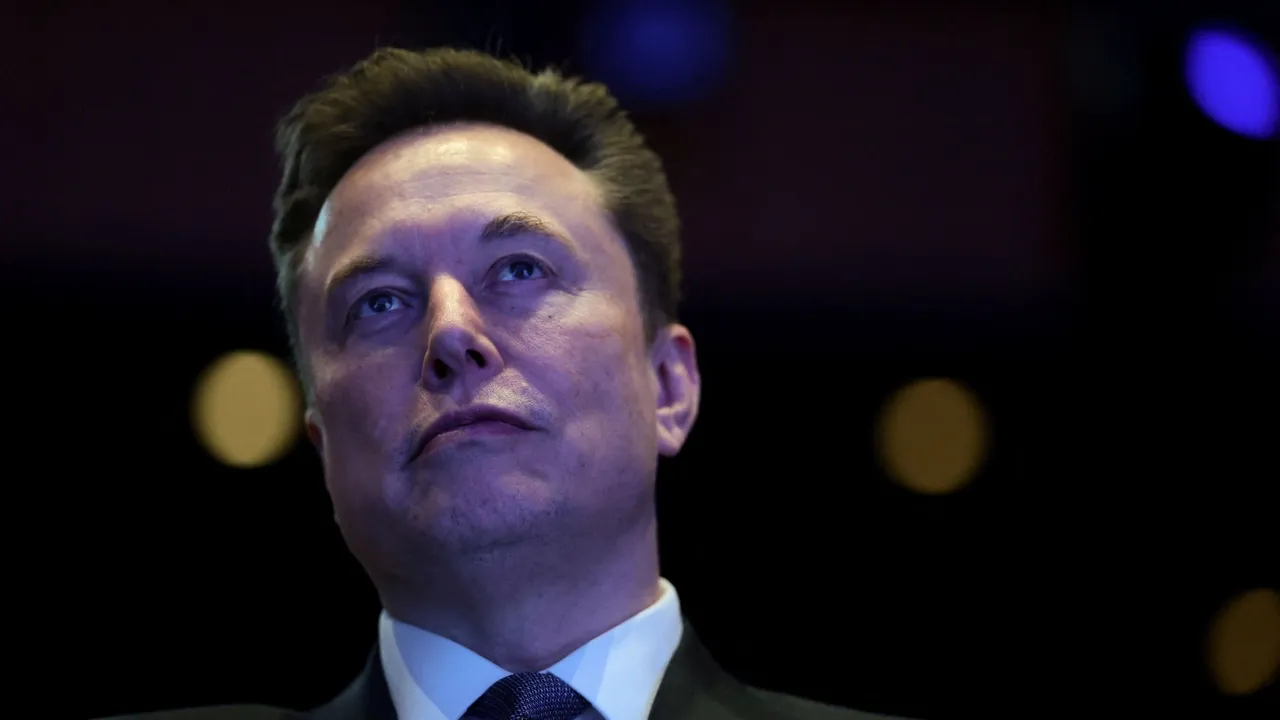
The latest exchange around Terafab makes one thing very clear: Elon Musk is not pitching the project as a vanity move or a direct attempt to replace TSMC in the open foundry market. He is framing it as a capacity response to a problem he believes the current semiconductor ecosystem cannot solve fast enough. In a response shared through X, Musk said Tesla and SpaceX will remain major customers of TSMC, but added that “TSMC just can’t make the staggeringly large number of chips needed,” arguing that Terafab would not be necessary if existing suppliers could keep up.
SpaceX/Tesla will be always be major customers of TSMC and not competitors in the normal sense of the word
— Elon Musk (@elonmusk) April 18, 2026
That comment came after TSMC’s first quarter 2026 earnings call, where chairman and chief executive officer C.C. Wei was asked directly about Terafab. Wei replied that both Intel and Tesla are TSMC customers, while also saying Intel is a formidable competitor that should not be underestimated. He then delivered the broader point that dominates any discussion of new fabs today: there are no shortcuts in chip manufacturing. On the call, Wei said it takes 2 to 3 years to build a new fab and another 1 to 2 years to ramp it up, reinforcing how difficult it is for any new entrant to scale quickly even when demand is overwhelming.
That is the strategic tension at the center of this story. TSMC is essentially saying the fab business is defined by time, discipline, and execution, not by ambition alone. Musk is not really disputing that. Instead, he is saying demand from Tesla, SpaceX, xAI, and related efforts is becoming so large that relying only on external foundries is no longer enough. In that sense, his response does not read like a declaration of war against TSMC. It reads more like an admission that his companies are hitting the limits of what even the best foundry can deliver at the pace he wants.
There is also real evidence that Terafab is moving beyond concept stage. Reuters recently reported that Tesla is recruiting semiconductor engineers in Taiwan for the project, with roles spanning advanced fabrication processes, yield work, process integration, packaging, and chip manufacturing below 7nm. Reuters also reported that the Terafab complex is intended to support multiple chip categories and that the project is targeting first silicon manufacturing in 2029.
Intel’s involvement has added even more weight to the plan. Reuters reported earlier this month that Intel has joined the Terafab initiative, while public posts attributed to Lip Bu Tan described Intel as working with SpaceX, xAI, and Tesla to help accelerate the project’s compute ambitions. At the same time, reporting indicates the exact scope of Intel’s role is still not fully public, which means the partnership is real but not yet fully defined from the outside.
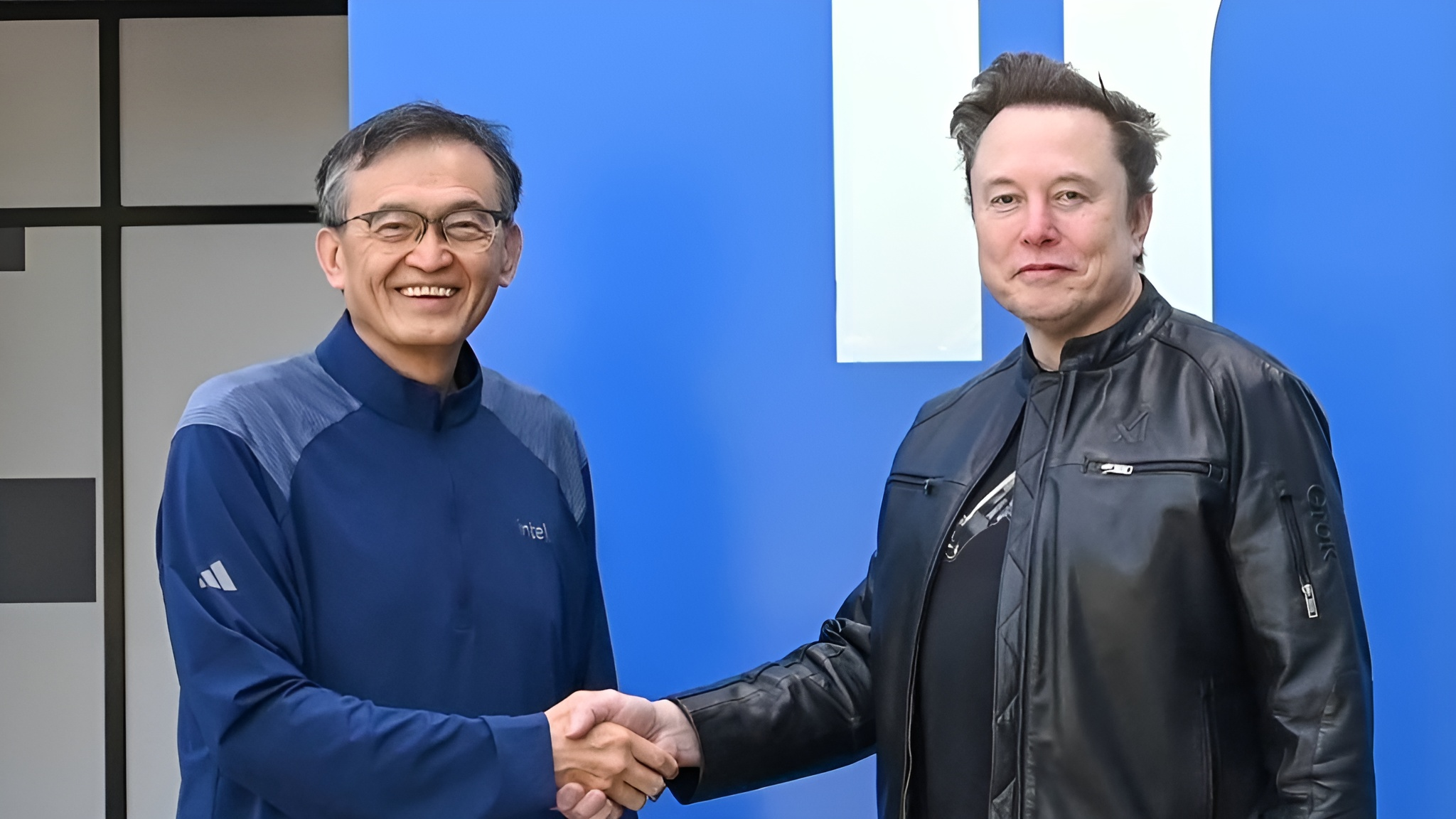
What matters most here is how Musk framed the competitive landscape. He said Tesla and SpaceX are not competitors to TSMC in the normal sense, because Terafab is being built to satisfy internal demand rather than to become a general purpose merchant foundry for fabless chip designers. That is an important distinction. If Musk sticks to that model, Terafab becomes less a TSMC rival in the traditional foundry sense and more an in house manufacturing hedge against a world where AI, robotics, vehicles, and space compute all need far more silicon than today’s supply chain can comfortably provide.
From a market perspective, this is a powerful signal about where demand is heading. TSMC itself told investors that AI related demand remains extremely robust and that capacity will stay tight into 2027, even as it expands aggressively. If Musk is already saying that is not enough for his roadmap, then Terafab should be understood as a bet on sustained structural shortages at the leading edge, not just a short term workaround.
The broader takeaway is simple. TSMC still holds the strongest position in advanced manufacturing, and Musk openly acknowledges that his companies will continue buying from it. But his latest message also suggests that for the biggest AI and compute hungry players, even TSMC’s scale may no longer be sufficient on its own. If that view proves correct, Terafab may end up being less about replacing the current foundry hierarchy and more about surviving the next phase of the silicon bottleneck.
Do you think Terafab is a realistic long term answer to AI era chip shortages, or is this still a scale challenge that only TSMC and a few top foundries can truly handle?
