
ASUS Demos HUDIMM Style DDR5 on ROG Z890 Apex as One Sub Channel Memory Push Gains Momentum for Budget PC Builds
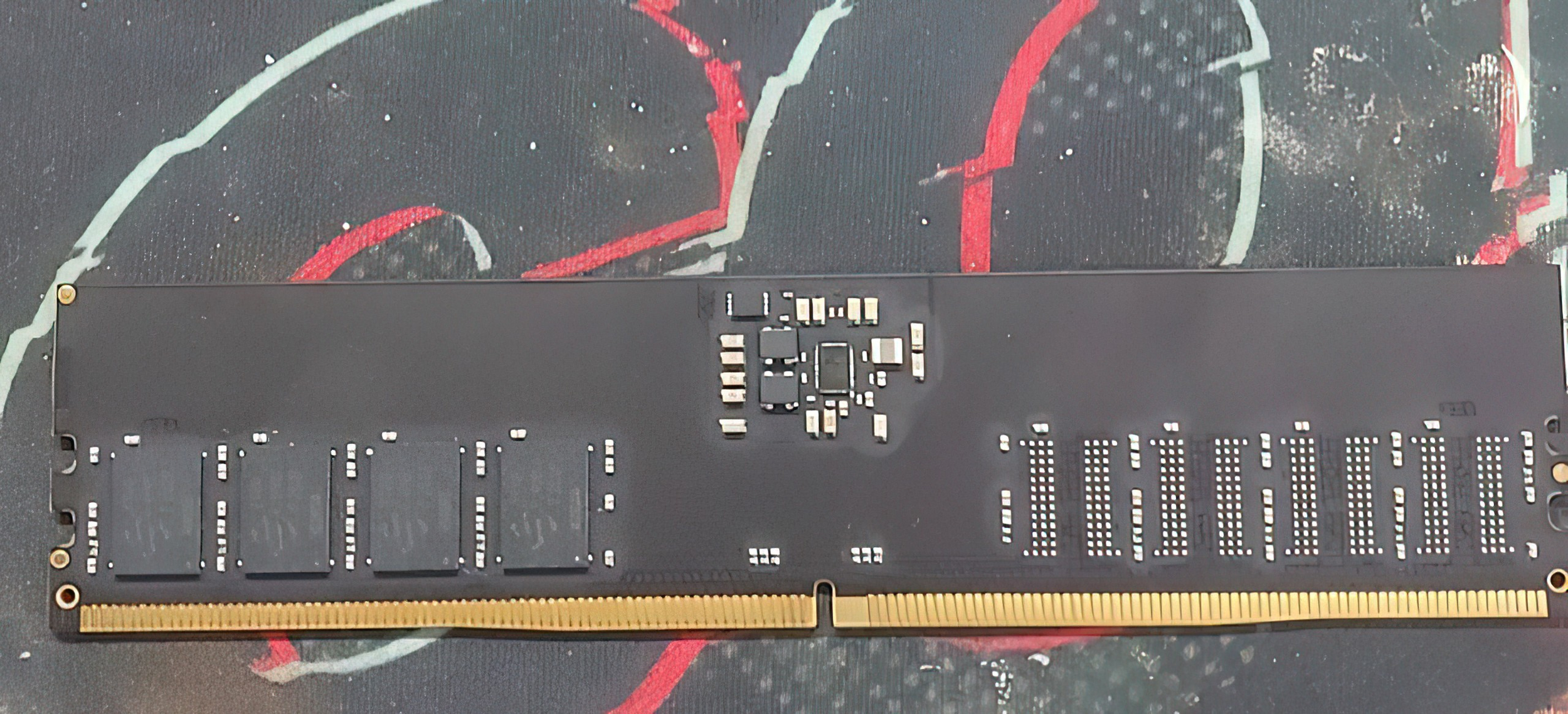
The new HUDIMM conversation is already moving beyond ASRock’s original platform support announcement, with an ASUS ROG motherboard R&D engineer now publicly demonstrating how the concept can work in practice on a ROG Maximus Z890 Apex. In the demo shared by the ROG motherboard R&D engineer, standard DDR5 modules were modified to operate in a one sub channel configuration, effectively cutting usable capacity in half and showing how a 24 GB module can behave like 12 GB and a 16 GB module can behave like 8 GB. Independent reporting on the demo says the system correctly recognized 2 modified 24 GB modules as 24 GB total, or 12 GB plus 12 GB, rather than the original 48 GB.
The broader idea behind HUDIMM is simple but strategically important for the current memory market. Standard DDR5 UDIMMs use a 2 x 32 bit sub channel layout, while the newer one sub channel concept reduces that to 1 x 32 bit, which lowers chip count and reduces populated DRAM banks on the module. ASRock’s official announcement says this approach was co developed with Teamgroup, has support on Intel 600, 700, and 800 series motherboards, and is designed specifically to create a more affordable DDR5 path at a time when memory pricing remains under pressure. Intel’s Robert Hallock also backed the concept publicly, calling it an important step for keeping desktop computing accessible as DDR5 demand and costs continue to rise.
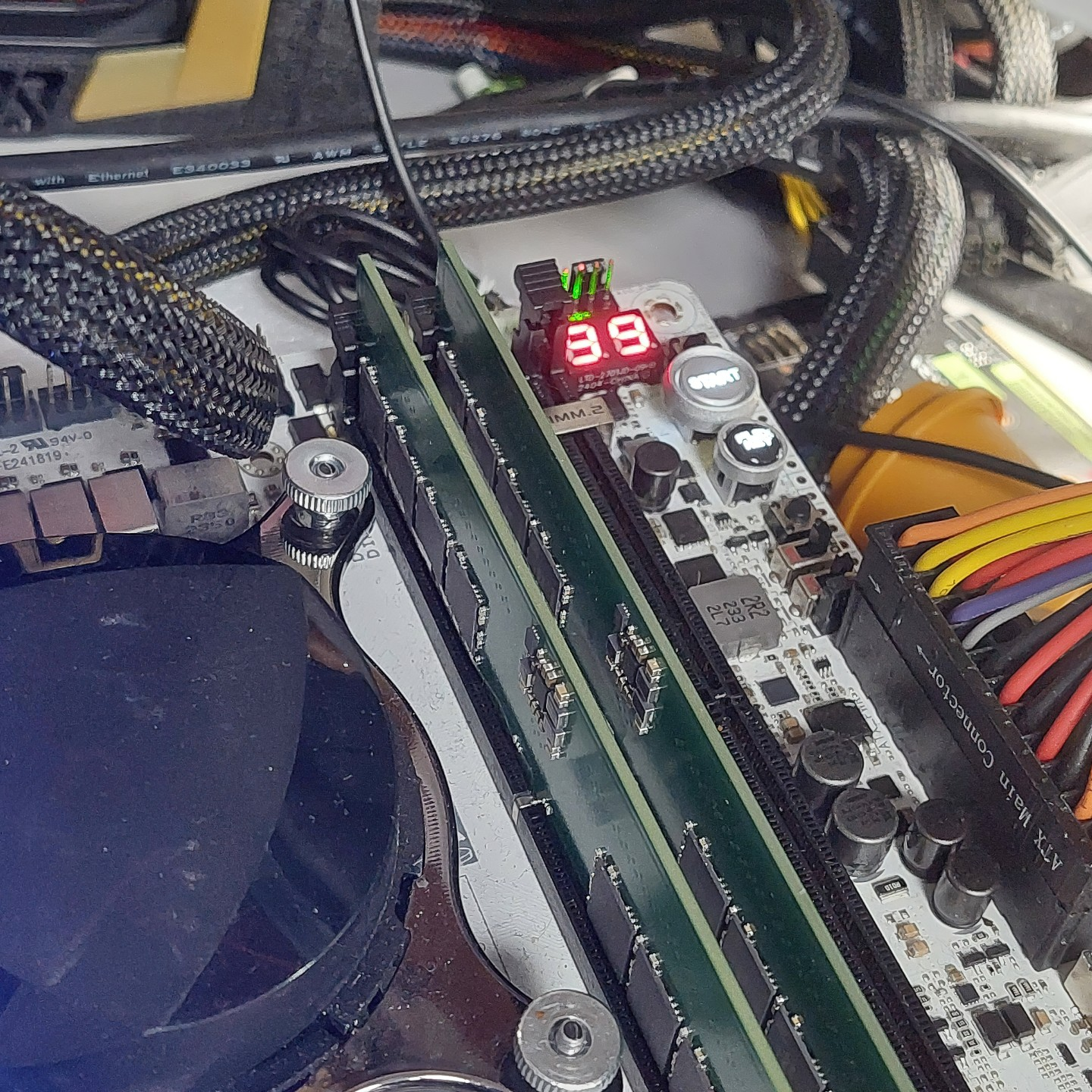
What makes the ASUS side of the story interesting is that this was not just a polished vendor slide or a lab only specification claim. The demonstration reportedly showed that simply masking part of a module’s contact edge can force a DDR5 stick into one sub channel operation, which in turn reduces accessible capacity without preventing the board from booting. Reporting on the test also says the engineer had access to a Teamgroup 8 GB HUDIMM module with only 4 DRAM ICs populated instead of 8, and that the module posted successfully at DDR5 4800 MT/s, which is the baseline JEDEC speed for DDR5. That does not automatically mean broad retail rollout is imminent, but it does suggest the concept is not just theoretical.
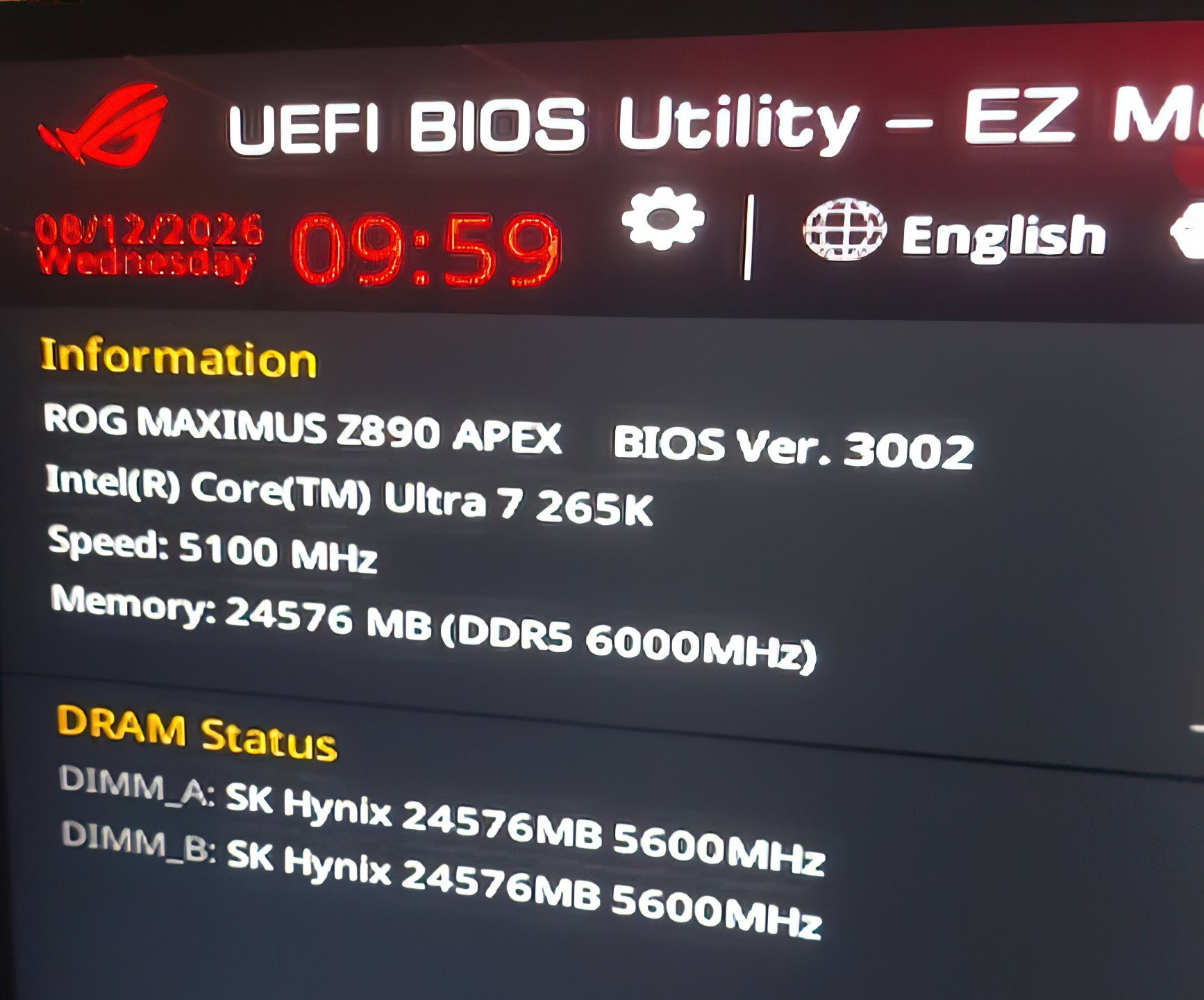
The practical value here is cost efficiency. For many entry level builders, a full capacity DDR5 kit is still more expensive than it should be, especially if the target machine is a mainstream gaming system or basic productivity build. A one sub channel module changes that equation by reducing chip population and total capacity while still keeping the builder inside the DDR5 ecosystem. ASRock has already argued that mixed configurations can work well too, citing internal testing where 8 GB one sub channel memory plus 16 GB standard DDR5 delivered higher bandwidth than a single 24 GB standard DDR5 module on its own supported platform. That makes HUDIMM less about raw enthusiast performance and more about opening a cheaper and more flexible upgrade ladder.
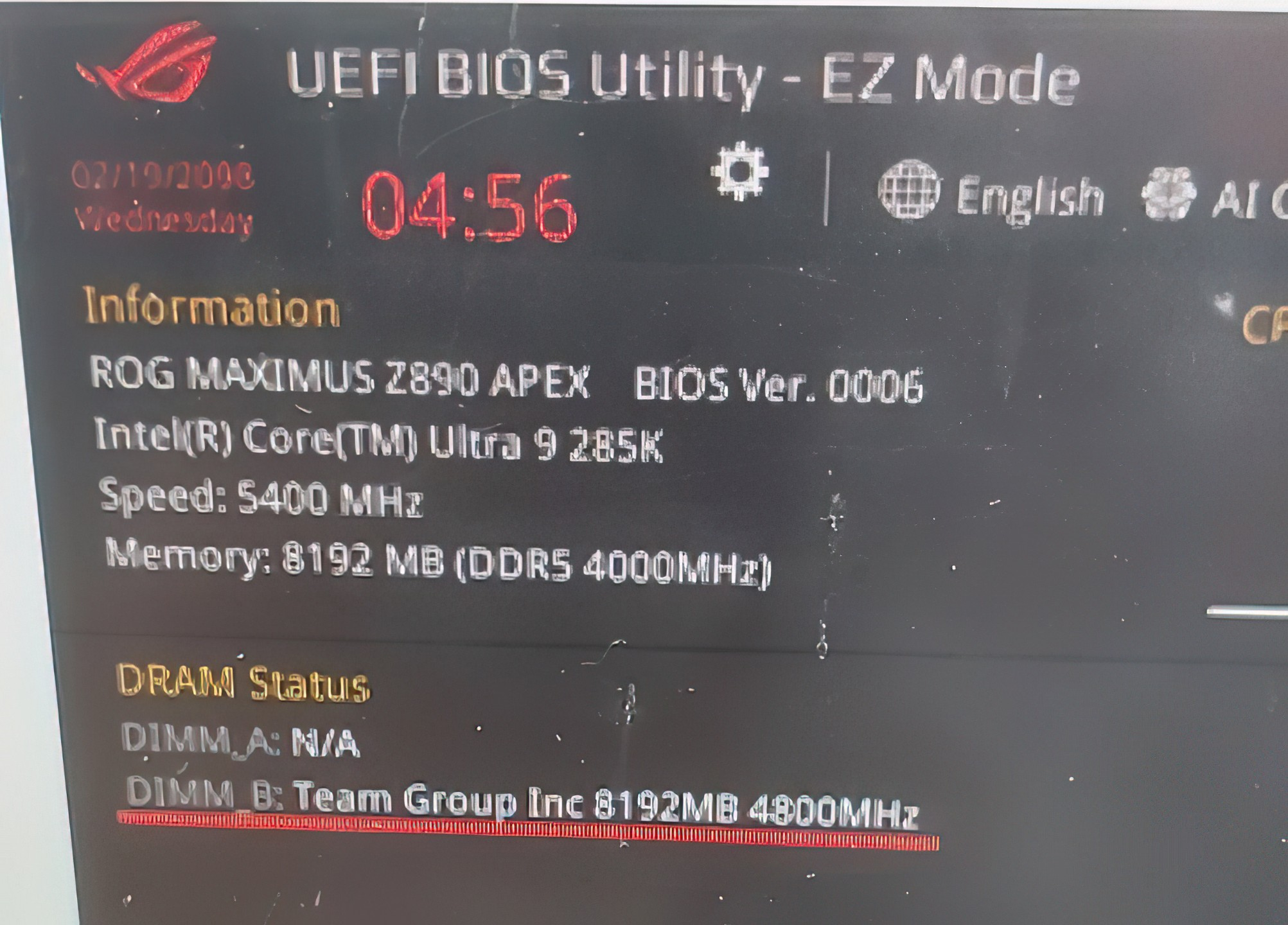
There is still an important distinction to make here. ASUS has not issued a formal standalone product announcement for its own HUDIMM ecosystem in the way ASRock has. What we have right now is a visible demonstration on a high end ROG board that shows the compatibility concept is wider than one vendor’s marketing pitch. That alone matters, because if more motherboard makers validate the approach, HUDIMM or HUDIMM style memory could move from curiosity to actual budget segment standard much faster.
For budget builders, this is one of the more practical memory developments to watch this year. The market does not always need faster and more expensive kits. Sometimes it needs a smarter way to cut unnecessary cost without abandoning the current platform generation. If one sub channel DDR5 gains traction across more boards and more memory vendors, it could become one of the quiet but genuinely useful changes in the DDR5 era.
Do you think one sub channel DDR5 like HUDIMM could become a real mainstream budget option, or would most builders still rather wait for full capacity DDR5 prices to fall?
