
Intel’s Entry Level Wildcat Lake CPUs to Receive a Refresh With Up to Eight Core Options
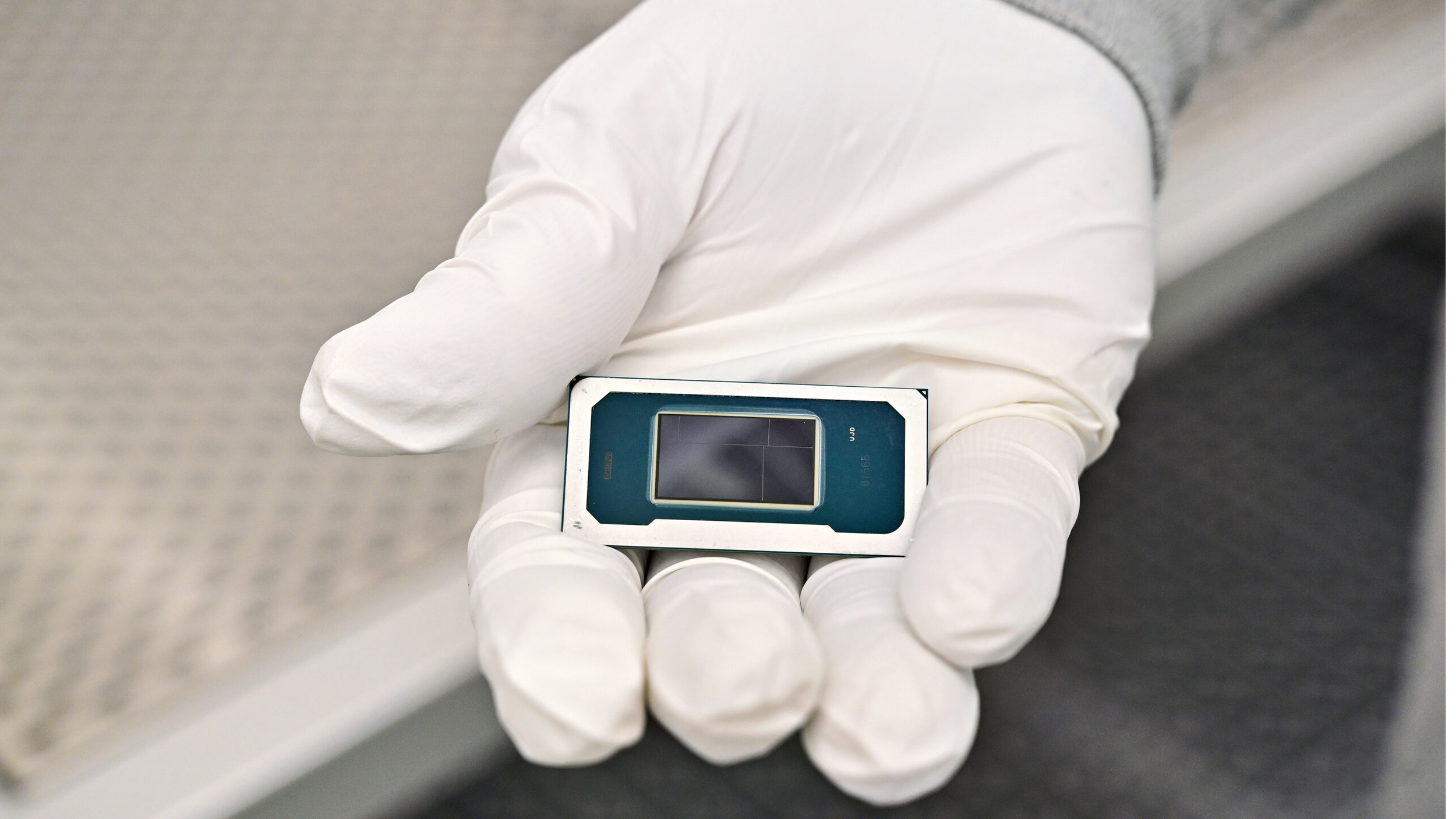
Intel is expanding its next generation low power portfolio with the upcoming Wildcat Lake processors, a family of entry level CPUs designed for budget desktops, compact systems, and lightweight notebooks. These chips are positioned to launch near the Panther Lake Core Ultra Series 3 lineup and will share several architectural elements including Cougar Cove performance cores, Darkmont efficiency cores, and integrated Xe3 graphics.
Although the first wave of Wildcat Lake CPUs has yet to reach the market, new information regarding their refresh has already surfaced. According to reliable industry watcher @jaykihn0 on X, Intel is preparing a Wildcat Lake Refresh lineup that is expected to arrive in 2027. This refreshed family will introduce at least one higher specification configuration.
The current Wildcat Lake processors under the Core Series 3 branding are expected to launch with a 2+0+4 layout consisting of two Cougar Cove performance cores, no low power Atom cores in the middle tier, and four low power efficiency cores. These CPUs will include a compact Xe3 integrated GPU with two Xe cores.
Wildcat Lake Refresh will contain both 2+0+4 and 4+0+4 WCL configurations.
— Jaykihn (@jaykihn0) December 1, 2025
Wildcat Lake only contains 2+0+4.
The planned Wildcat Lake Refresh, however, is expected to introduce a new configuration with a 4+0+4 layout. This upgrade would provide four performance cores and four low power efficiency cores, effectively doubling the performance core count compared to the initial release. Details on graphics performance remain undisclosed, but Intel could choose to enhance the Xe3 configuration for the higher end SKU.
Intel’s first generation of Wildcat Lake processors will feature two Xe3 cores with two ray tracing units and XMX acceleration, though early reports indicate ray tracing support will not be enabled in this entry level family. It remains to be seen whether the refresh will adjust this configuration.
Another major architectural highlight is that Wildcat Lake adopts a chiplet design rather than a monolithic layout. This allows Intel to create a more efficient architecture for low power and cost sensitive devices. The processors will support Thunderbolt 4, LPDDR5X and DDR5 memory, and up to forty TOPS of artificial intelligence compute across CPU, GPU, and NPU resources. This breaks down into four TOPS from the CPU, eighteen TOPS from the GPU, and eighteen TOPS from the neural processing unit.
Wildcat Lake CPUs will use the compact BGA 1516 package, making them considerably smaller and more economical than Panther Lake H processors which use the larger BGA 2540 package. This approach targets lower cost devices and enables thinner and more efficient system designs.
Intel is expected to launch the first Wildcat Lake processors in the first half of 2026. Based on the current roadmap, the Wildcat Lake Refresh is slated for 2027, likely timed around the CES showcase of that year.
The entry level segment has become increasingly competitive as AMD, Qualcomm, and ARM based designs target low power and lightweight markets. Intel’s expanded Wildcat Lake roadmap suggests the company intends to strengthen its presence with higher core count options and chiplet based efficiency improvements.
Do you think Intel’s Wildcat Lake Refresh will make entry level systems significantly more capable, or is efficiency more important than core count in this segment
