
NVIDIA Feynman GPUs Set to Adopt TSMC A16 One Point Six Nanometer Process Technology
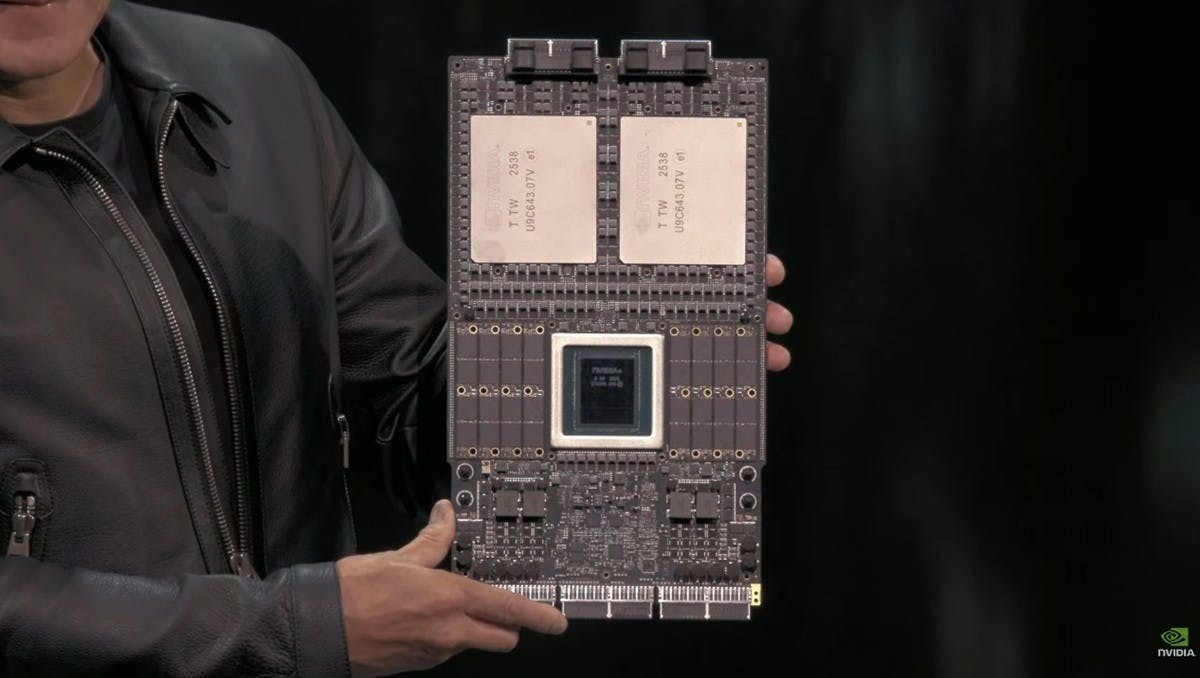
According to a new report from DigiTimes, NVIDIA is not only the first customer but currently the exclusive customer for TSMC’s next generation A16 process technology. This cutting edge one point six nanometer node will serve as the foundation for NVIDIA’s future GPU families, most notably the Feynman series that is positioned to succeed the Rubin lineup scheduled for 2026 and Rubin Ultra for 2027.
As global demand for AI compute accelerates, NVIDIA is ramping production of Blackwell Ultra while simultaneously pressing TSMC to accelerate development of its P3 fabrication plant in Kaohsiung. This facility will be essential for mass production of Rubin GPUs, which will shift from the four nanometer 4NP process used by Blackwell to TSMC’s three nanometer family. Industry estimates suggest that TSMC’s three nanometer output may reach one hundred sixty thousand wafer units by the end of this year, a level of capacity that aligns with NVIDIA’s aggressive roadmap.
This timeline is supported by statements from Jensen Huang during GTC United States 2025, where he confirmed that Vera Rubin Superchips are scheduled for production in 2026, with shipments possible as early as the third quarter of that year. With Rubin anchored on the three nanometer N3P process, NVIDIA’s transition to A16 for Feynman will represent a major architectural leap.
Industry sources indicate that TSMC’s A16 process is being built around NVIDIA’s long horizon requirements. The P3 plant is planned to enter mass production in 2027, specifically aligned with NVIDIA’s Feynman development cycle. After Apple transitions into the two nanometer product generation, analysts expect that Apple may skip A16 entirely and move directly to the A14 node, further reinforcing NVIDIA’s unique relationship with TSMC.
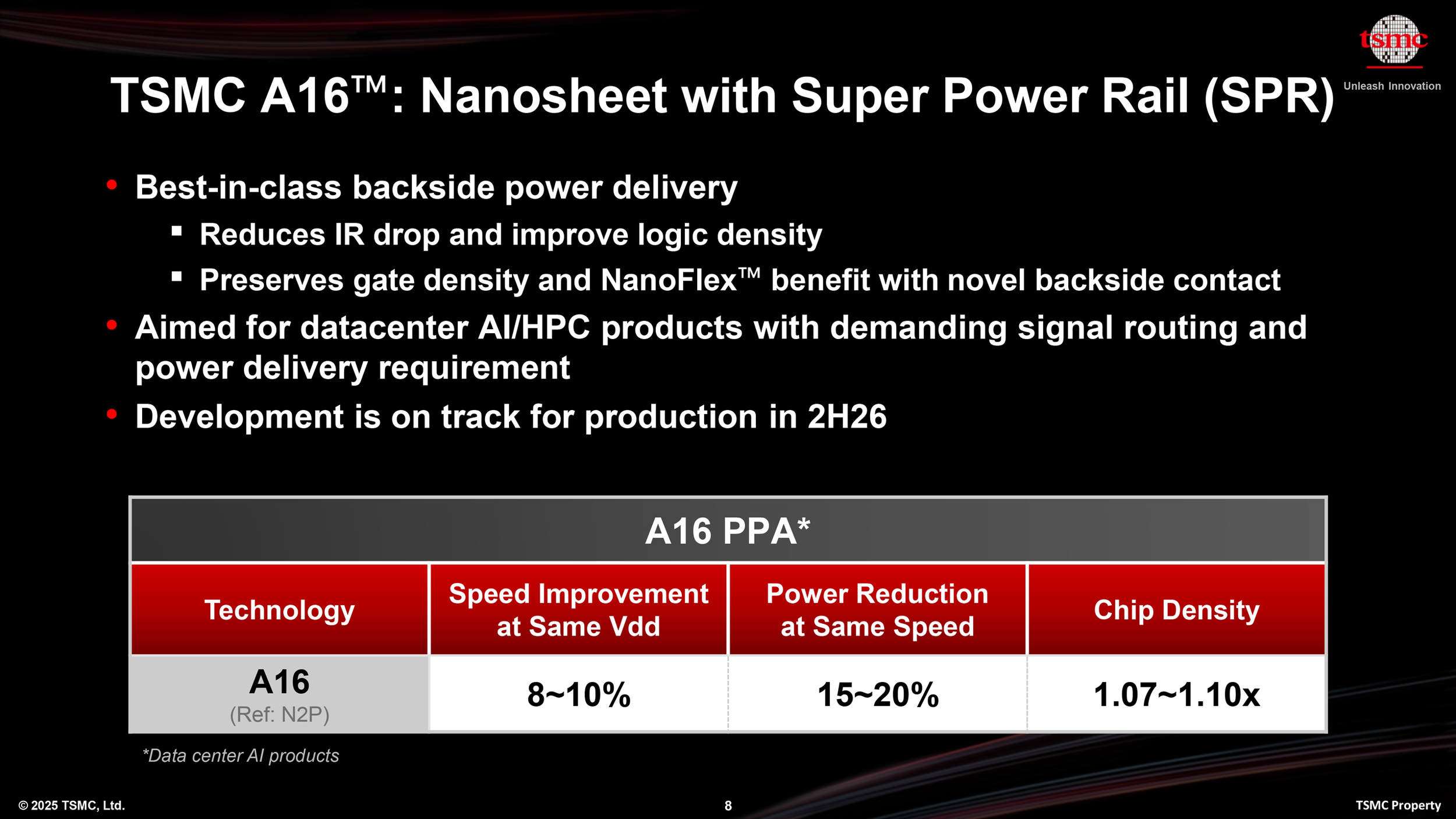
TSMC’s A16 technology page lists several key improvements over the N2P node, including:
Eight to ten percent higher performance
Fifteen to twenty percent lower power consumption
Seven to ten percent higher chip density
For NVIDIA, moving from N3P on Rubin to A16 on Feynman represents a major uplift before architectural enhancements are even considered. A16 also incorporates nanosheet transistors with Super Power Rail technology, a specialized backside power delivery system designed to improve performance and efficiency for AI and high performance compute markets. The A16 process is expected to reach production readiness in the second half of 2026.
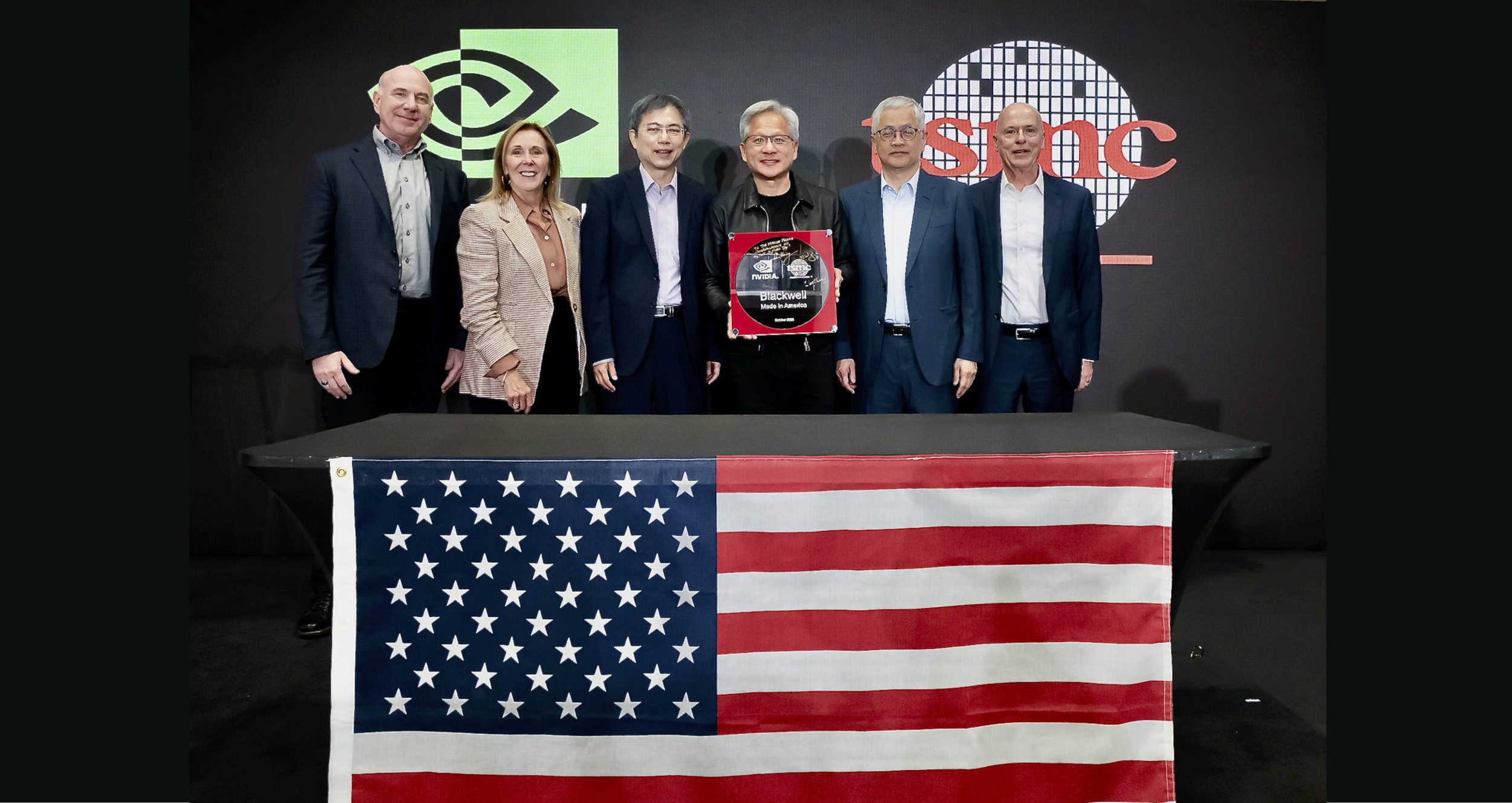
NVIDIA’s long standing collaboration with TSMC continues to deepen as both companies align on AI infrastructure needs. The firms recently celebrated the production of the first Blackwell wafer manufactured in the United States, a milestone highlighted by NVIDIA’s official announcement. Ongoing discussions between the two companies suggest even closer coordination to address global supply constraints, particularly as competitors accelerate their own AI chip programs.
With rising competition from AMD, Microsoft, Google, and other hyperscale firms developing custom silicon, NVIDIA’s forward looking process strategy will play a crucial role in maintaining its position. The next decade will reveal whether the explosive growth of artificial intelligence becomes a stable long term pillar of the technology industry or experiences a plateau similar to previous demand cycles.
Do you think NVIDIA’s early adoption of TSMC A16 will help maintain its leadership in AI compute, or will growing competition challenge the company more aggressively than before
