
Intel Reportedly Brings On Package Memory Back With Razor Lake AX to Challenge AMD’s Future Halo Class APUs
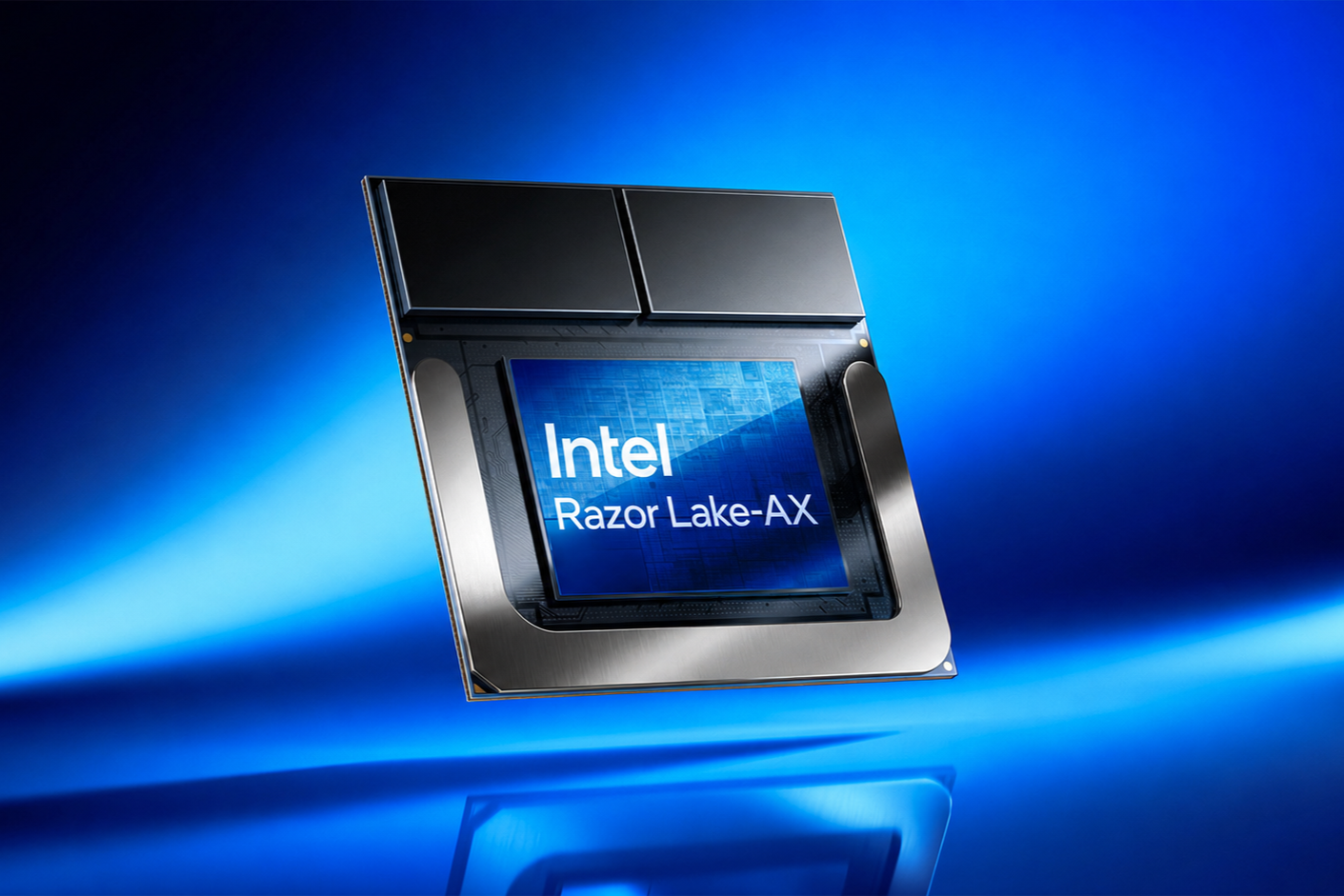
Intel could be preparing to bring on package memory back to a more performance focused client design with the rumored Razor Lake AX family, a move that would mark a notable return to a packaging strategy the company used in Lunar Lake. The new claim comes from leaker Haze2K1 on X, where Razor Lake AX was described as using on package memory and positioning itself against AMD’s future Halo class chips. At this stage, Intel has not officially announced Razor Lake AX, so this should be treated as roadmap rumor rather than confirmed product guidance.
Razor Lake-AX uses on-package memory
— Haze (@Haze2K1) May 11, 2026
What gives the report real technical interest is the memory angle. Intel officially used on package memory in Lunar Lake, which the company positioned around efficiency, graphics gains, and AI compute in thin and light systems. That makes the Razor Lake AX rumor believable at a high level, because Intel already has recent experience with the approach even if it did not carry that design choice across every later client family.
The bigger question is what kind of memory Intel would pair with a 2028 class SoC. The rumor does not specify the standard, but LPDDR6 is the most logical long range candidate if Razor Lake AX is indeed targeting a larger integrated graphics and AI heavy mobile design. JEDEC published the first LPDDR6 standard in July 2025, and industry reporting in 2026 indicates the roadmap is already being expanded with new features aimed not only at mobile devices but also at data center and accelerated computing use cases. That makes LPDDR6 a sensible fit for any future high bandwidth client design built around a large integrated GPU.
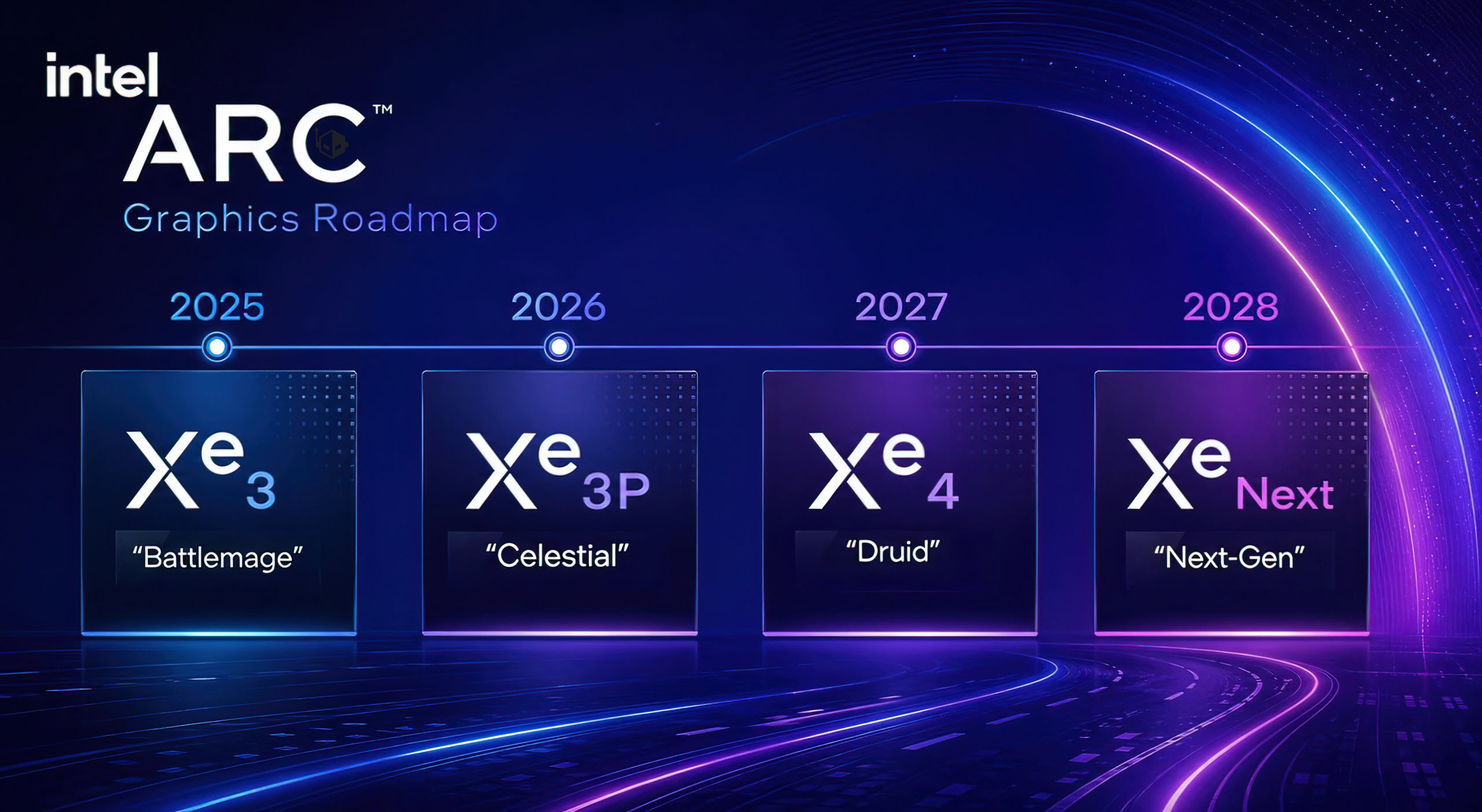
From a market perspective, the rumored target also lines up. Multiple reports framing the leak describe Razor Lake AX as Intel’s answer to AMD’s Halo style products, which today are associated with large integrated graphics, high memory bandwidth, and premium mobile systems. AMD has not officially detailed a Medusa Halo product line yet, so that part remains speculative as well, but the broader competitive direction makes sense. Both companies are pushing toward more powerful SoCs where memory placement and bandwidth matter almost as much as raw CPU design.
If Intel does go this route, the strategic play is clear. On package memory can reduce board complexity, improve power behavior, and help feed a much larger integrated GPU than a conventional laptop platform might support as efficiently. The tradeoff, of course, is flexibility. Lunar Lake already showed the downside of this direction, since packaged memory reduces user upgradeability and can complicate product economics. That is part of why any return to the concept would likely need a very specific premium use case rather than a broad rollout across all mobile tiers.
For now, the smartest read is that Razor Lake AX is an interesting rumor with a technically credible foundation, but not something that should be treated as locked. Intel has proven it can build client chips with on package memory. LPDDR6 is real and moving forward as a next generation standard. What remains unconfirmed is whether Intel will combine those pieces in Razor Lake AX, how aggressive the GPU side will be, and how directly the company intends to go after AMD’s future Halo class designs. Until Intel says more, this remains one of the more intriguing long term client chip rumors on the board.
Do you think on package memory is the right move for premium gaming and AI laptops, or would you still rather keep upgradeable memory even if it costs some efficiency?
