
Gloway And KingBank Shift To China Made 24 Gb DDR5 Chips For New 48 GB Kits
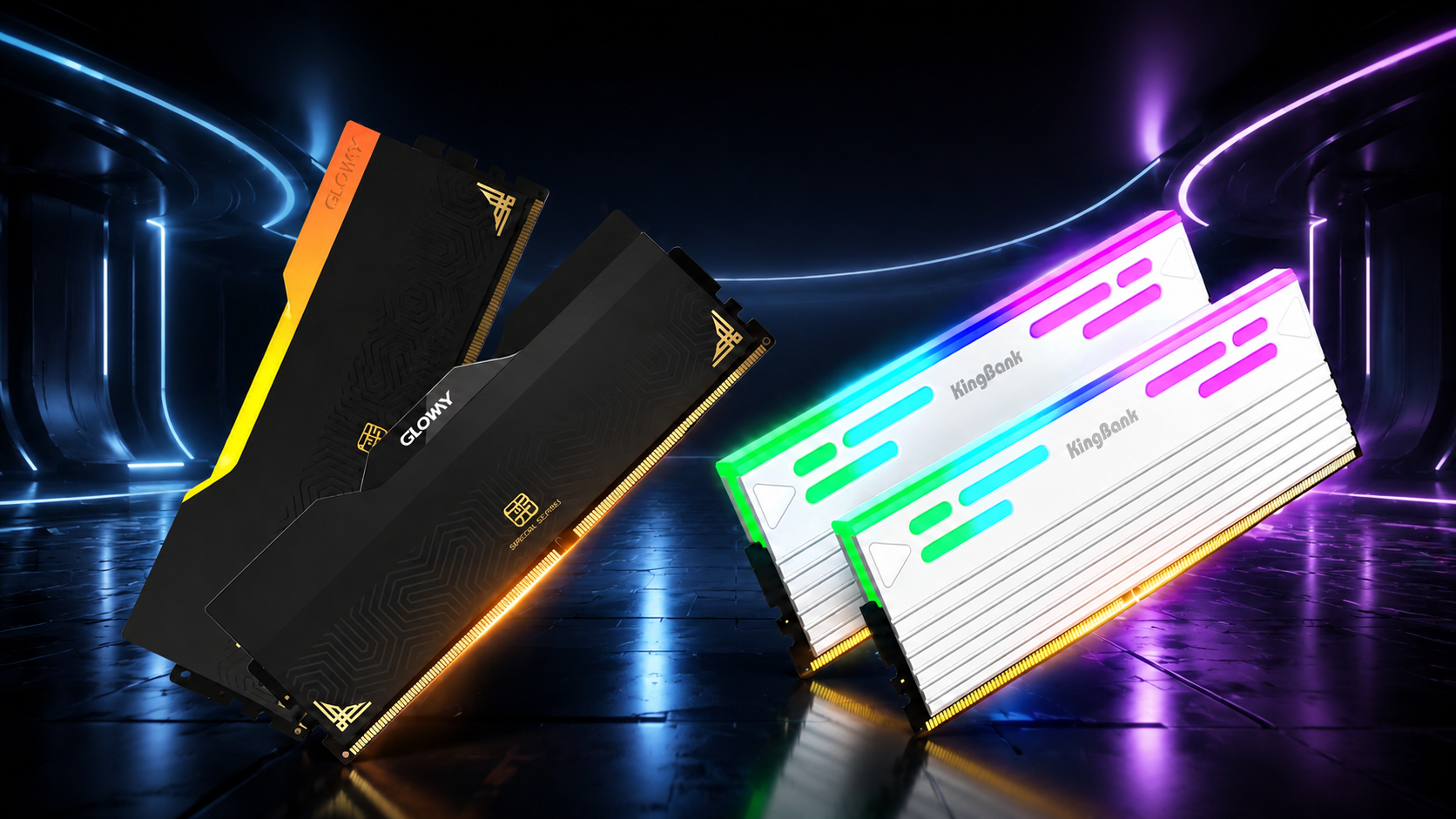
Gloway and KingBank are moving into a new phase of DDR5 memory production with 48 GB desktop kits built around domestically produced 24 Gb DRAM chips from China, signaling a more visible challenge to the long standing dominance of Samsung, Micron, and SK hynix in consumer memory supply. The new 2x 24 GB DDR5 kits show how Chinese memory vendors are beginning to use larger locally produced DRAM chips to target gamers, creators, and PC builders looking for a practical middle ground between 32 GB and 64 GB.
Gloway and KingBank have announced new DDR5 desktop memory modules using domestically produced 24 Gb DRAM chips from China, according to IT Home. The development is notable because consumer DDR5 kits have traditionally depended heavily on memory chips from Samsung, Micron, and SK hynix, especially for higher capacity and higher performance modules.
Gloway’s new product is the Longwu Yi Special Edition DDR5 memory kit. It uses a 2x 24 GB configuration for a total capacity of 48 GB, running at 6000 MT/s with CL36 38 38 80 timings and 1.25 V operating voltage. The kit also uses a custom Yi series heat spreader design, limited edition surface treatment, and 5 W/mK thermal pads to support better heat transfer.
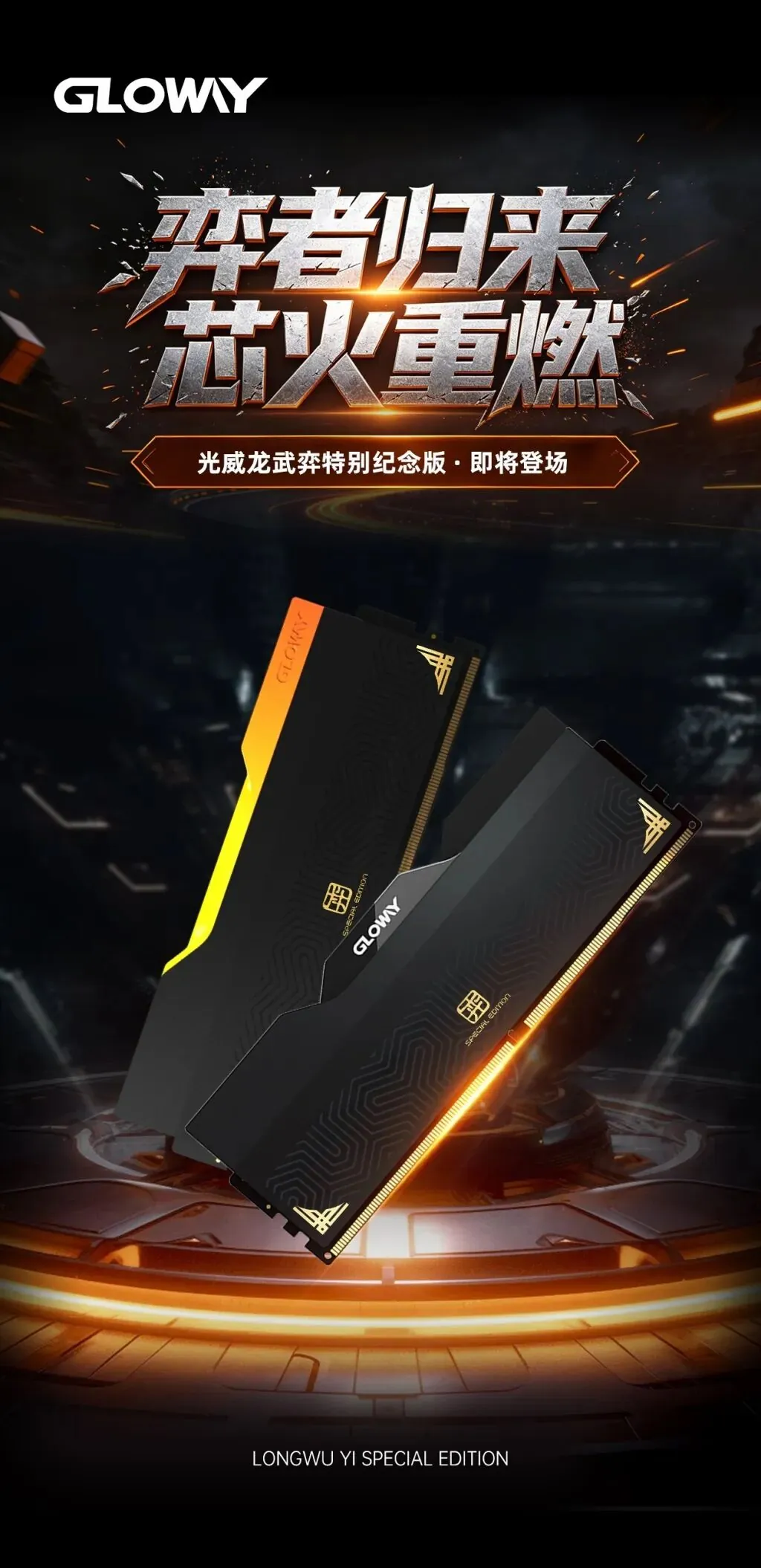
The module is optimized for AMD platforms, which makes the kit especially relevant for Ryzen gaming PCs and creator builds where 48 GB has become an increasingly practical capacity. For many users, 32 GB is still workable, but heavier multitasking, game capture, content editing, browser workloads, and AI assisted tools are making 48 GB more attractive.
KingBank is also entering the same segment with its Star Blade RGB DDR5 series. The kit uses the same 2x 24 GB structure for a total of 48 GB, but adds a more gaming focused visual design with dual sided RGB lighting and 16 LED elements. The KingBank modules also include 2 mm thick heat spreaders and thermal interface material covering the PMIC. That detail matters because DDR5 power management is handled on the module itself, making PMIC cooling more important for stability and sustained performance.
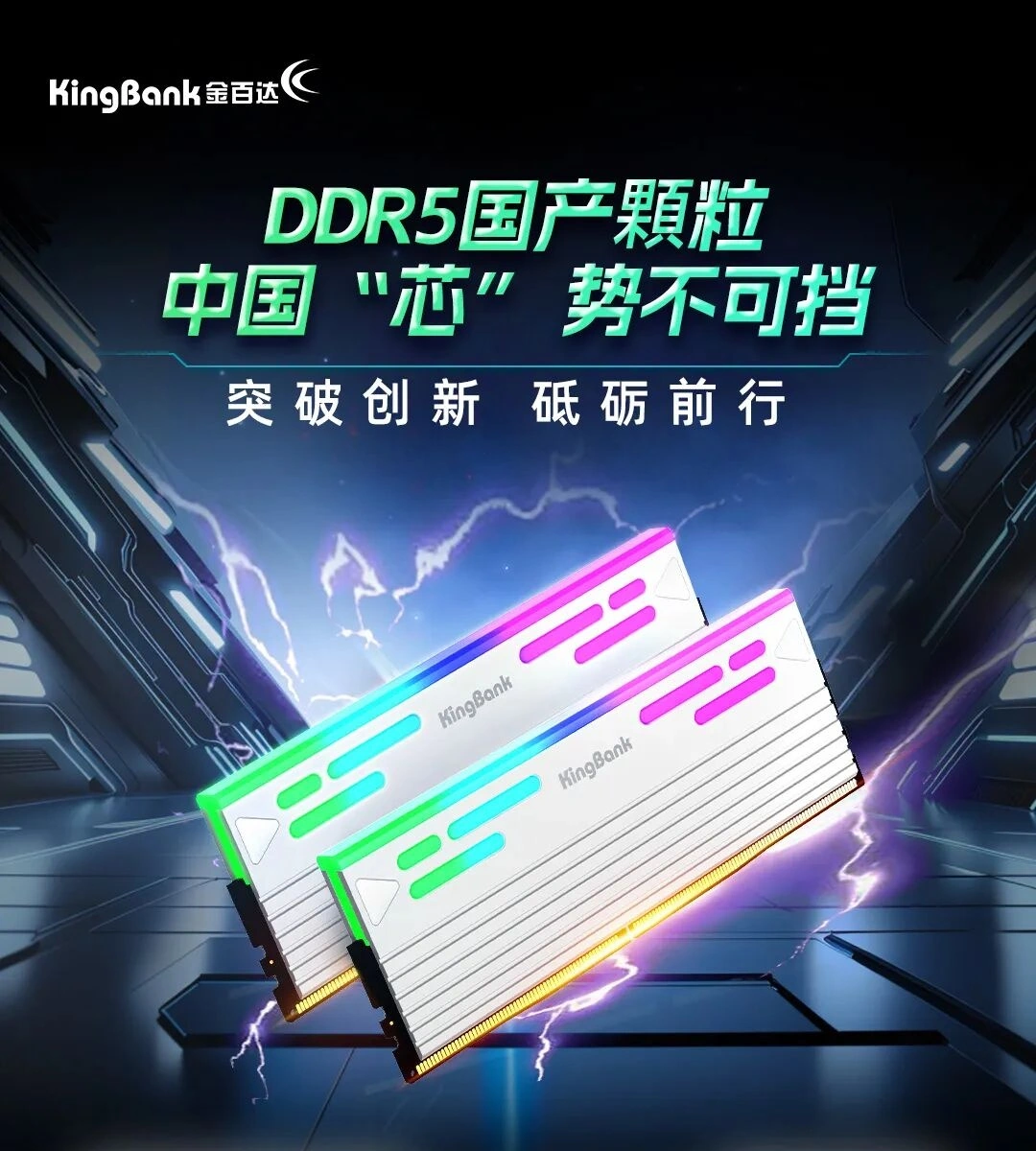
Both Gloway and KingBank are using an 8 die layout to reach 24 GB per module. This is the key technical point behind the story. Instead of using traditional 16 Gb chips to build 16 GB modules or 32 Gb chips to build 32 GB modules, these kits use 24 Gb chips to create a more flexible 24 GB module capacity.
The 48 GB DDR5 kit format has become increasingly relevant because it gives PC builders a cleaner upgrade path between mainstream and high capacity memory tiers. For gaming alone, 32 GB remains enough for many systems, but 48 GB gives more breathing room for streaming, video editing, content creation, productivity apps, virtual machines, and heavier browser workloads.
It also avoids the higher cost of moving directly to 64 GB. That matters in the current memory market, where DDR5 prices remain under pressure from tight supply, AI infrastructure demand, and the shift of production capacity toward HBM and higher margin server products.
We recently covered how AMD expects DDR5 memory prices to stay elevated for around 2 more years, a warning that adds more context to why alternative DRAM sources are gaining attention. If Chinese memory suppliers can scale higher density DDR5 production, they could eventually add more competitive pressure to the consumer memory market.
A Bigger Signal For Chinese DRAM
This announcement also builds on a broader trend. Chinese DRAM has been appearing more visibly in the global component chain, including previous reports of Corsair DDR5 modules being spotted with CXMT Chinese DRAM chips. While IT Home does not identify the exact chip supplier behind the Gloway and KingBank modules, the use of domestically produced 24 Gb DDR5 chips is still an important milestone.
The larger market implication is not immediate price disruption. Samsung, Micron, and SK hynix still dominate global DRAM production, validation ecosystems, and high performance binning at scale. However, local 24 Gb DDR5 adoption by Chinese brands shows that the domestic supply chain is becoming more capable and more commercially visible.
That connects with another major market discussion covered by Duck IT Tech News, where China DRAM expansion could help ease DDR5 price pressure by 2027. If production capacity, yields, compatibility, and long term quality continue improving, Chinese DRAM could become a more serious factor in both regional and global memory pricing.
This is not just another 48 GB DDR5 kit announcement. It is a supply chain story.
Gloway and KingBank using China made 24 Gb DDR5 chips shows that Chinese memory vendors are no longer only competing through heat spreader design, RGB lighting, or aggressive pricing. They are starting to move deeper into the memory value chain by adopting locally produced DRAM chips in consumer desktop products.
For gamers and builders, the real impact will depend on validation, motherboard compatibility, overclocking behavior, warranty confidence, and how these kits perform against established Samsung, Micron, and SK hynix based modules. The specifications look practical, especially for AMD systems, but reliability and scale will determine whether this becomes a niche regional product or part of a broader DDR5 market shift.
The timing is also important. DDR5 supply remains tight, prices are elevated, and more buyers are looking for cost effective capacity upgrades. A stable 48 GB kit using domestically produced 24 Gb chips could become a smart option for creators and gamers who need more than 32 GB but do not want to pay for 64 GB.
For now, this is an early but meaningful signal. The global DRAM market will not change overnight, but the direction is clear: more competition is coming, and China wants a larger role in the DDR5 ecosystem.
Would you consider buying a 48 GB DDR5 kit built with China made DRAM chips, or would you still prefer modules based on Samsung, Micron, or SK hynix chips?
