
AMD Says DDR5 Memory Prices May Stay High for Another 2 Years
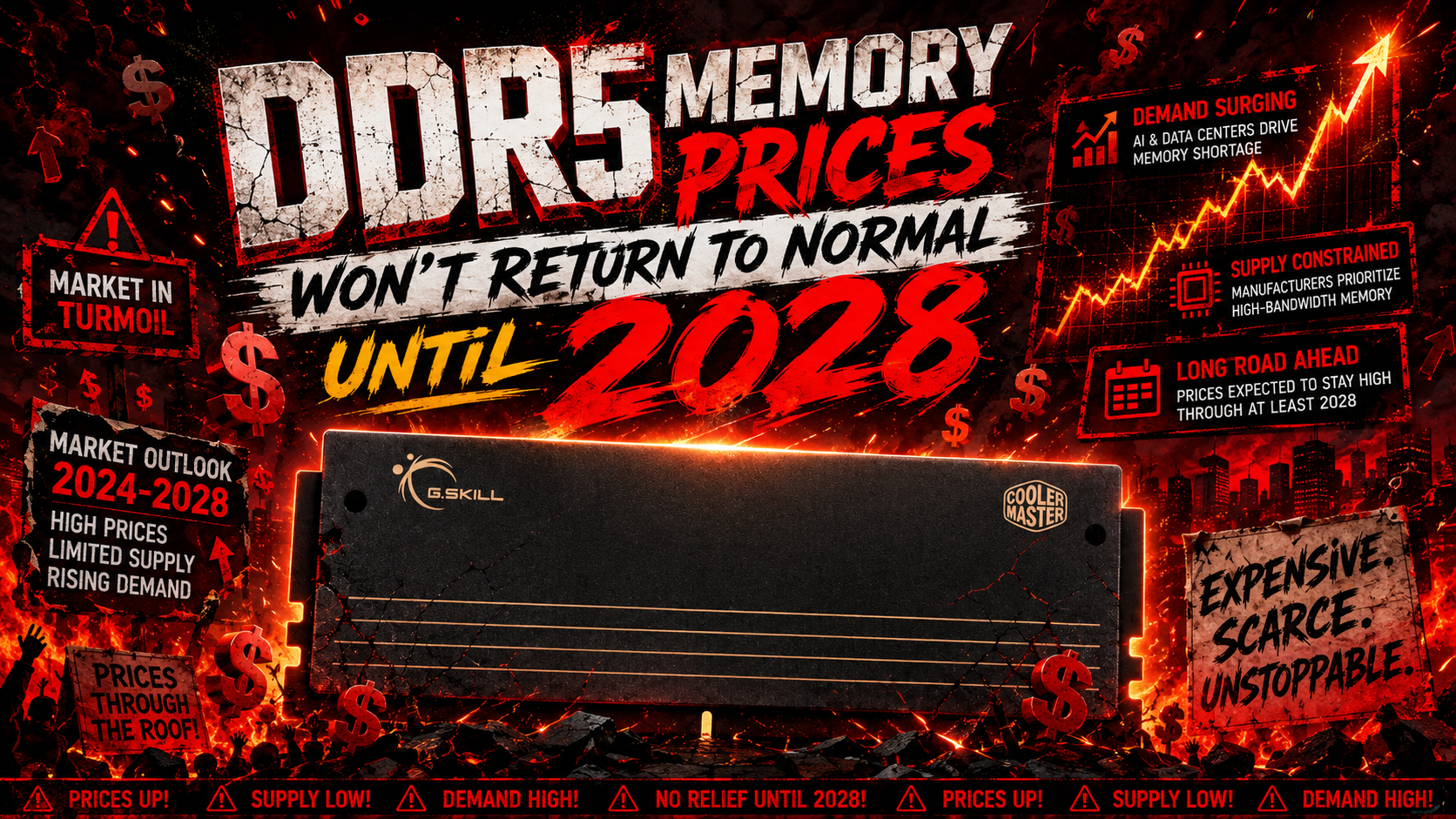
AMD’s VP and GM of Client Channel Business, David McAfee, has warned that DDR5 memory prices may remain significantly higher than normal for roughly another 2 years, adding more pressure to PC gamers, system builders, and hardware buyers already dealing with one of the most difficult memory markets in recent years.
According to an interview with 4Gamers, McAfee expects the DDR5 supply and demand situation to normalize in around 2 years. That outlook lines up with previous reports suggesting that DDR5 pricing pressure may continue through 2026 and 2027 before meaningful relief reaches the mainstream market.
The biggest factor behind the price surge is the ongoing AI boom. Major memory suppliers have been shifting capacity toward high demand segments, including server, data center, AI infrastructure, and next generation memory products. As AI companies continue buying massive amounts of memory, mainstream PC users are left competing in a much tighter supply environment.
This has also affected DDR4. As manufacturers shifted production priorities from DDR4 to DDR5, DDR4 capacity has gradually declined. Under normal market conditions, older memory would usually become cheaper as platforms mature. Instead, DDR4 has also become more expensive because demand has increased while production has become less of a priority.
The result is an unusual market where both DDR5 and DDR4 are under pressure at the same time. DDR5 remains the current standard for modern platforms, but its price has climbed sharply in many regions. Some reports indicate that DDR5 kits are selling at 4 to 5 times higher than previous pricing levels, creating a major obstacle for new PC builds and upgrades.
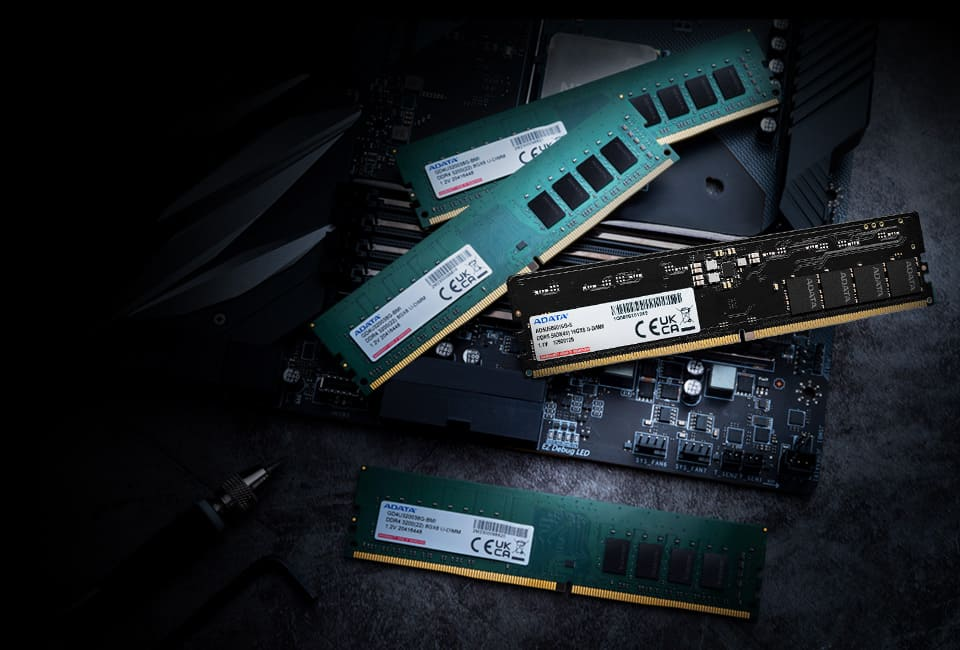
For gamers, this has changed the value calculation of building a new PC. A modern DDR5 platform still offers better upgrade potential, stronger support for new CPUs, and access to the latest motherboard ecosystems. However, when memory prices rise this sharply, many buyers are forced to reconsider older DDR4 platforms that may still deliver strong gaming performance at a lower total system cost.
That is why DDR4 based platforms remain popular in several markets. Even though DDR4 prices have also increased by around 2 to 3 times in some regions, many users still see older platforms as the more realistic option when building budget gaming PCs. Demand for DDR4 memory and DDR4 compatible motherboards has remained strong, especially among users trying to avoid the full cost of a new DDR5 setup.
This trend has also helped extend the life of AMD’s AM4 ecosystem. Processors such as the Ryzen 7 5800X3D remain highly respected among gamers because they can deliver excellent gaming performance on older motherboards with DDR4 memory. In a market where DDR5 prices are still inflated, strong AM4 builds continue to make sense for many players.
For AMD, Intel, motherboard makers, and memory brands, the next 2 years may be difficult to navigate. New platforms need DDR5 adoption to keep growing, but high memory prices can slow upgrades and push buyers toward older hardware. That can affect CPU sales, motherboard demand, system integrators, and the broader DIY PC market.
Memory manufacturers are already expanding production capacity, but fab expansions take time. Even if suppliers are investing now, the benefits will not reach the market immediately. McAfee’s 2 year estimate suggests that the industry may not see a healthy balance between supply and demand until the end of this cycle.
The situation also arrives at a sensitive time for the gaming hardware market. New GPUs, new CPUs, AI PCs, handheld gaming systems, and next generation consoles are all competing for memory, storage, and advanced components. If memory prices remain high into 2027, it could affect not only desktop upgrades but also console planning, laptop pricing, and prebuilt gaming PC costs.
For now, buyers may need to be more strategic. Users building a high performance system may still choose DDR5 for long term platform support, while budget focused gamers may continue to look at DDR4 systems as a practical alternative. Either way, the message from AMD is clear: the memory market is not expected to return to normal quickly.
DDR5 is still the future of mainstream PC platforms, but that future will likely remain expensive for at least another 2 years.
Are you still planning to upgrade to a DDR5 platform, or are high memory prices making DDR4 systems look more attractive again?
