
Noctua Enters Liquid Cooling With NL LC1 AIO Series Starting at 219.90$
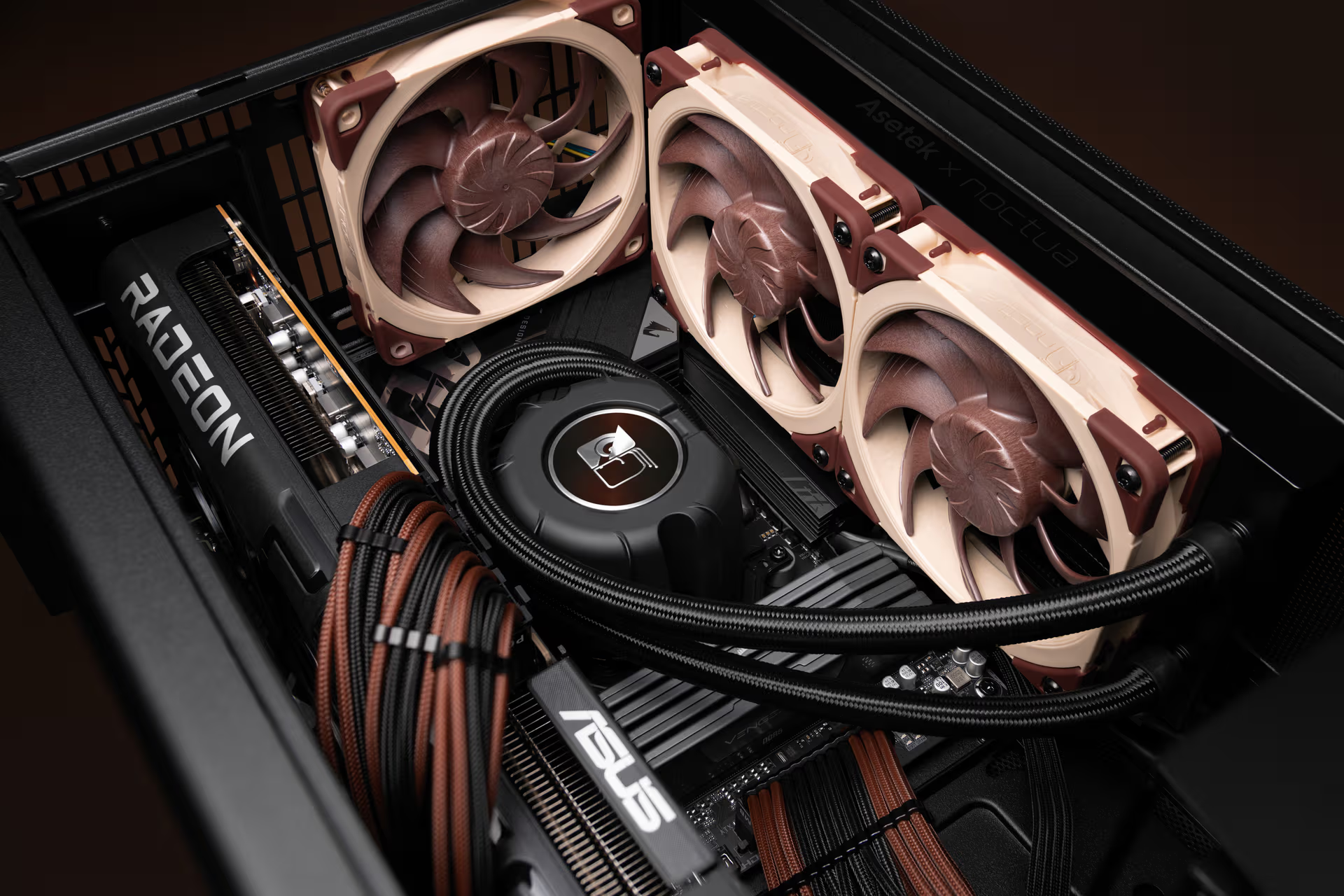
Noctua has officially moved into the AIO liquid cooling market with the NL LC1 series, marking one of the biggest product shifts in the company’s history after years of building its reputation around premium air cooling. Noctua’s entry into liquid cooling is significant because the brand has long been one of the strongest names in high end air cooling. Products such as the NH D15 helped build Noctua’s identity around quiet operation, durable fans, and conservative but effective thermal engineering.
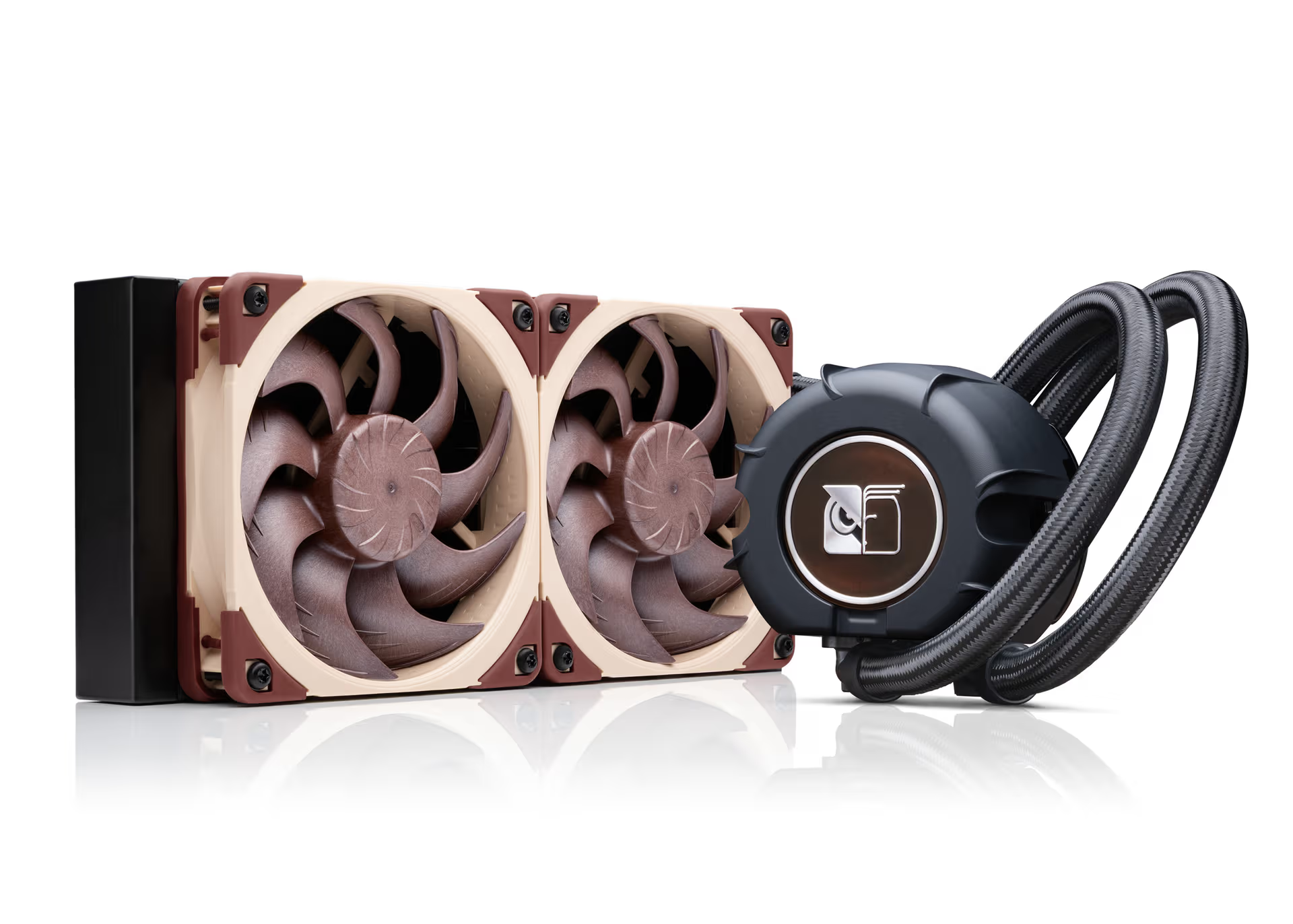
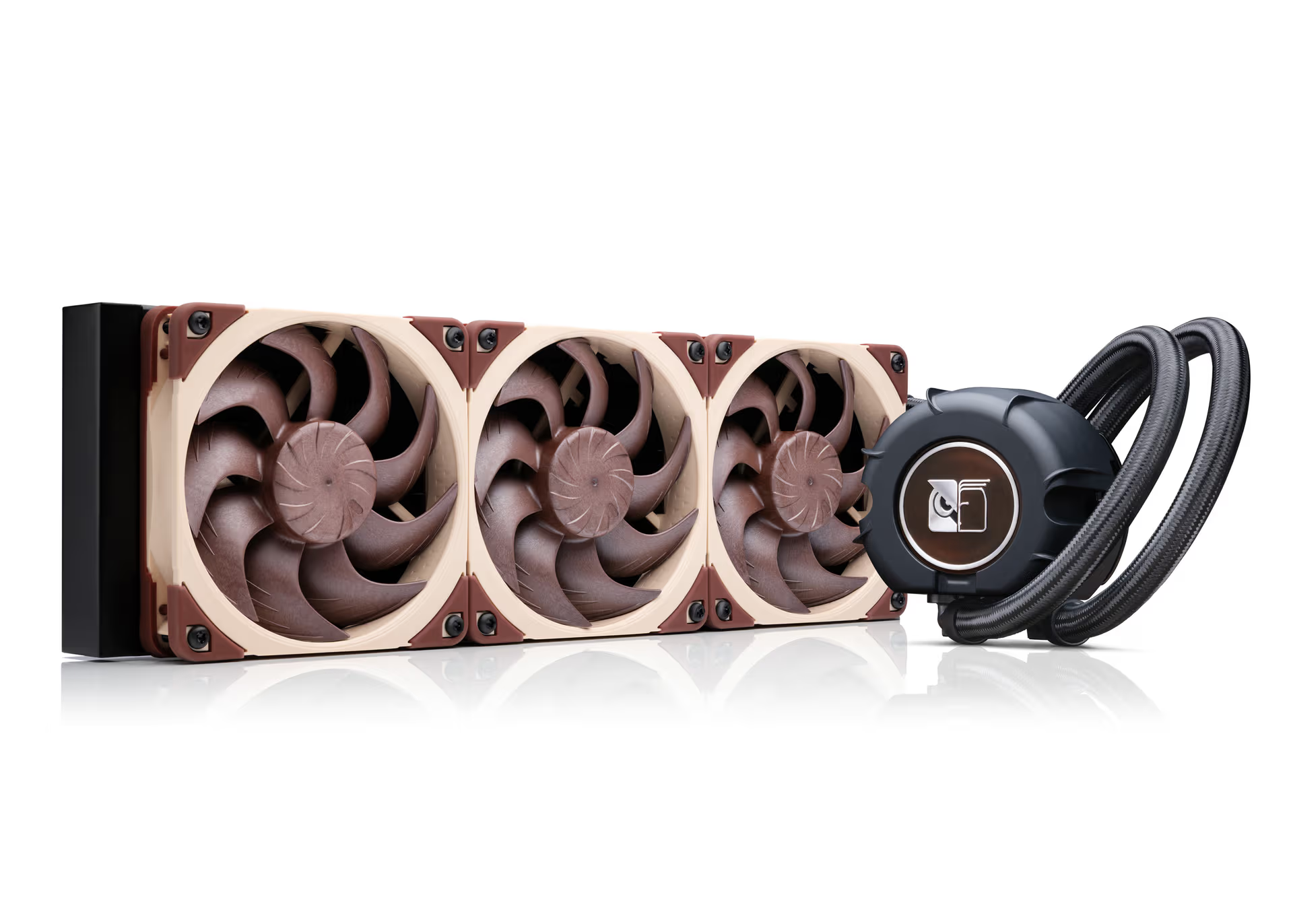
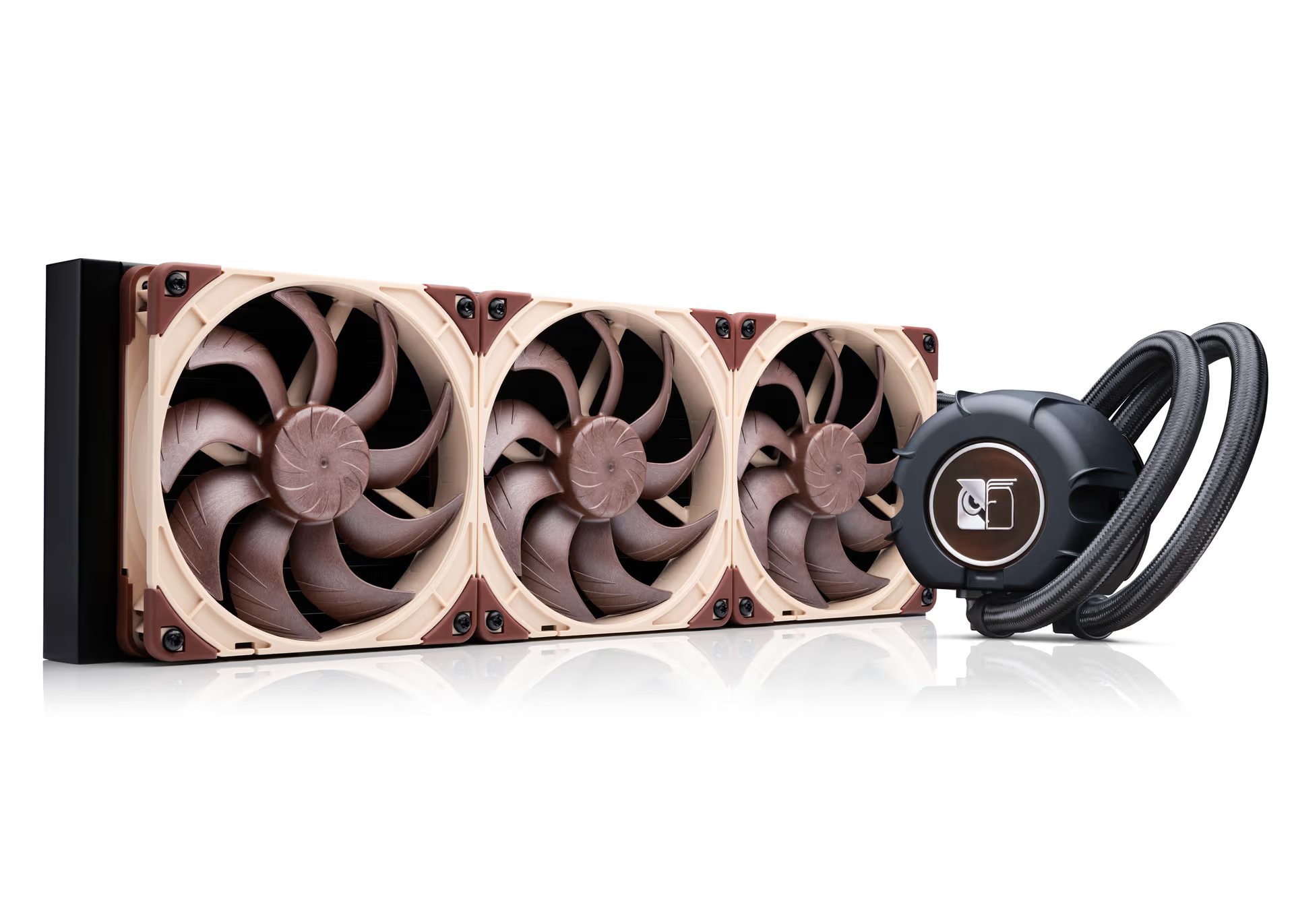
The new lineup arrives in 240 mm, 360 mm, and 420 mm radiator sizes, with official pricing starting at:
Noctua NL LC1 24 219.90$
Noctua NL LC1 36 249.90$
Noctua NL LC1 42 279.90$
Optional Noctua NL ACF1 auxiliary cooling fan 19.90$.
After being showcased at Computex 2026 in Taipei, the coolers are now appearing through retail channels, including Amazon listings for the NL LC1 24 240 mm AIO, NL LC1 36 360 mm AIO, and NL LC1 42 420 mm AIO. That places Noctua directly into the premium liquid cooling segment, where the company is not competing on aggressive pricing but on acoustics, engineering quality, and long term reliability.
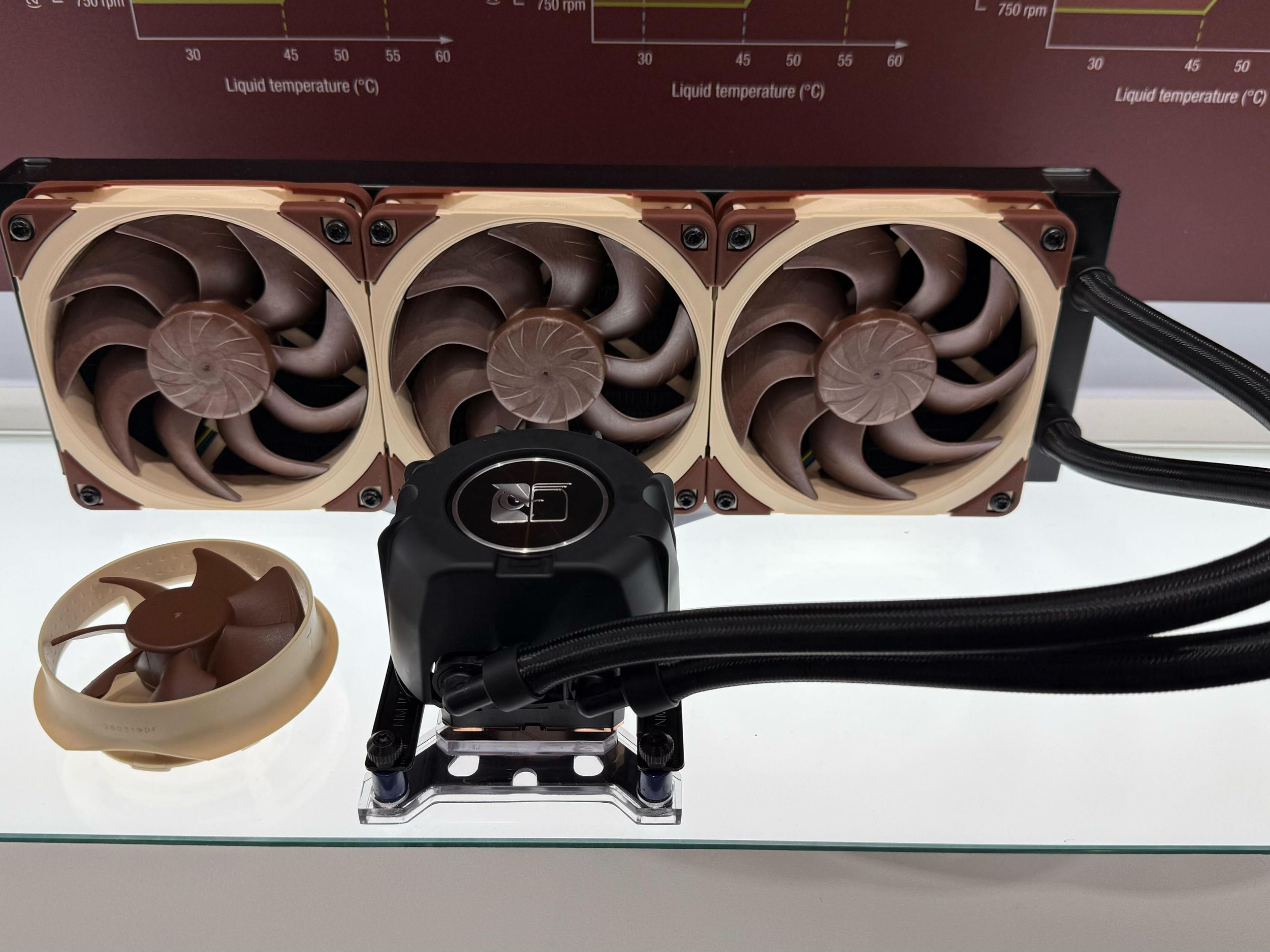
With the NL LC1 series, Noctua is now applying that same philosophy to closed loop liquid cooling. The coolers are based on the Asetek Emma V2 pump platform, but Noctua has added its own tuning and acoustic engineering to separate the design from more conventional AIO solutions.
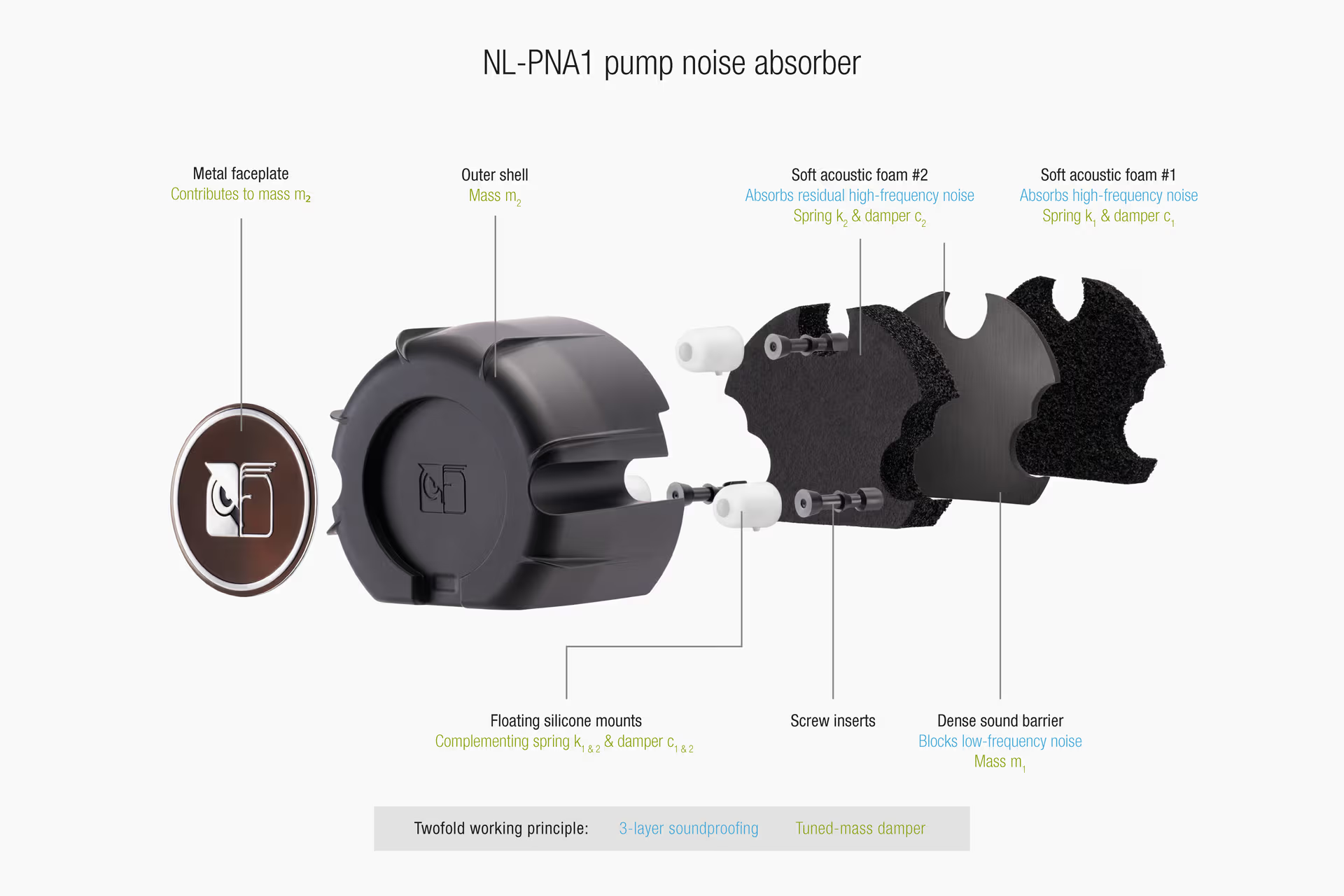
The key feature is the NL PNA1 pump noise absorber, which uses a 3 layer sound insulation structure together with a tuned mass damper effect. The goal is to reduce both airborne pump noise and vibration transferred through the tubing and case. For users who care about low noise gaming PCs or workstation builds, this could become one of the most important differentiators.
Noctua is also giving users 3 pump behavior modes. Quiet mode is designed for near silent operation, Balanced mode provides more thermal headroom when liquid temperatures rise, and Manual mode gives enthusiasts direct control over the pump speed range.
Premium Fans And Socket Area Cooling
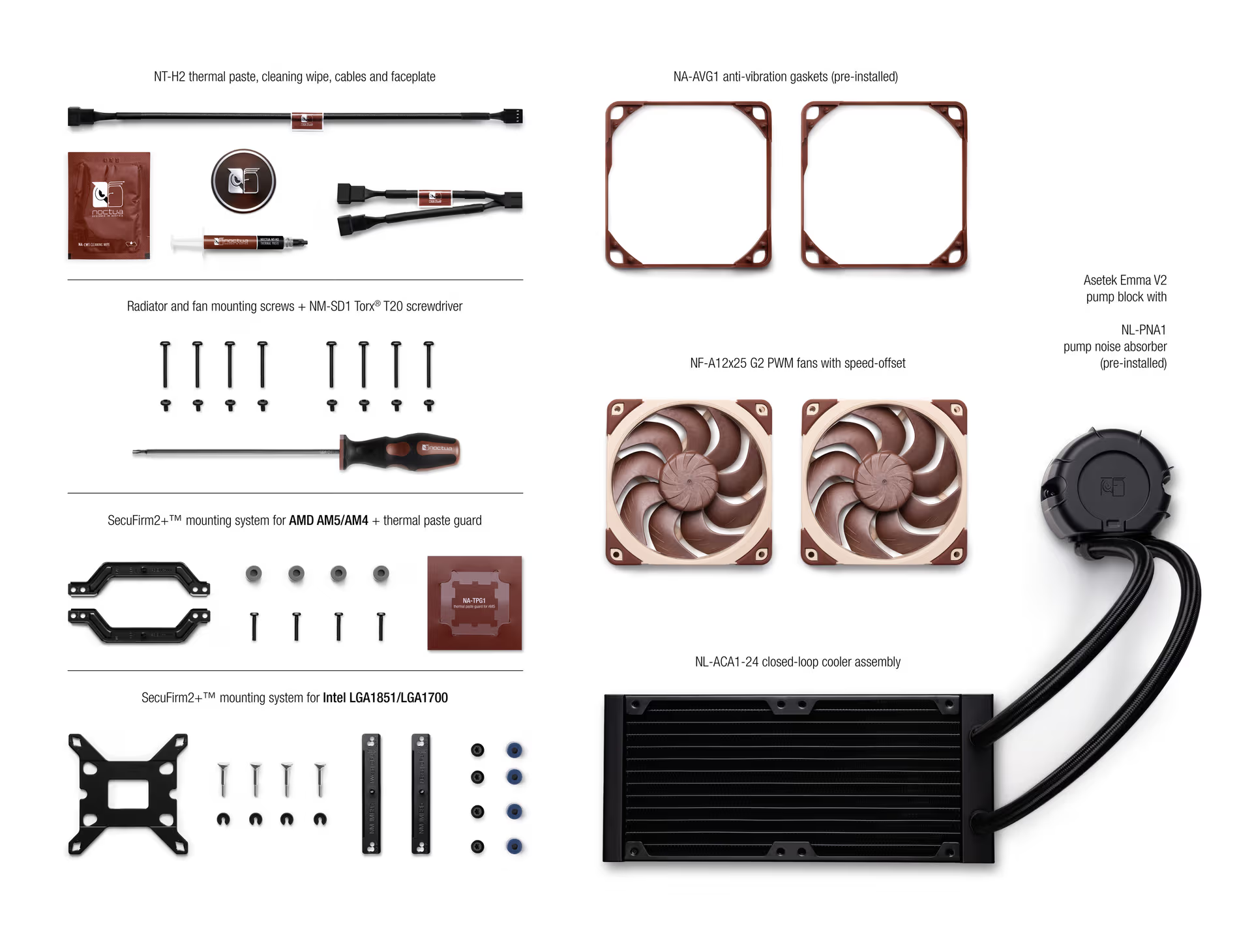
The 240 mm and 360 mm models use Noctua’s NF A12x25 G2 fans, while the larger 420 mm version uses NF A14x25 G2 fans. These fans are central to the product strategy because Noctua is not only selling a liquid cooler, it is selling an acoustic focused cooling package built around its latest fan technology.
The company is also using speed offset tuning to reduce unwanted humming and vibration patterns that can occur when multiple fans operate at nearly identical speeds. That detail matters for AIO coolers, especially in 360 mm and 420 mm configurations where 3 radiator fans are running together.
The optional NL ACF1 adds another practical layer to the ecosystem. Instead of using the standard magnetic pump faceplate, users can attach the auxiliary fan to direct additional airflow toward VRMs, memory modules, M.2 SSDs, and other components around the CPU socket.
This is a smart addition because one of the tradeoffs of moving from air cooling to liquid cooling is the loss of direct airflow around the motherboard socket area. Large tower air coolers often help move air across nearby components by default, while AIO pump blocks usually do not. The NL ACF1 is Noctua’s answer to that problem.
For gaming builds, the NL LC1 lineup arrives at a time when high power CPUs, compact showcase cases, and quieter desk setups are all becoming more important. Enthusiast gaming systems are no longer only judged by raw temperature numbers. Noise profile, component balance, radiator compatibility, and motherboard area cooling now matter just as much.
Noctua’s 360 mm model may become the most practical option for many high end gaming builds because it offers strong radiator surface area while remaining easier to fit than a 420 mm cooler. The 420 mm model is likely to appeal to users building around larger cases and maximum performance headroom, especially for demanding CPUs and sustained workloads.
The 240 mm version still has a clear role for more compact systems, where case compatibility is the limiting factor. At 219.90$, however, it is positioned as a premium option rather than a value pick.
Noctua entering liquid cooling is not just another AIO launch. It is a brand identity moment.
The company waited years before entering this category, and the result makes sense for its reputation. Instead of chasing RGB heavy design, aggressive pump styling, or low cost positioning, Noctua is focusing on the parts that actually affect the user experience: pump acoustics, fan behavior, mounting quality, socket area airflow, and long term dependability. That strategy will not make the NL LC1 series the cheapest AIO on the shelf, but it could make it one of the most interesting choices for builders who want liquid cooling without giving up the quiet character that made Noctua popular in the first place.
For gamers, creators, and workstation users, the bigger question is whether Noctua can convert its air cooling authority into liquid cooling trust. Based on the hardware direction shown so far, the company is making a strong first move. This also connects well with the broader PC cooling trend we have been seeing across recent hardware launches. From more aggressive AIO designs like the MONTECH LightFlow ARGB lineup to Noctua’s own NF A12x25 G2 chromax black fan launch, cooling is becoming a bigger part of how premium gaming PCs are designed, marketed, and experienced.
Would you choose Noctua’s first AIO liquid cooler for your next gaming PC, or do you still trust its air coolers more?
