
GIGABYTE RTX 5090 AORUS Infinity Hits Micro Center At 5,299.99$
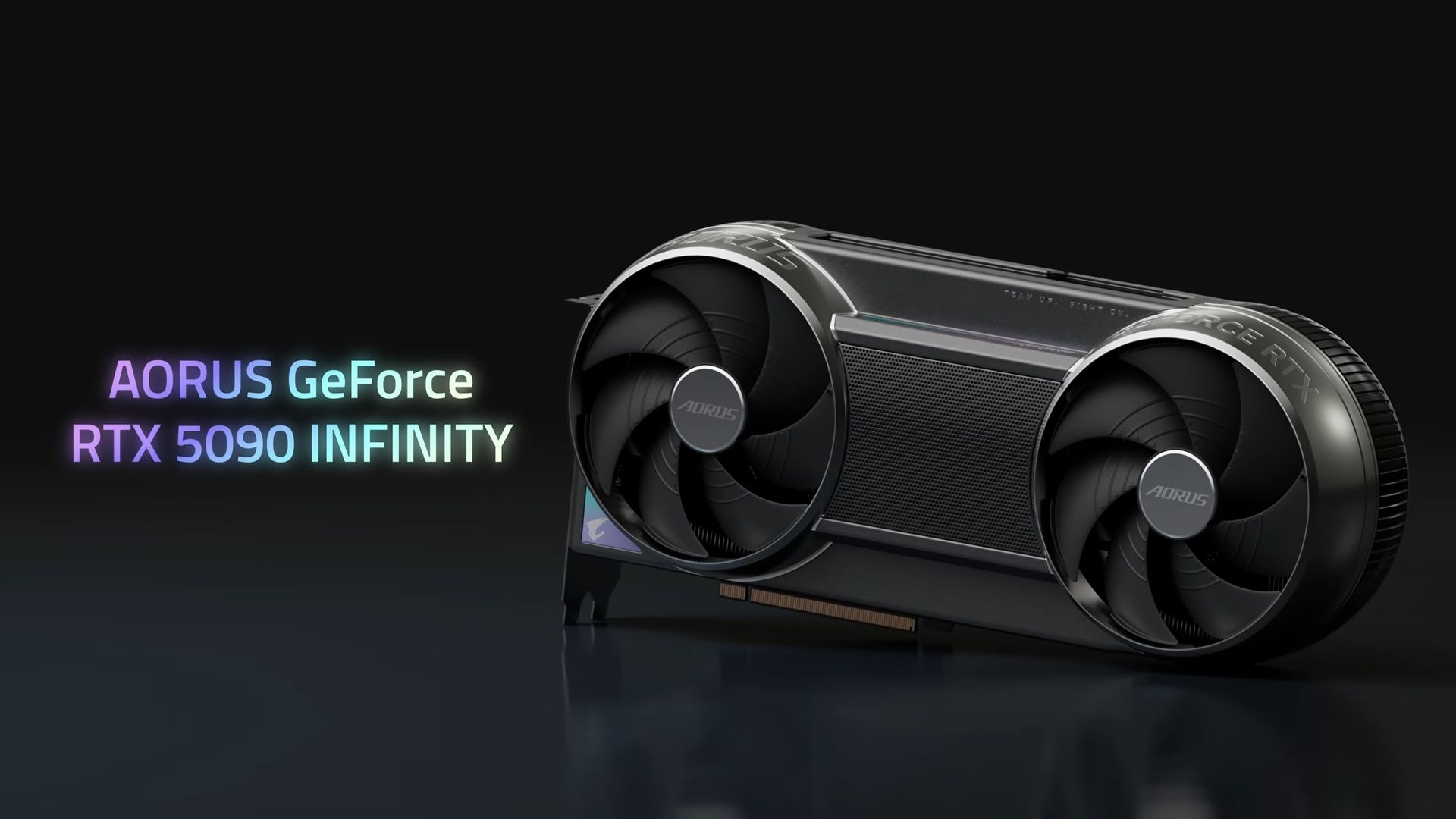
GIGABYTE’s AORUS GeForce RTX 5090 Infinity 32G has finally appeared at United States retail, and the price makes a clear statement about where flagship graphics cards now sit in 2026. According to a report from VideoCardz, he premium 40th Anniversary model has been listed at Micro Center for 5,299.99$, placing it at roughly 2.6 times the 1,999$ Founders Edition launch price.
That number is aggressive even by RTX 5090 standards. The RTX 50 series has already been one of the most expensive GPU generations in recent memory, with high end models pressured by limited supply, strong AI demand, and rising memory costs. While many RTX 5090 models are now commonly seen around the 4,000$ to 4,500$ range, the AORUS Infinity pushes beyond that into a luxury enthusiast category where design, cooling, exclusivity, and collector appeal matter almost as much as raw performance.
The official GIGABYTE product page lists the AORUS GeForce RTX 5090 Infinity 32G with NVIDIA Blackwell architecture, DLSS 4 support, 32 GB of GDDR7 memory on a 512 bit interface, and a 2730 MHz core clock compared with 2407 MHz on the reference card. That gives the Infinity a 323 MHz factory clock advantage, making it one of the more aggressively tuned RTX 5090 designs on paper.
The card’s cooling system is also a major part of its positioning. GIGABYTE uses its WINDFORCE Hyperburst design with Double Flow Through airflow, patented Hawk fans, an Overdrive fan, superconducting heat pipes, composite metal grease for the GPU, RGB Halo lighting, and a die casting metal shroud with a die casting metal backplate. The GIGABYTE AORUS RTX 5090 Infinity have a Hidden Third Fan, 2730 MHz Factory Boost, and a Compact Premium Design, where the main question was pricing. Now that question has an answer, and it is not a friendly one for mainstream PC builders.
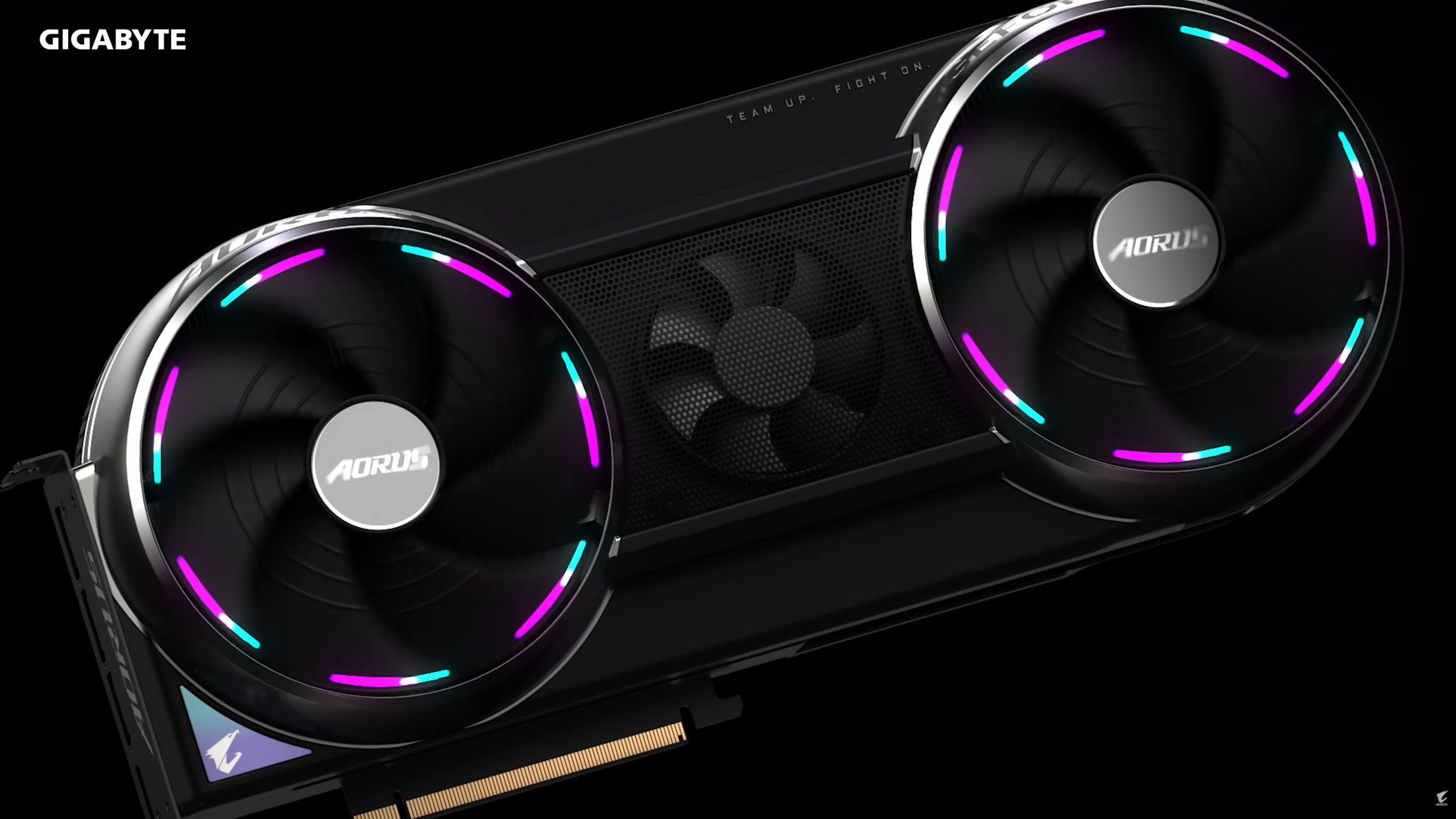
The Infinity model was already expected to be expensive because it is tied to GIGABYTE’s 40th Anniversary positioning and uses a more distinctive visual design than most standard RTX 5090 cards. It has a dual fan style presentation with a hidden central Overdrive fan, aiming to deliver triple fan thermal behavior without following the usual oversized flagship GPU look. That design direction is part of what makes the card stand out, but at 5,299.99$, it also turns the Infinity into a statement piece for showcase builds rather than a rational value upgrade.
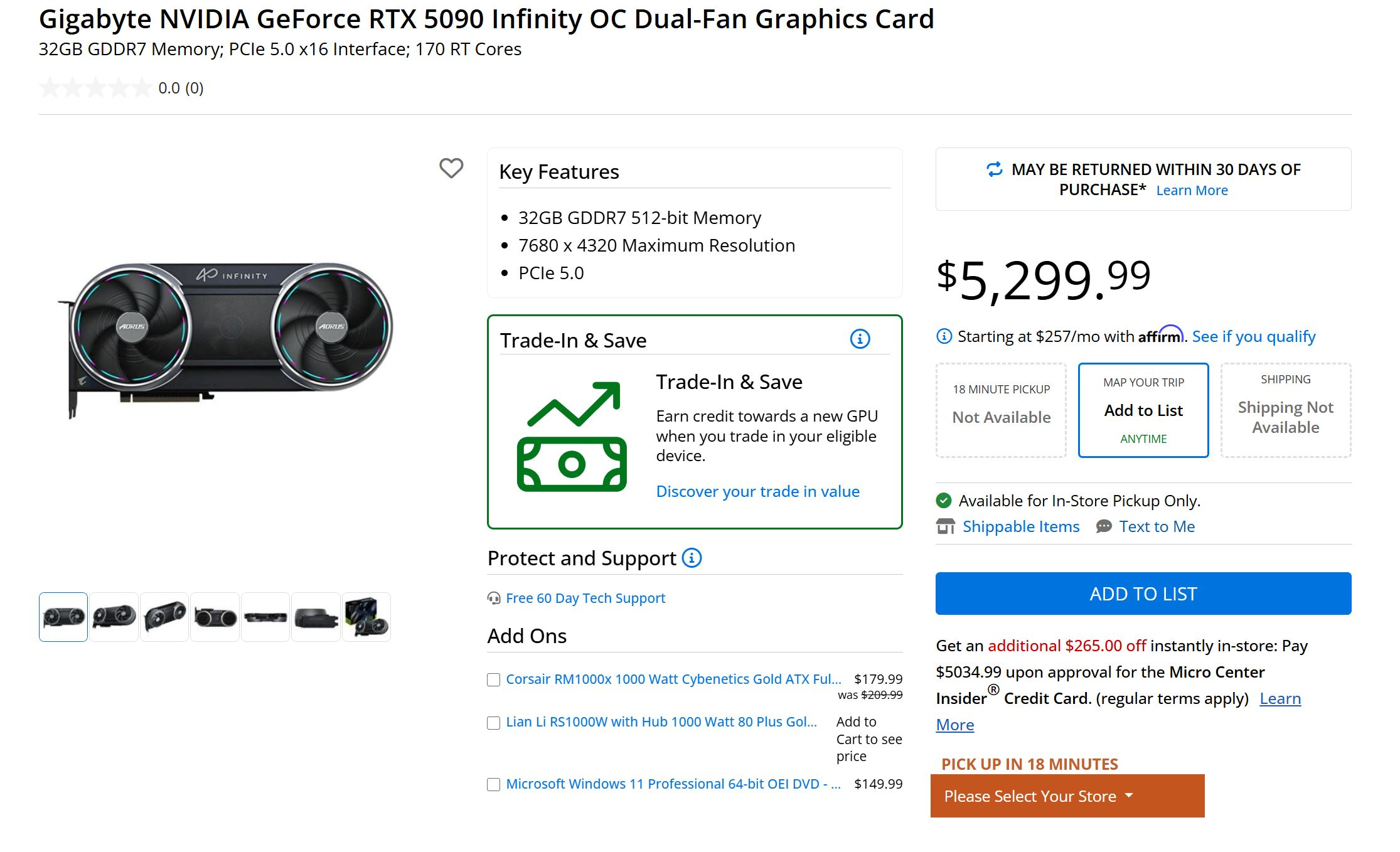
This is where the market picture becomes more complicated. Premium graphics cards have always existed, but the RTX 5090 generation is stretching the definition of premium. A flagship GPU that costs more than 5,000$ is no longer only competing against other cards. It is competing against full high end gaming PCs, professional workstations, OLED displays, and entire creator setups. For gamers, the value equation becomes extremely difficult unless the buyer specifically wants the best possible single GPU, the AORUS design language, and the collector angle.
The broader pricing pressure is not limited to gaming cards, we recently covered how NVIDIA RTX PRO 6000 Blackwell pricing has pushed past the 10,000$ barrier as AI demand reshapes GPU pricing. That professional card is built for AI, workstation, and large memory workloads, but the same market pressure is spilling into high end consumer GPUs. When AI developers, creators, and local model users see 32 GB graphics cards as practical compute hardware, the enthusiast gaming segment is forced to compete with buyers who are not only thinking about frames per second.
The AORUS Infinity price also gives more context to GIGABYTE’s wider plans, GIGABYTE EEC filings point to more RTX 50 AORUS Infinity cards from RTX 5080 to RTX 5060. If that lineup moves forward, the key question will be whether GIGABYTE can bring the Infinity design language to lower tiers without turning every model into a massive price jump over standard cards. The RTX 5090 Infinity can survive as a halo product. An overpriced RTX 5070 or RTX 5060 Infinity would be a much harder sell if performance per dollar starts to collapse.
This listing captures the strange state of the 2026 GPU market. GIGABYTE has created one of the most visually distinct and technically ambitious RTX 5090 cards available, but the retail price shows how far flagship GPU economics have moved away from normal enthusiast expectations. The Infinity is not just a graphics card anymore. It is a luxury hardware product aimed at buyers who want rarity, design, and top tier Blackwell performance in one package.
The problem is that the core gaming audience is being left further behind. A 5,299.99$ RTX 5090 may make sense for collectors, extreme builders, AI hobbyists, or creators who can turn GPU time into revenue, but for most gamers, it is a warning sign. If this is where premium RTX 5090 pricing lands, the rest of the RTX 50 stack needs to become much more competitive, or high end PC gaming risks becoming even more disconnected from the wider player base.
Question for readers
Would you ever pay over 5,000$ for a flagship RTX 5090, or has premium GPU pricing gone too far?
