
CXMT DDR5 Reaches 9000 MT/s as Chinese Memory Pushes Into Enthusiast Territory
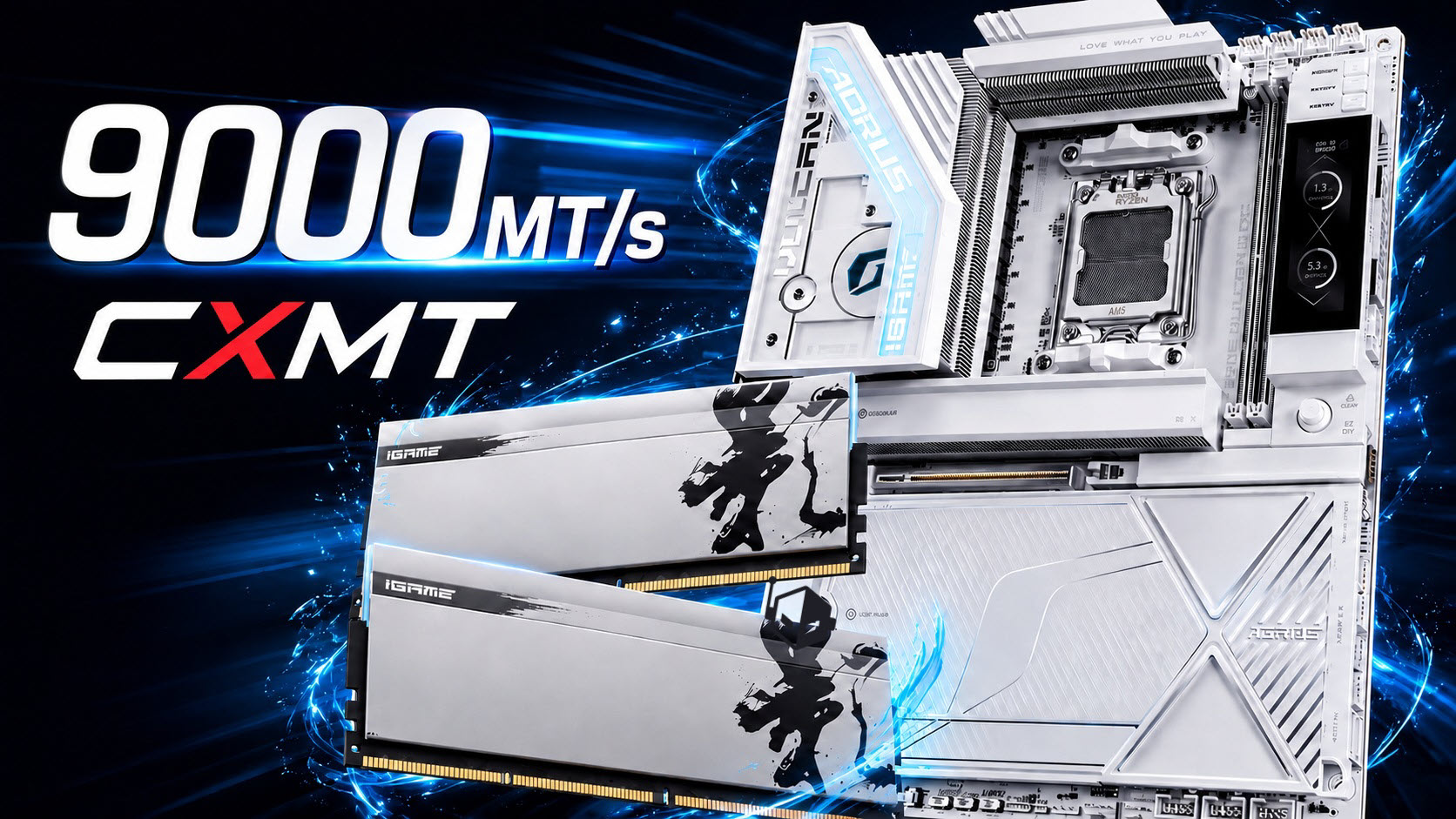
Chinese DRAM manufacturer CXMT continues narrowing the performance gap with established memory suppliers, with new demonstrations showing its DDR5 silicon reaching 9000 MT/s while separate configurations achieved DDR5 6000 CL30 and CL28 timings. The results represent a significant improvement for CXMT, whose consumer DDR5 products were positioned much closer to mainstream speeds only months ago.
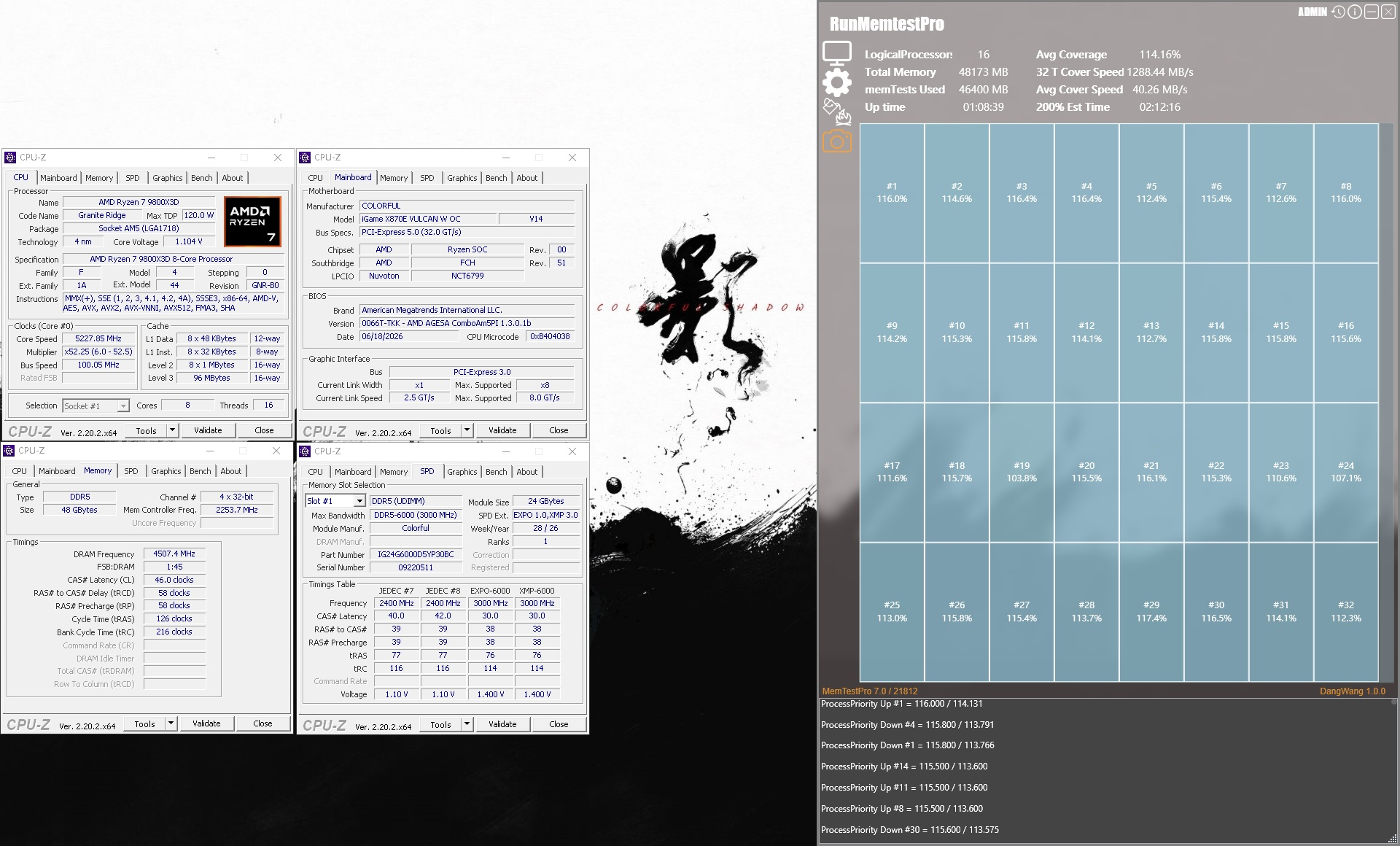
Colorful demonstrated the 9000 MT/s result using a 48 GB kit with 2x24 GB iGame Shadow II modules based on CXMT DRAM. The memory was installed on the 2 DIMM iGame X870E VULCAN W OC motherboard, a platform specifically designed for high memory frequencies. Testing was performed on an AMD Ryzen platform, with the configuration successfully completing memory stability testing.
The 9000 MT/s configuration is an overclocked result rather than an officially rated retail specification. CXMT currently lists its DDR5 silicon at speeds reaching 8000 Mbps, with 16 Gb and 24 Gb die capacities. The company offers DDR5 across UDIMM, SODIMM, CUDIMM, CSODIMM, RDIMM, MRDIMM and TFF MRDIMM formats for PCs, workstations and servers.
The frequency milestone follows rapid progress from earlier CXMT demonstrations. Colorful had previously reached 8600 MT/s and 8800 MT/s before moving to 9000 MT/s, showing how quickly motherboard firmware and memory tuning support for Chinese DRAM has improved.
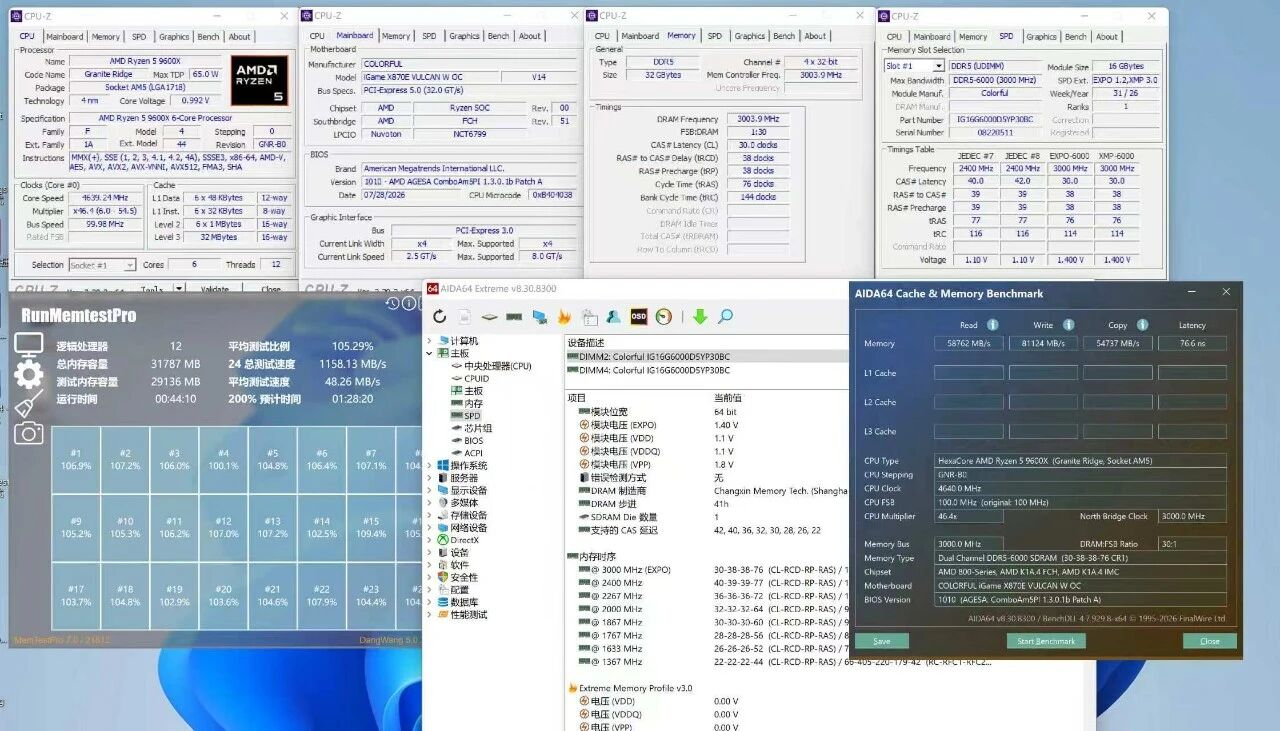
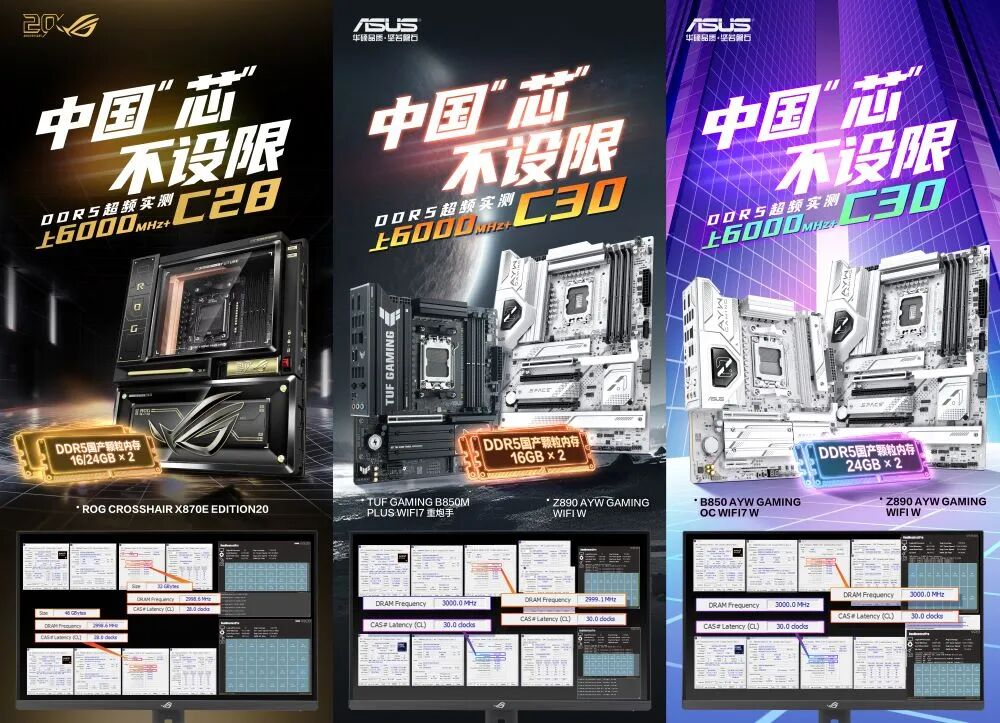
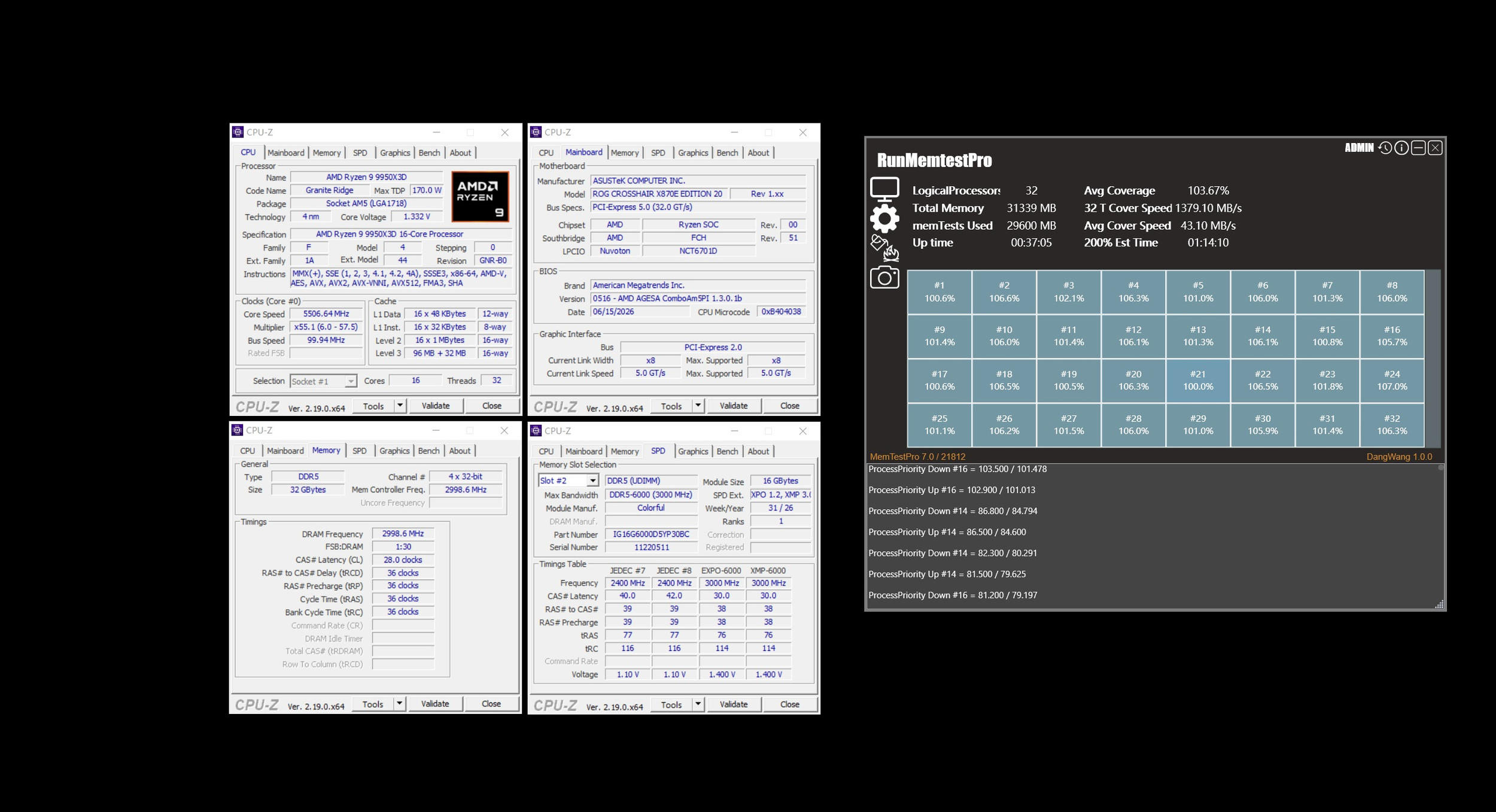
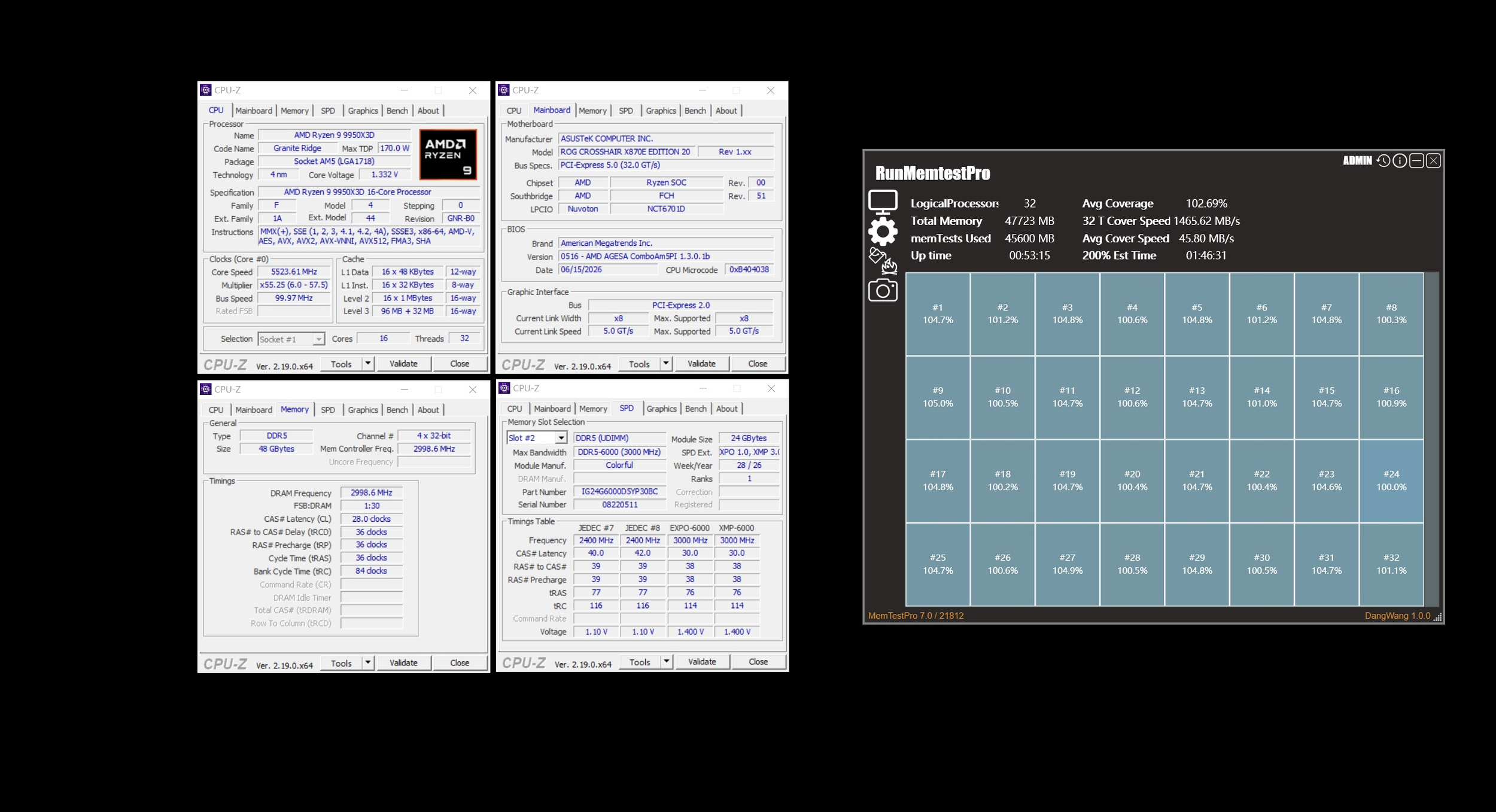
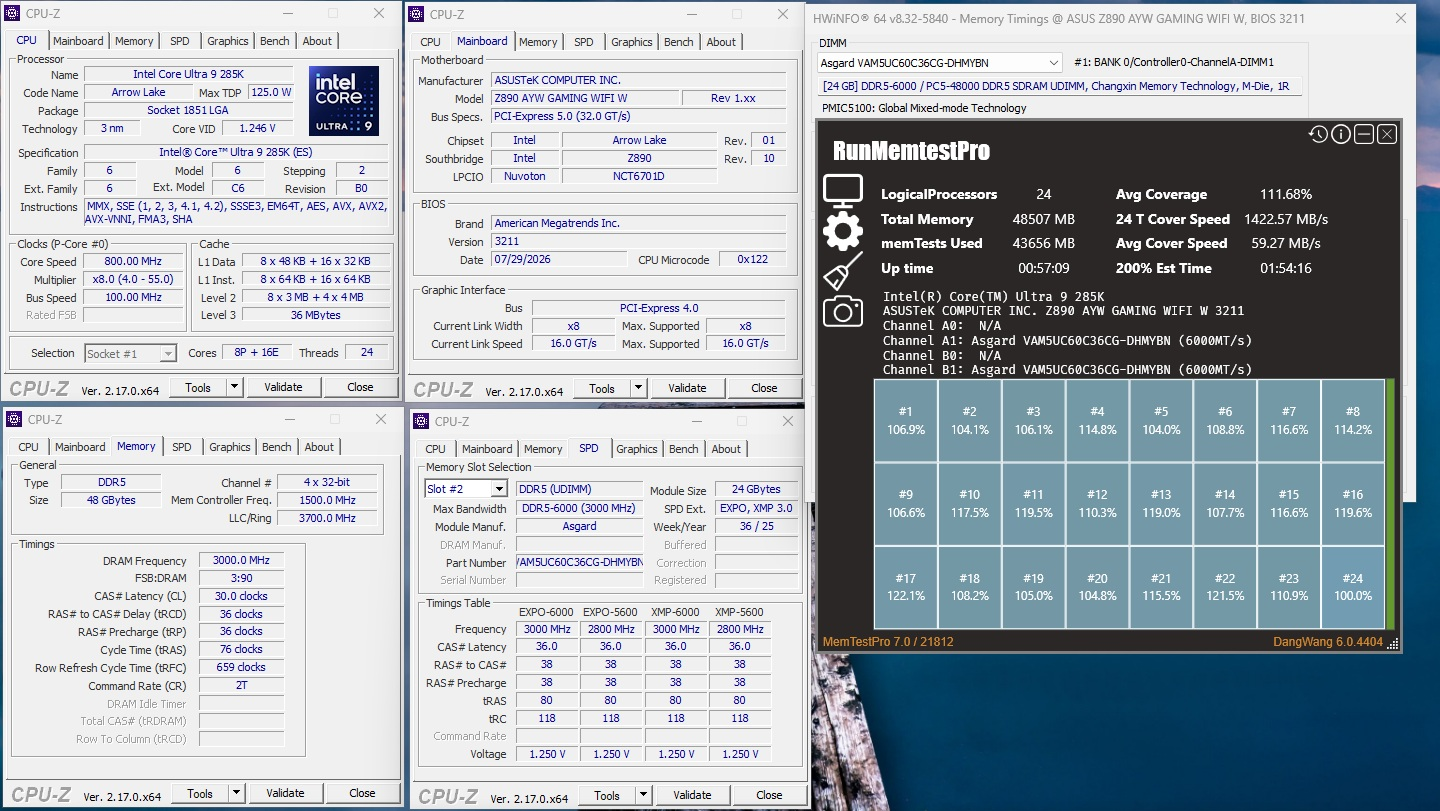
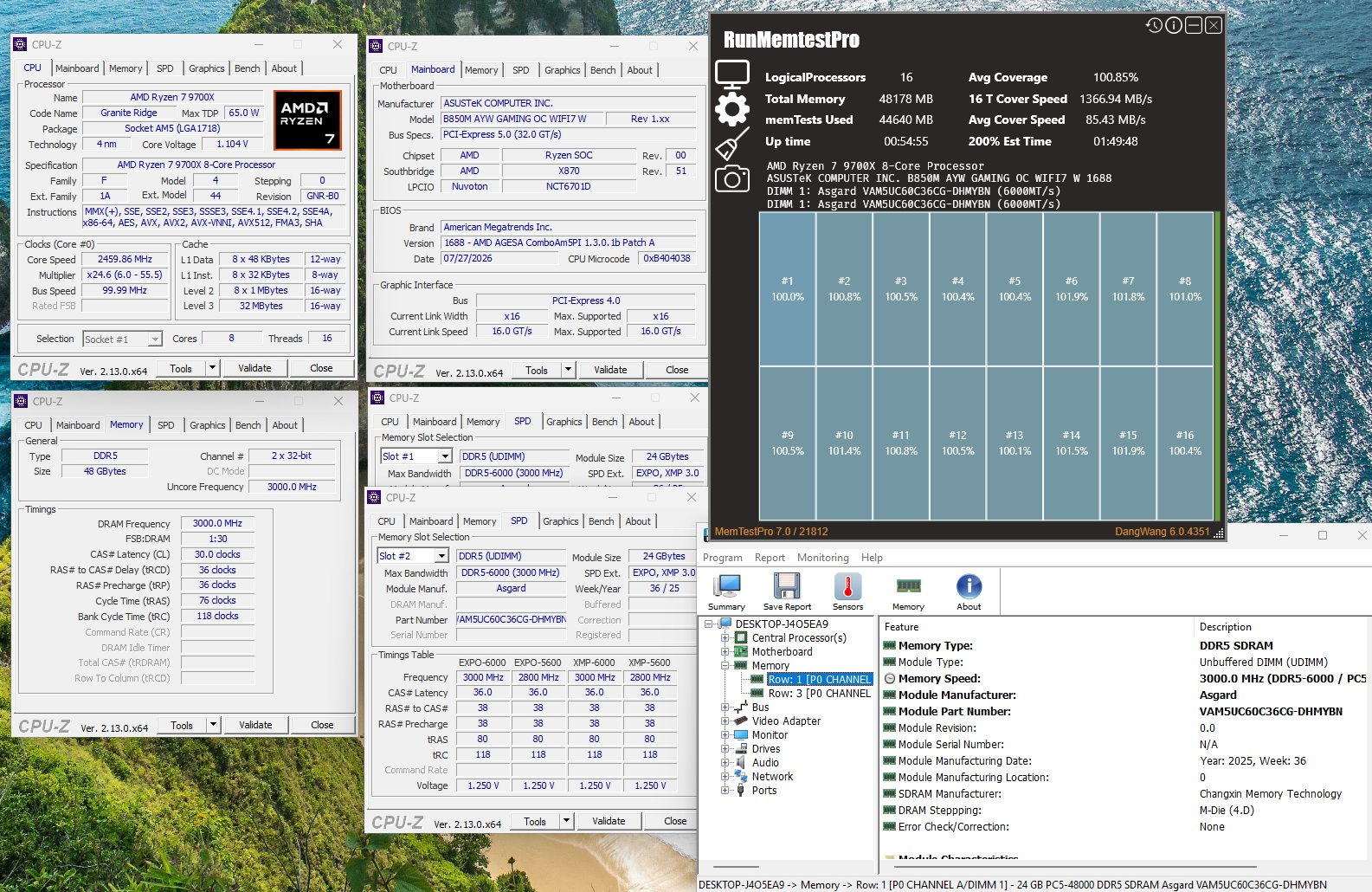
Frequency is only part of the latest development. CXMT based DDR5 has also demonstrated significantly tighter timings at more practical memory speeds. Colorful showed DDR5 6000 operating at CL30, while additional testing demonstrated CL28 operation across modern AMD and Intel platforms. Many commercially available CXMT DDR5 6000 products currently use timings closer to CL36, making CL28 and CL30 particularly relevant for gaming systems where latency can matter as much as peak transfer rate.
At DDR5 6000, CL28 represents an approximate theoretical CAS latency of 9.3 ns, compared with around 12 ns for CL36. Actual system memory latency depends on considerably more than CAS latency alone, including secondary timings, memory controller behavior, platform configuration and memory ratios, but the improvement demonstrates that CXMT silicon is no longer progressing only through higher frequency.
Colorful also demonstrated a DDR5 6000 CL30 EXPO configuration at 1.4 V, producing approximately 58.7 GB/s read, 81.1 GB/s write and 54.7 GB/s copy performance in AIDA64 with reported latency of 76.6 ns.
The results should not be interpreted as confirmation that retail CXMT DDR5 9000 or DDR5 6000 CL28 kits are immediately available. The 9000 MT/s result was achieved through tuning on an enthusiast oriented 2 DIMM motherboard, while CL28 also remains a demonstrated configuration rather than a broadly guaranteed commercial specification. Production binning, voltage requirements, platform compatibility and consistency across large quantities of DRAM will determine whether these settings can eventually become retail products.
CXMT has nevertheless been expanding rapidly into mainstream PC memory. A Corsair Vengeance DDR5 module was previously discovered using CXMT DRAM, while motherboard manufacturers including ASUS, MSI, Gigabyte and Colorful have progressively improved firmware support for the company's chips. CXMT DDR5 yields have also reportedly surpassed 90%, suggesting that China's largest domestic DRAM producer is making progress not only in performance but also manufacturing maturity.
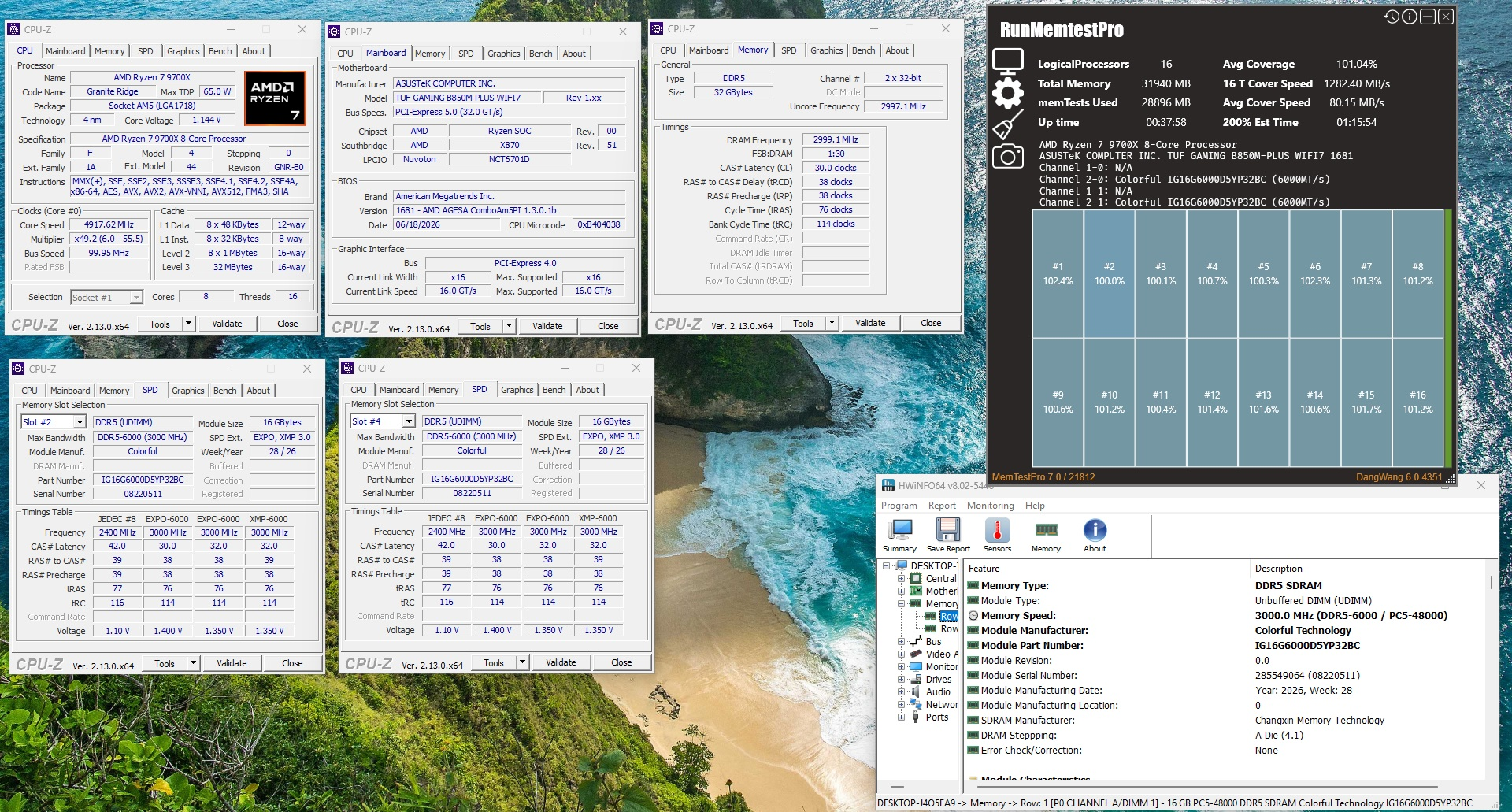
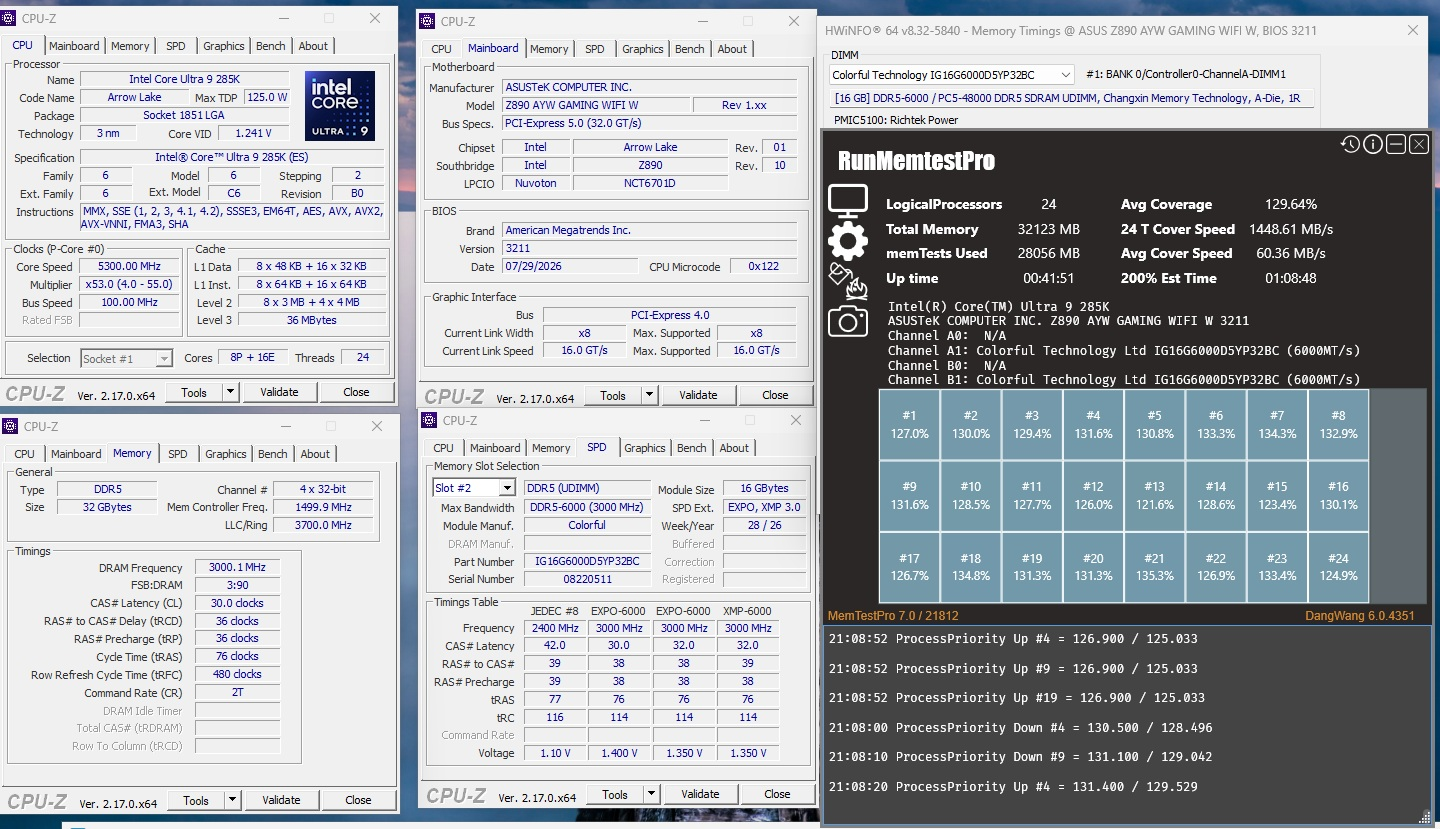
9000 MT/s is an impressive headline, but the DDR5 6000 CL28 and CL30 results may actually matter more for gamers. Extreme memory frequency can be useful for competitive overclocking, but lower latency at practical DDR5 speeds can deliver a better balance of stability, performance and memory controller efficiency.
CXMT still needs to demonstrate that these results can be reproduced consistently across retail production, especially because premium DDR5 from SK hynix remains extremely mature in voltage scaling and memory tuning. However, moving from mainstream DDR5 6000 products to 9000 MT/s demonstrations and CL28 operation within such a short period shows that CXMT is becoming increasingly difficult to dismiss as an entry level DRAM supplier.
Would you consider a CXMT based DDR5 kit for your next gaming PC if it could deliver DDR5 6000 CL28 or 9000 MT/s performance at a competitive price?
