
CXMT and YMTC Reportedly Stockpile Enough ASML DUV Systems for 3 Years of Expansion

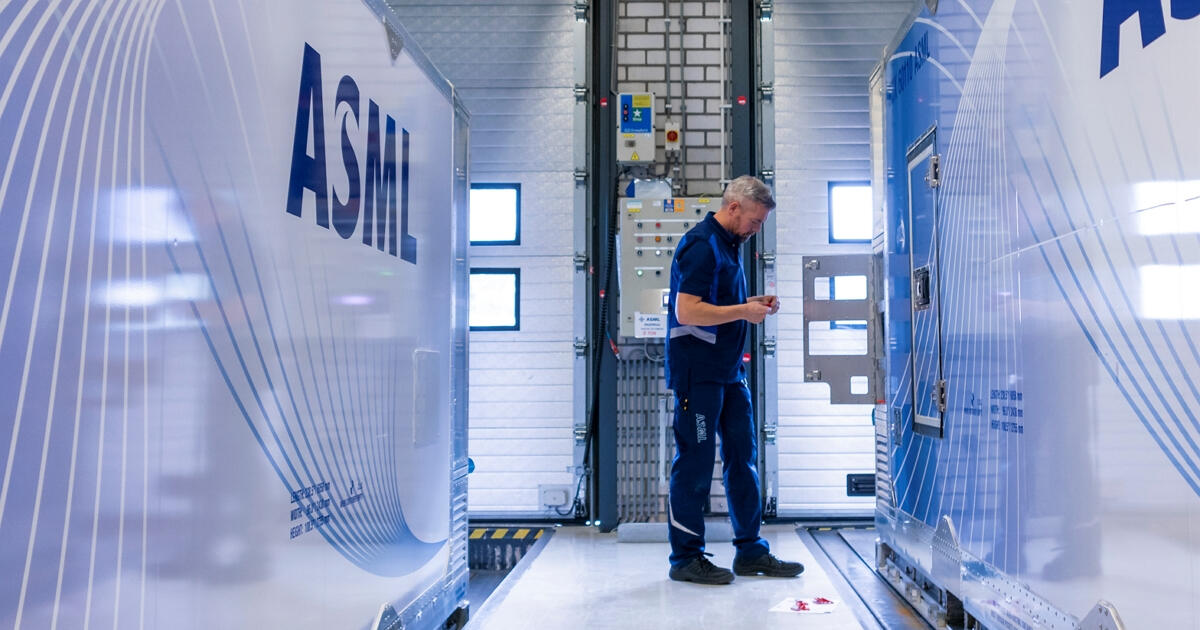
Chinese memory giants CXMT and YMTC have reportedly accumulated enough ASML Deep Ultraviolet lithography equipment to support their planned manufacturing expansion for the next 3 years, giving both companies a substantial equipment buffer as China prepares for the possibility of tighter semiconductor export restrictions. The stockpiling highlights how aggressively Chinese manufacturers are securing foreign lithography technology while simultaneously accelerating development of domestic alternatives.
According to a Financial Times investigation, a person familiar with the situation says ChangXin Memory Technologies and Yangtze Memory Technologies have acquired sufficient ASML DUV systems to cover their respective expansion plans for approximately 3 years. The report does not disclose how many scanners have been accumulated, which specific ASML models are involved, or the total value of the equipment. This is therefore best understood as a capacity planning estimate rather than confirmation that each company literally possesses 3 years of complete manufacturing equipment inventory.
The strategy makes sense given the rapidly changing export environment surrounding semiconductor manufacturing equipment. China has effectively been unable to purchase ASML Extreme Ultraviolet systems since the Netherlands began withholding export licenses for those machines, while Dutch regulations have since expanded licensing requirements to selected advanced DUV immersion systems. ASML itself has acknowledged that EUV, certain DUV immersion products, and other technologies are subject to export licensing requirements, while United States restrictions separately affect equipment and services supplied to specific Chinese semiconductor facilities.
Despite these restrictions, China remains an important market for ASML. The company said its Chinese DUV business performed more strongly than expected during 2025, helping offset weaker mainstream DUV demand elsewhere. Chinese customers have also increased purchases considerably over recent years as manufacturers attempt to establish enough equipment capacity before additional restrictions potentially limit future access. A 2025 United States congressional hearing cited estimates that China purchased approximately 90 ASML DUV immersion machines during 2024, representing around 70% of the company's worldwide immersion DUV shipments that year.
For CXMT, securing that equipment is particularly important because the company is undertaking one of the most aggressive DRAM expansions in the industry. CXMT's DRAM revenue increased 716% annually during Q2 2026, while additional fabrication projects could significantly increase its wafer capacity during the remainder of the decade. The company remains behind Samsung, SK hynix, and Micron in advanced memory manufacturing, particularly around HBM and access to EUV, but greater DUV capacity provides a foundation for scaling DDR5, LPDDR5X, server memory, and future domestic memory technologies.
YMTC is undergoing a similarly important expansion on the NAND side. The company recently became the world's third largest NAND supplier by bit shipments, reaching approximately 14% of global NAND shipments during Q2 2026. Securing enough lithography equipment for several years of capacity expansion reduces one of the most immediate risks to that growth, even though YMTC continues facing restrictions surrounding more advanced semiconductor manufacturing technology.
China is simultaneously accelerating efforts to replace foreign lithography equipment. Shanghai based Yuliangsheng, which reportedly has close technical links with Huawei associated semiconductor equipment developer SiCarrier, is expected to manufacture approximately 12 domestic DUV systems by the end of 2026. The systems are already being tested by manufacturers including SMIC and on Huawei associated production lines. However, industry sources caution that China's domestic scanners remain several years behind ASML in productivity, reliability, precision, and manufacturing maturity.
That domestic effort has developed significantly faster than earlier expectations. Previous reports suggested around 5 locally produced immersion DUV machines would be manufactured during 2026 before increasing toward 20 systems in 2027. CXMT gaining early access to China's domestic DUV technology, is among the manufacturers expected to evaluate domestically produced lithography equipment as an alternative supply path if access to Western systems becomes increasingly restricted.
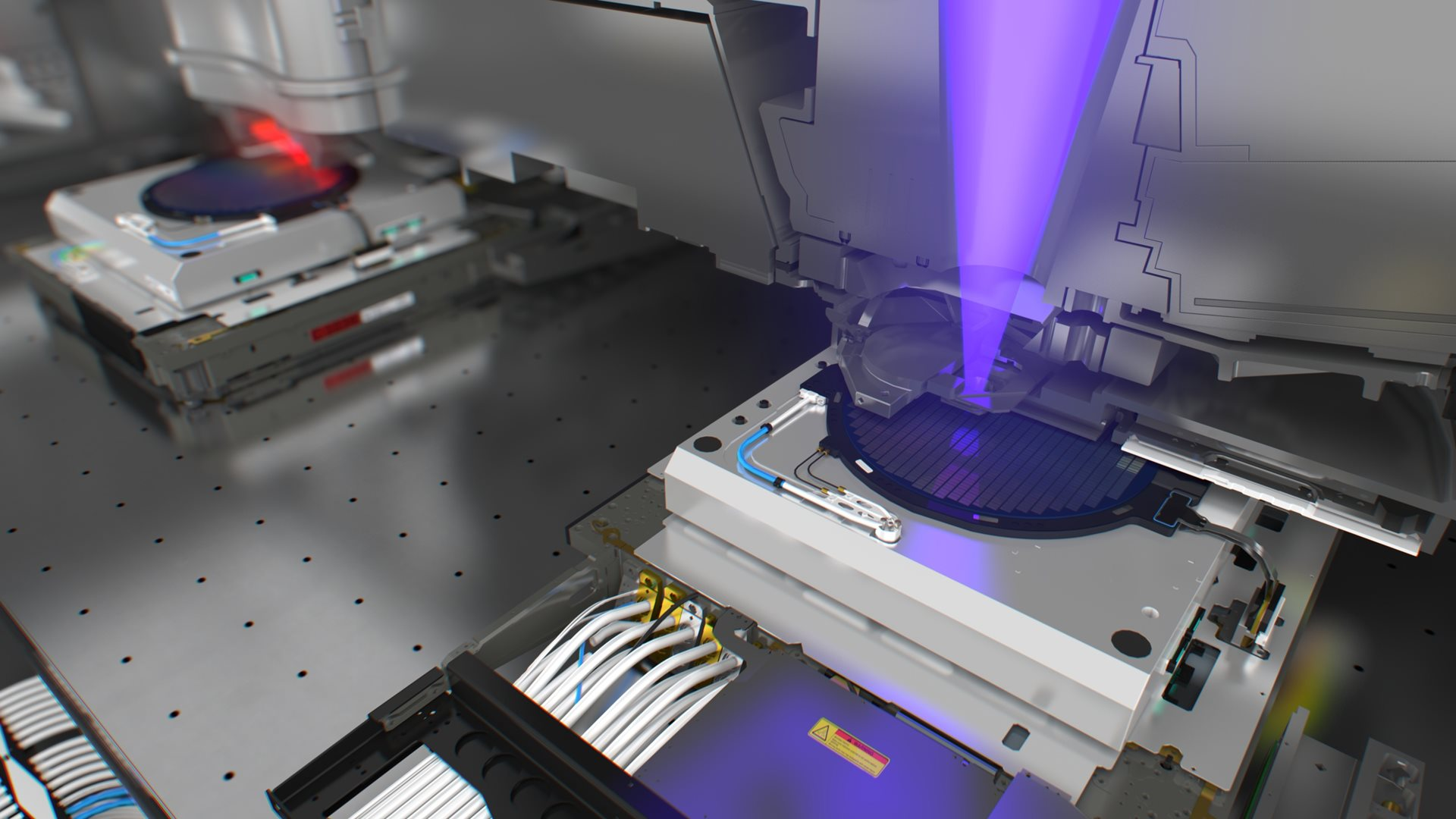
The technical gap nevertheless remains substantial. DUV lithography systems contain tens of thousands of components, with high performance projection optics and powerful stable light sources remaining particularly difficult for Chinese suppliers to reproduce. Yuliangsheng currently relies on some foreign components while Chinese companies continue developing replacements. Even after a domestically produced scanner becomes operational, semiconductor manufacturers must complete extensive qualification, process optimization, overlay calibration, reliability testing, and yield improvement before it can compete with mature ASML production equipment.
This makes the reported CXMT and YMTC stockpile strategically significant. The companies are effectively creating a bridge between their current reliance on ASML equipment and a future in which domestic Chinese lithography systems could handle a greater percentage of manufacturing. If additional export restrictions arrive before local alternatives reach commercial maturity, several years of installed or reserved DUV capacity could allow both memory manufacturers to continue expanding rather than immediately freezing new production.
Stockpiling enough ASML equipment for 3 years does not eliminate China's lithography problem, but it significantly changes the timeline. Export controls are most effective when they prevent manufacturers from obtaining the equipment required for future capacity. If CXMT and YMTC have already secured much of what they need for their next expansion cycle, additional restrictions may have a delayed impact rather than immediately reducing production growth.
The bigger strategic issue is what happens during those 3 years. China does not need its domestic DUV systems to equal ASML today. It needs them to improve quickly enough that CXMT, YMTC, SMIC, and other manufacturers can begin transitioning toward local equipment before their foreign tool inventories become a bottleneck. With Yuliangsheng targeting 12 machines this year and Chinese semiconductor companies increasingly being pushed toward domestic suppliers, export restrictions could simultaneously slow China's near term progress while accelerating the development of an independent equipment ecosystem.
Will 3 years of ASML DUV capacity give China's semiconductor industry enough time to develop competitive domestic lithography equipment, or will the technology gap remain too large to close?
