
CPU Demand Is So High That Intel Reportedly Boosted Margins by Selling Salvaged Xeon Chips
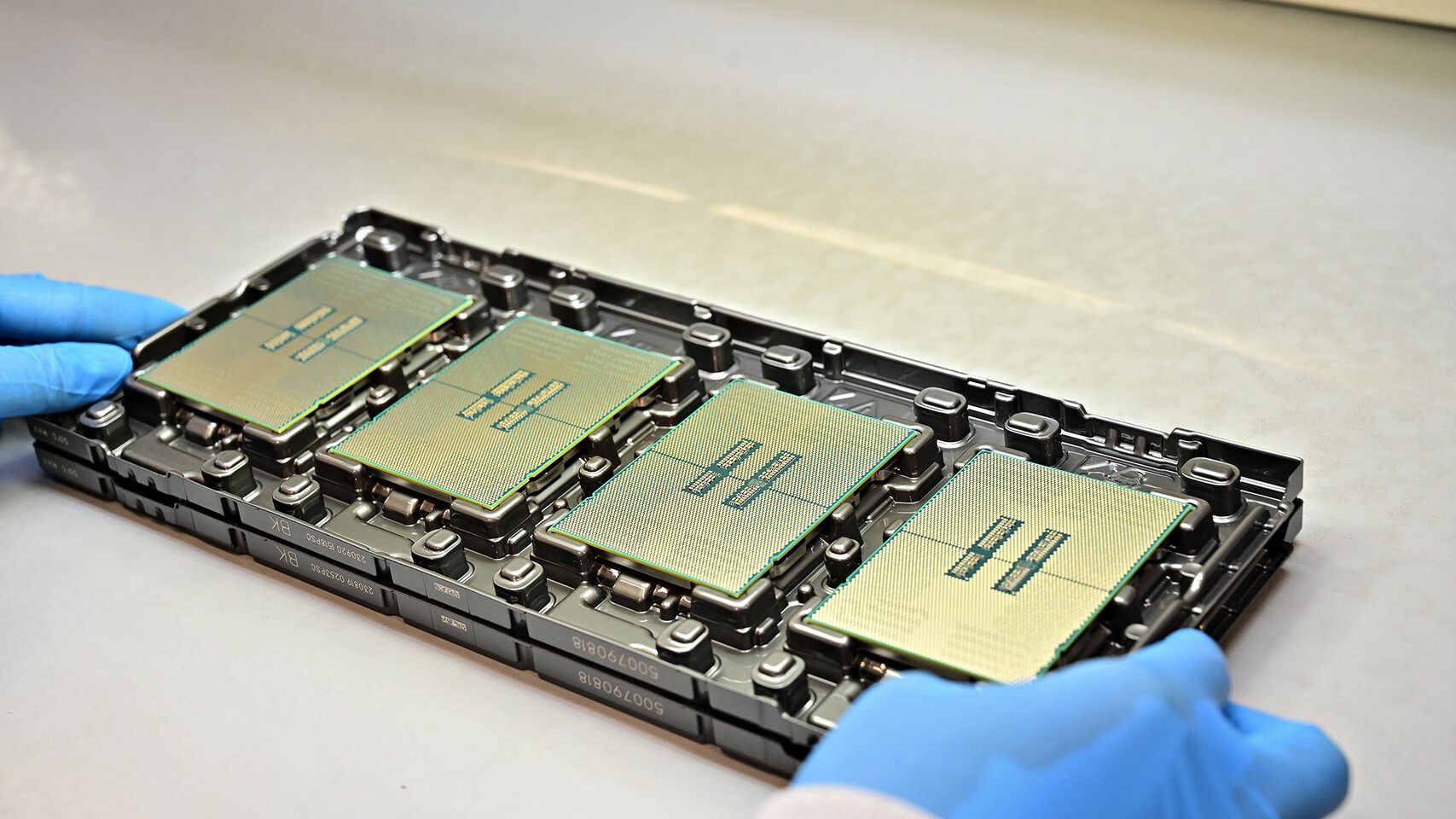
CPU demand is rising fast as AI inference and agentic AI workloads reshape the data center market. While GPUs still dominate the training conversation, the infrastructure around modern AI is becoming increasingly dependent on CPUs for orchestration, scheduling, memory handling, service coordination, and large scale inference support.
That shift appears to be helping Intel in an unexpected way. During Intel’s recent earnings cycle, the company delivered stronger results, supported by above seasonal Q1 performance, growing supply, and stronger execution. Intel’s Xeon processors remain central to global servers, data centers, cloud platforms, and AI infrastructure, so rising CPU demand naturally gives the company a stronger position.
According to Ben Bajarin of Creative Strategies, who shared additional clarification through X, one unexpected factor reportedly helping Intel’s margins was the company’s ability to sell lower value salvaged Xeon dies into usable products.
Got some clarity from Intel IR on additional lift to margins.
— Ben Bajarin (@BenBajarin) April 24, 2026
Intel got an unexpected margin lift from better yield salvage. Chips that would normally have been lower-value edge-die on the wafer were binned down and still sold into usable SKUs, turning what may have been scrap…
This comes down to how semiconductor manufacturing works. When CPUs are produced on wafers, not every die is equal. Dies closer to the center of the wafer typically have better yield and quality, while dies near the edges are more likely to have defects, lower performance potential, or reduced functional capability. In normal market conditions, these lower value dies may be repurposed into lower end products, sold at reduced margins, or discarded if they do not meet product requirements.
This time, the demand environment is different. Because AI driven CPU demand is so strong, Intel was reportedly able to take some of these lower value dies, bin them down, and sell them as usable Xeon products. Instead of becoming waste or low priority inventory, those dies became an additional revenue opportunity.
That is a meaningful signal for the market. It suggests CPU supply is tight enough that customers are willing to accept lower end binned products if they can still meet workload requirements. In other words, the industry does not only need the highest performance Xeon SKUs. It needs available CPUs in volume, especially as AI infrastructure expands into inference, agentic systems, storage control, data processing, and service orchestration.
For Intel, this is valuable because it improves wafer economics. If the company can sell more usable dies from each wafer, even at lower product tiers, it can improve revenue per wafer and support stronger margins. This is especially important at a time when Intel is investing heavily in process technology, foundry expansion, AI infrastructure, and data center competitiveness.
The situation also reinforces how CPU demand is evolving in the AI era. Training clusters often use many GPUs supported by fewer CPUs, but inference and agentic AI can shift that balance. Agentic workloads require CPUs to manage task planning, control planes, memory movement, tool calls, data routing, and multi agent coordination. As these systems scale, CPUs become a larger part of the total infrastructure demand.
That trend could benefit Intel, AMD, Arm server vendors, cloud CPU providers, and other processor suppliers. AMD, for example, manufactures its EPYC processors through TSMC and could also benefit from strong demand by turning lower binned dies into viable lower tier products. The same principle applies across the CPU industry: when demand is strong enough, dies that previously had limited value can become meaningful revenue contributors.
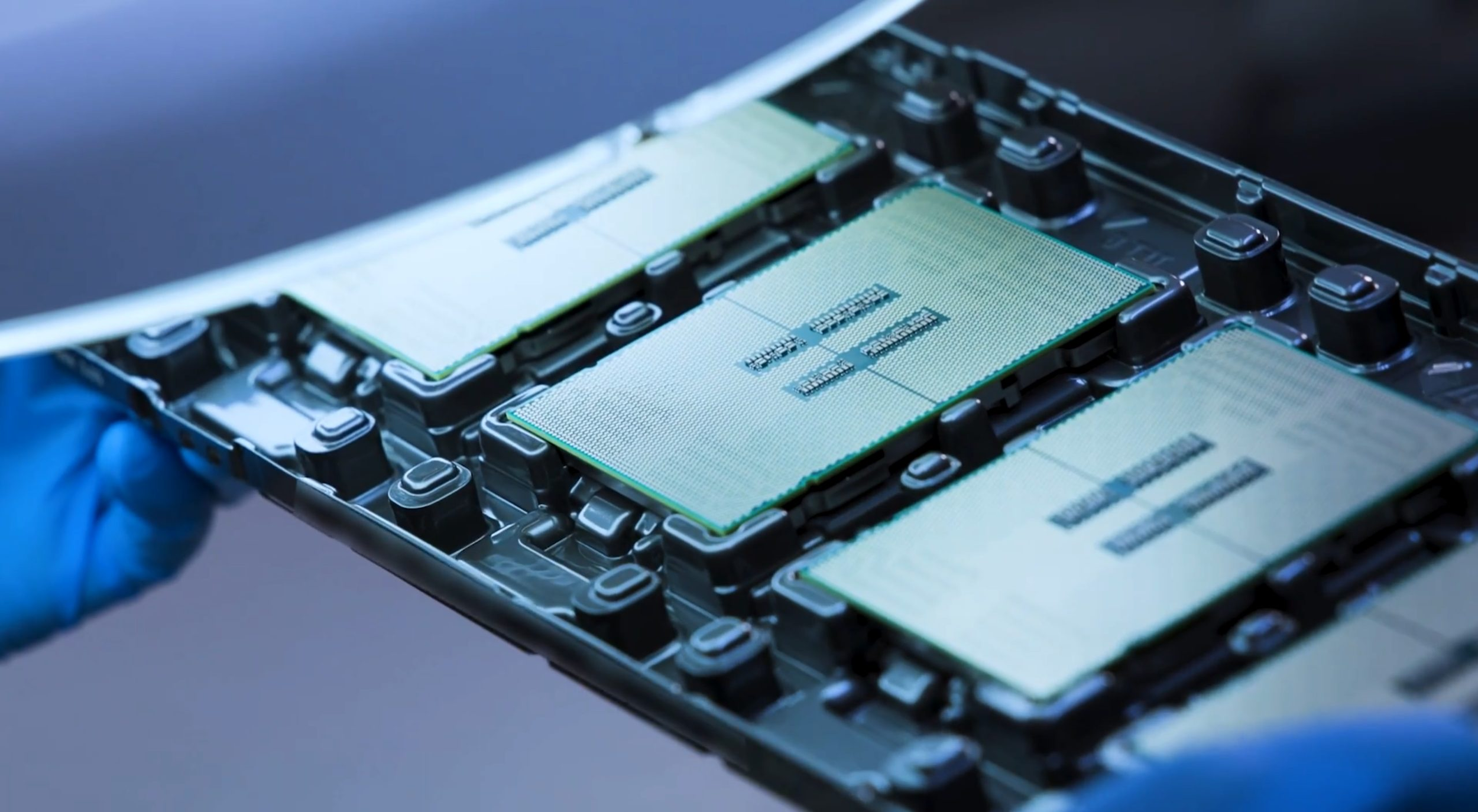
This does not mean every salvaged die can become a successful product. Chips still need to meet strict validation, reliability, power, and performance standards. Data center customers will not accept unstable silicon. But binning allows manufacturers to sort chips into suitable product categories based on what each die can reliably deliver. In a supply constrained market, that flexibility becomes extremely valuable.
For customers, this also reflects a broader infrastructure reality. AI companies are not only chasing the fastest chips. They are trying to secure enough compute to support fast growing workloads. In many cases, having more CPUs available now may matter more than waiting for only the highest end SKUs. Lower tier Xeon parts can still support orchestration, storage, networking, background services, inference pipelines, and other workloads that do not always require flagship CPU performance.
The margin lift also gives Intel another positive signal after its recent earnings call. The company has been working to improve execution across foundry, data center, client computing, and AI infrastructure. If rising CPU demand allows Intel to increase wafer utilization and monetize more silicon, that supports the broader turnaround story.
However, this advantage depends on demand staying elevated. If CPU supply catches up or AI infrastructure spending slows, lower value dies may not command the same usefulness or pricing power. For now, though, the market appears tight enough that Intel can benefit from every usable piece of silicon it can produce.
The takeaway is simple: agentic AI is changing the economics of CPUs. GPUs remain critical, but CPUs are becoming a larger and more valuable part of the AI stack. Intel’s ability to sell salvaged Xeon dies shows just how strong the demand environment has become.
In a market this supply constrained, even chips that might have once been considered marginal can become profitable products.
Will agentic AI keep pushing CPU demand higher, or is this only a temporary supply crunch before the market stabilizes?
