
AMD Reportedly Raises GDDR6 Prices for Radeon Partners Starting October 1
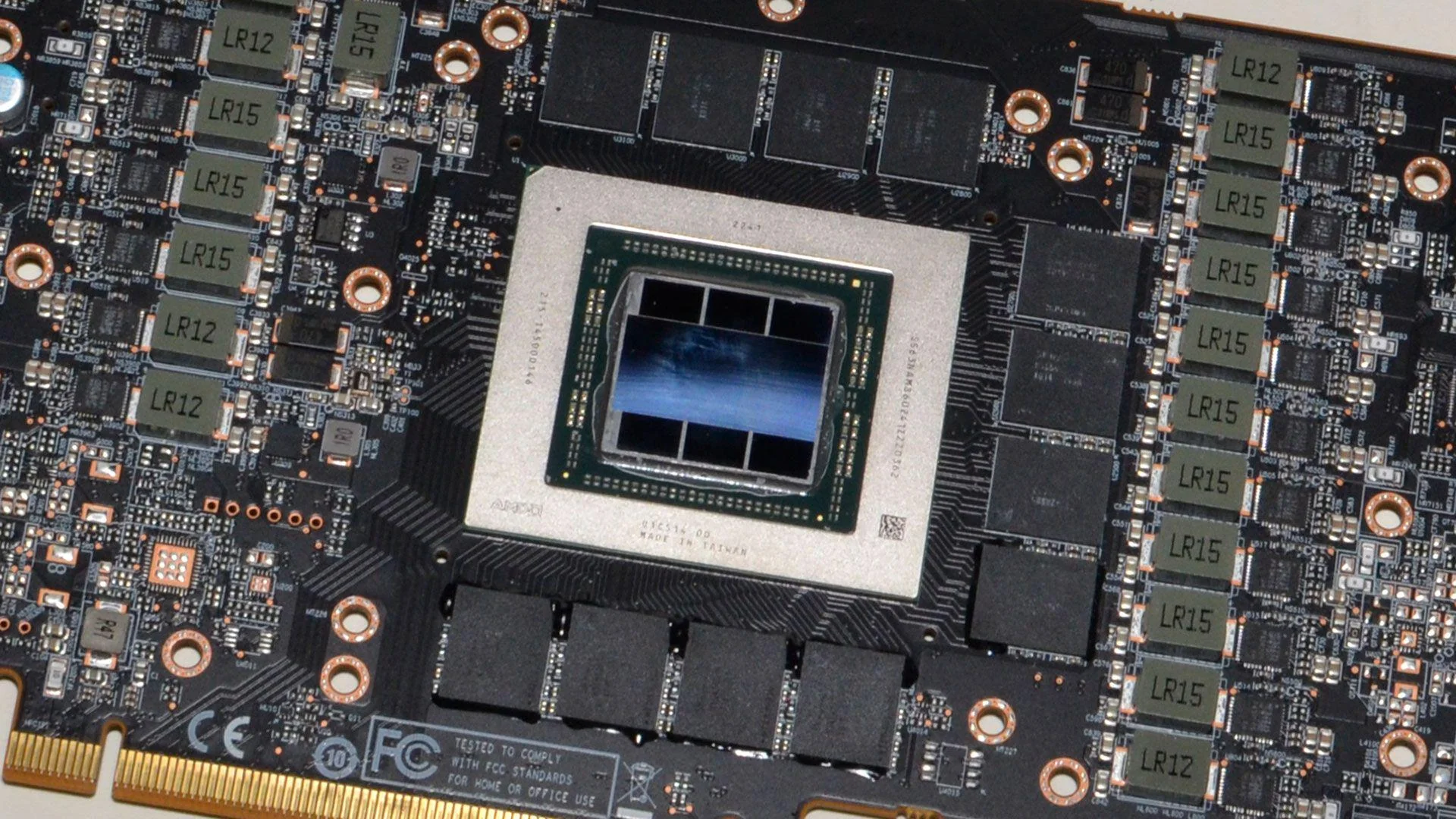
AMD has reportedly increased the price of GDDR6 memory supplied alongside its Radeon GPUs to board partners, adding another cost pressure to a graphics card market already dealing with higher memory and component expenses. BenchLife published the report on Oct-10, citing information from Board Channels, and said the new pricing had already taken effect from Oct-1. AMD has not publicly confirmed the adjustment, and the report does not disclose the percentage or monetary increase.
The change concerns GDDR6 supplied to AMD's AIB partners for Radeon graphics card production. Because memory is only one part of the total board cost, the adjustment does not translate directly into an equivalent retail increase. Its impact will depend on existing inventory, component contracts, regional distribution, and how much of the additional cost manufacturers choose to absorb.
This is also not the first Radeon partner cost adjustment reported during 2026. In July, AMD was said to have warned ASUS, Sapphire, XFX, and other partners of approximately 10% higher Radeon GPU and memory bundle costs. The October report concerns another GDDR6 adjustment taking effect at the beginning of Q4 rather than confirmation that the earlier increase was simply repeated.
BenchLife says Intel has also adjusted GDDR6 pricing supplied to its AIB partners during Q4 2026, putting AMD and Intel in the same position for the current quarter. NVIDIA is different. As of BenchLife's October 10 report, NVIDIA had not notified its AIC partners of another Q4 increase for GDDR6 or GDDR7 supplied through its GPU Kits. This should not be interpreted as confirmation that NVIDIA memory pricing has remained unchanged throughout 2026, only that another adjustment for Q4 had not been confirmed at the time of reporting.
BenchLife suggested that NVIDIA could potentially manage GeForce RTX margins through the allocation of GPU Kits, which bundle the GPU with GDDR6 or GDDR7 memory, rather than through another direct price increase. However, that remains speculation from the publication and has not been confirmed by NVIDIA.
Graphics memory is only part of the broader supply chain pressure. BenchLife notes that PCBs, power management ICs, capacitors, resistors, and other components are also facing higher costs or longer lead times, increasing pressure on graphics card manufacturers as they prepare new production batches.
The situation is already visible in regional channel guidance, the Radeon RX 9000 pricing increases in China, although those figures concern local pricing guidance and should not be treated as a universal indication of global retail changes.
The key detail is that AMD and Intel are both reportedly increasing GDDR6 costs for graphics partners during Q4, while NVIDIA had not communicated another equivalent increase as of October 10.
That creates a slightly different cost environment for each GPU vendor, but it is too early to conclude that NVIDIA partners have a pricing advantage. Memory is only one part of graphics card production, and allocation, PCB costs, power components, inventory, and existing supplier contracts can all influence the final retail price.
For Radeon specifically, the October adjustment may already be affecting newer production batches, making memory costs another factor to watch as RX 9000 cards move deeper into Q4.
Do you think rising graphics memory costs will push GPU prices higher again, or can board partners absorb enough of the increase to keep retail pricing stable?
