
AMD Radeon RX 9000 Pricing Reportedly Jumps in China as RX 9070 XT Guidance Hits 6,999 RMB
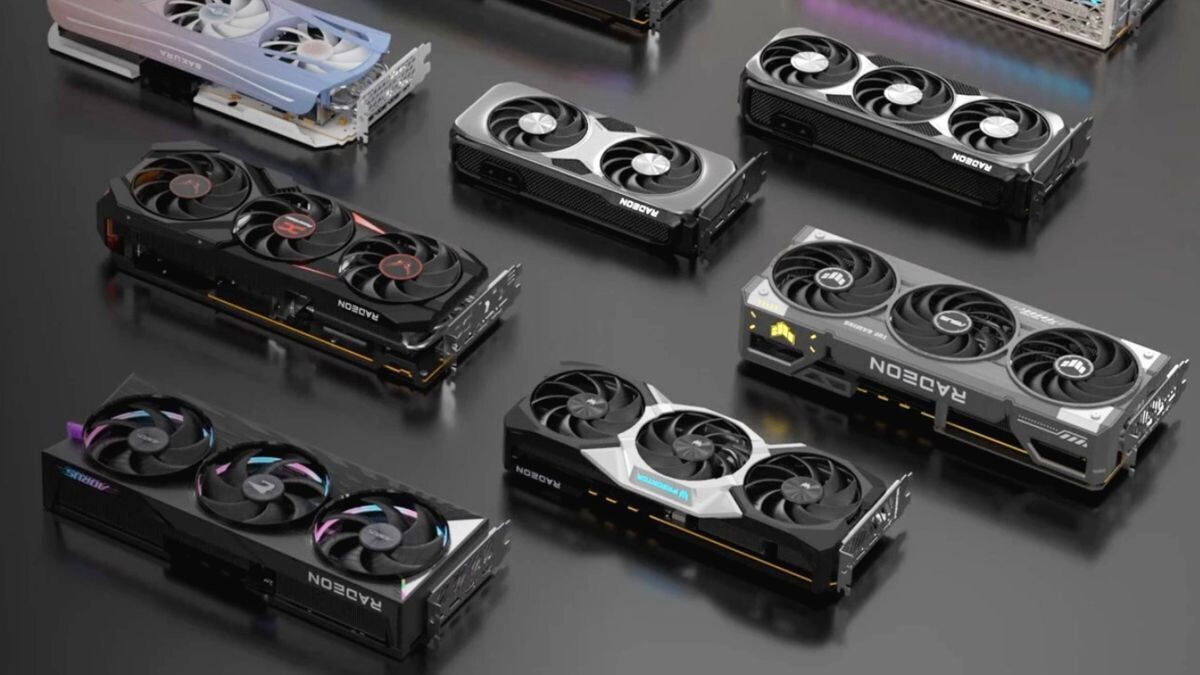
AMD Radeon RX 9000 graphics cards could be facing another substantial price increase as new Chinese channel information points to significantly higher Q3 2026 sales guidance across the RDNA 4 lineup. The Radeon RX 9070 XT is reportedly receiving the largest adjustment, with suggested retail guidance reaching 6,999 RMB, approximately 1,037$, while the Radeon RX 9060 XT 16 GB climbs to 4,299 RMB, approximately 637$. The information currently applies to Chinese channel guidance and AMD has not confirmed equivalent new pricing for the United States or Europe.
The channel document lists a new Q3 Suggested E tail Price alongside standardized Chinese MSRP figures for the Radeon RX 9070 XT, RX 9070, RX 9070 GRE, RX 9060 XT 16 GB, RX 9060 XT 8 GB, and RX 7650 GRE. The largest gap appears on the RX 9070 XT, where the reported 6,999 RMB guidance is 25% above the 5,599 RMB comparison price shown in the document. VideoCardz notes that AMD originally launched the RX 9070 XT in China at 4,999 RMB, meaning the new Q3 guidance would actually sit approximately 40% above its original Chinese launch price.
| GPU | Reported Q3 Guidance | Comparison Price | Difference |
|---|---|---|---|
| Radeon RX 9070 XT | 6,999 RMB | 5,599 RMB | 25% |
| Radeon RX 9070 | 5,599 RMB | 5,199 RMB | 7.7% |
| Radeon RX 9070 GRE | 4,599 RMB | 3,999 RMB | 15% |
| Radeon RX 9060 XT 16 GB | 4,299 RMB | 3,599 RMB | 19.4% |
| Radeon RX 9060 XT 8 GB | 3,099 RMB | 2,699 RMB | 14.8% |
| Radeon RX 7650 GRE | 2,499 RMB | 2,359 RMB | 5.9% |
The percentages above calculate how much the new reported guidance exceeds the comparison price rather than expressing the difference as a percentage of the new price. This distinction matters because describing the RX 9070 XT adjustment as approximately 20% understates the actual increase from 5,599 RMB to 6,999 RMB, which is approximately 25%.
The Radeon RX 9060 XT 16 GB is another heavily affected model. Its reported guidance rises from a 3,599 RMB comparison price to 4,299 RMB, placing it increasingly close to the RX 9070 GRE at 4,599 RMB. The 8 GB version climbs to 3,099 RMB, while the RX 9070 GRE reaches 4,599 RMB and the standard RX 9070 moves to 5,599 RMB. Current Chinese retail listings have not adopted these prices consistently, with inventory, promotions, and individual board partner models still producing substantial variation.
AMD's official international launch pricing remains considerably lower. The company introduced the Radeon RX 9070 XT at 599$ and RX 9070 at 549$ in March 2025, with both carrying 16 GB of GDDR6 memory. The Radeon RX 9060 XT later arrived with official US suggested prices of 349$ for the 16 GB version and 299$ for the 8 GB model. AMD has not publicly announced that these US prices have been replaced.
The latest development follows earlier reports that AMD was raising the price of GPU and memory bundles supplied to its graphics card partners. In July, AMD reportedly warned ASUS, XFX, Sapphire, and other partners of approximately 10% higher Radeon bundle costs, potentially increasing one of the largest component expenses involved in producing an RX 9000 graphics card. That earlier report concerned upstream partner costs rather than a direct change to consumer MSRP.
Memory remains one of the clearest pressures behind the wider GPU pricing environment. AMD acknowledged in its latest regulatory filing that the semiconductor industry is experiencing an industry wide memory shortage because demand has exceeded available supply, while memory pricing has also increased. AMD warned that difficulty obtaining memory at reasonable costs could increase production expenses and negatively affect margins.
Graphics cards with larger memory configurations are particularly exposed because the Radeon RX 9070 XT and RX 9070 both include 16 GB of GDDR6, while the RX 9060 XT is available with either 8 GB or 16 GB. The situation is not limited to AMD. MSI recently raised graphics card channel prices by more than 20%, with both Radeon RX 9000 and GeForce RTX 50 products affected as graphics memory and other component costs move higher.
NVIDIA has experienced even more severe retail inflation in several US segments. Recent Newegg tracking showed the RTX 5060 Ti 16 GB reaching a median 804.99$, while the RTX 5070 climbed to 899.99$. That creates an increasingly difficult environment for PC gamers because the competitive advantage of one vendor offering cheaper alternatives becomes much smaller when memory and manufacturing costs affect the entire graphics card market.
The important distinction is that this is currently Chinese Q3 channel guidance, not confirmation that AMD has officially changed Radeon pricing worldwide. The RX 9070 XT moving toward 6,999 RMB is nevertheless concerning because China has already experienced several GPU pricing adjustments that later appeared in other regions through more expensive replacement inventory.
Radeon's strongest weapon throughout RDNA 4 has been value. The RX 9070 XT originally entered at 599$ with 16 GB of memory and competitive 1440p and 4K performance, giving AMD a strong alternative to more expensive GeForce products. Repeated increases weaken that positioning even if Radeon remains cheaper than similarly inflated NVIDIA cards.
The wider problem is becoming increasingly difficult for the PC gaming market to avoid. GPU silicon is not suddenly becoming dramatically faster when prices rise by 20% or more. Gamers are simply paying more for the same performance tier as memory shortages, component inflation, and distribution costs move through the supply chain.
If Radeon RX 9000 prices rise significantly in your market, would you still choose AMD, switch to NVIDIA or Intel, or keep your current GPU for another generation?
