
MSI Raises Graphics Card Prices by More Than 20% as Memory Shortage Deepens
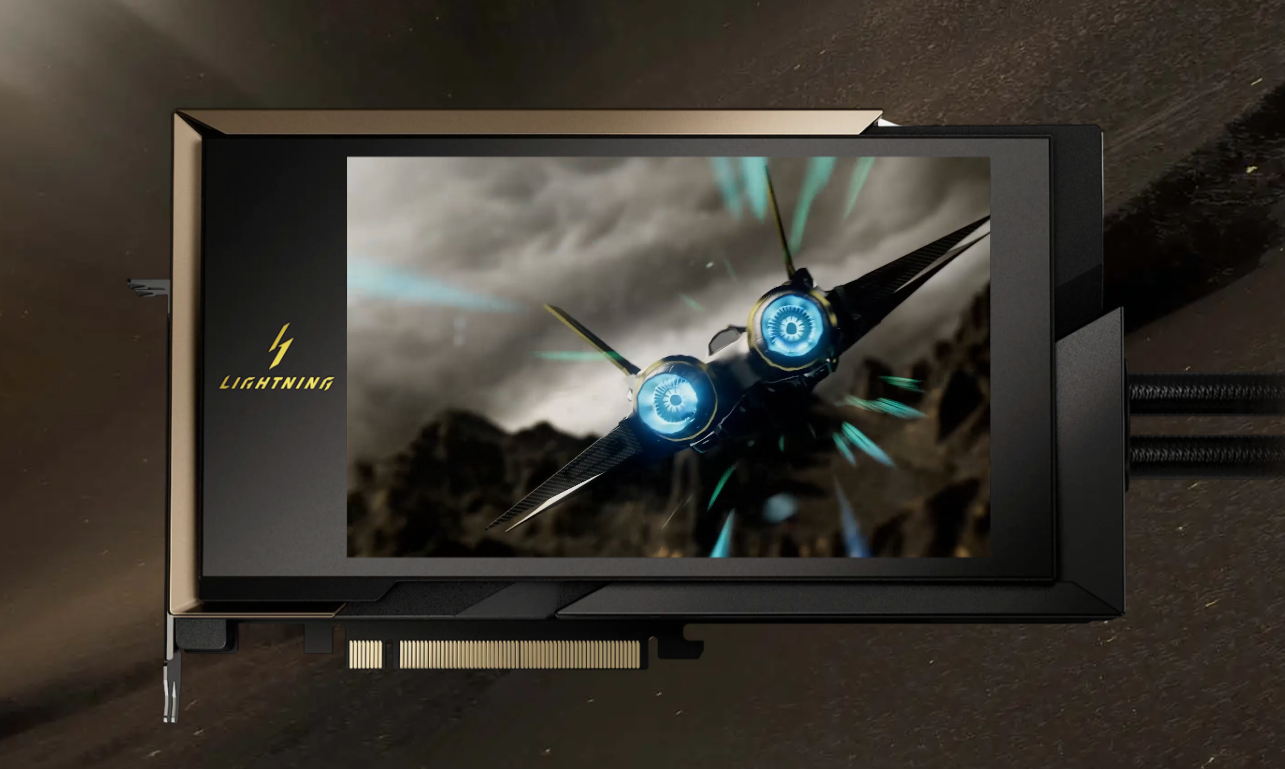
MSI has reportedly introduced a new graphics card pricing structure in China, increasing distributor prices by approximately 20% or more compared with July 2026. The adjustment follows similar increases from ASUS and Gigabyte and affects products ranging from the GeForce RTX 50 Series to older RTX 30 Series models.
The largest reported MSI increase applies to selected GeForce RTX 5080 models, which could rise by as much as 2,100 yuan, approximately $311. GeForce RTX 5070 Ti cards face increases reaching 1,350 yuan, approximately $200, while the RTX 5070 and RTX 5060 Ti 16 GB could increase by between 1,000 and 1,400 yuan.
| MSI Graphics Card | Reported Increase in Yuan | Approximate Increase |
|---|---|---|
| GeForce RTX 5080 and RTX 5070 Ti | ¥1,350 to ¥2,100 | $200 to $311 |
| GeForce RTX 5070 and RTX 5060 Ti 16 GB | ¥1,000 to ¥1,400 | $148 to $207 |
| GeForce RTX 5060 Ti 8 GB and RTX 5060 | ¥600 to ¥650 | $89 to $96 |
| GeForce RTX 5050 | ¥550 | $82 |
| GeForce RTX 3050 | ¥370 | $55 |
Mainstream graphics cards are therefore not protected from the latest adjustment. An additional $89 to $96 on an RTX 5060 or RTX 5060 Ti could have a greater effect on the wider PC gaming market than the larger absolute increases affecting premium models, since these cards target buyers with considerably tighter system budgets. Even the RTX 3050, which is based on the older Ampere architecture, reportedly receives another price increase.
The new pricing comes shortly after MSI increased several RTX 50 Series products in China during July. The RTX 5080 Shadow 3X OC and Ventus models previously moved from 9,999 yuan to 11,999 yuan, representing a 20% increase, while selected RTX 5070 Ti models rose by approximately 18% to 19.5%. Those prices were already significantly above NVIDIA’s official suggested levels before the latest August distributor adjustment.
Graphics memory remains one of the main sources of pressure. Rising GDDR6 and GDDR7 costs are increasing the price of the GPU and memory packages supplied to graphics card manufacturers, while cooling systems, circuit boards, electronic components, packaging, and distribution expenses are also becoming more expensive. Previous reports on NVIDIA increasing GDDR6 and GDDR7 kit prices explained how those upstream adjustments could move through board partners before reaching retailers and consumers.
ASUS and Gigabyte have introduced comparable increases across NVIDIA and AMD products. ASUS reportedly raised its RTX 5090 D V2 distributor price by 4,500 yuan, approximately $667, while Gigabyte increased the same model by 4,000 yuan, approximately $593. Radeon RX 9000 products are also affected, confirming that the pricing pressure extends beyond NVIDIA’s Blackwell generation.
The reported changes currently concern Chinese channel pricing and do not confirm identical increases in the United States or Europe. However, distributors in Japan and South Korea have also reported substantial graphics card adjustments, suggesting that replacement inventory could become more expensive across additional regions as existing stock is depleted.
MSI joining ASUS and Gigabyte confirms that the latest GPU price movement is becoming an industry wide adjustment rather than an isolated manufacturer decision. The most damaging effect may not appear at the RTX 5090 level, where buyers already expect extreme pricing, but across the RTX 5050, RTX 5060, and RTX 5070 families that support mainstream PC gaming.
Manufacturers can absorb part of the additional cost, reduce promotional discounts, or prioritize higher margin products, but none of those responses improve affordability. If memory supply remains constrained through 2027, lower volume production of entry level graphics cards could create an even wider gap between integrated graphics and premium gaming hardware.
The market also faces a confidence problem. Consumers who expect another increase may purchase earlier, while distributors may hold inventory until replacement prices rise. That behavior can intensify shortages and push retail pricing above the actual increase in component costs.
Would another 20% graphics card price increase make you upgrade now, purchase used hardware, or delay your gaming PC build?
