
ASUS Raises Motherboard Prices as Gigabyte and MSI Prepare Q3 Increases
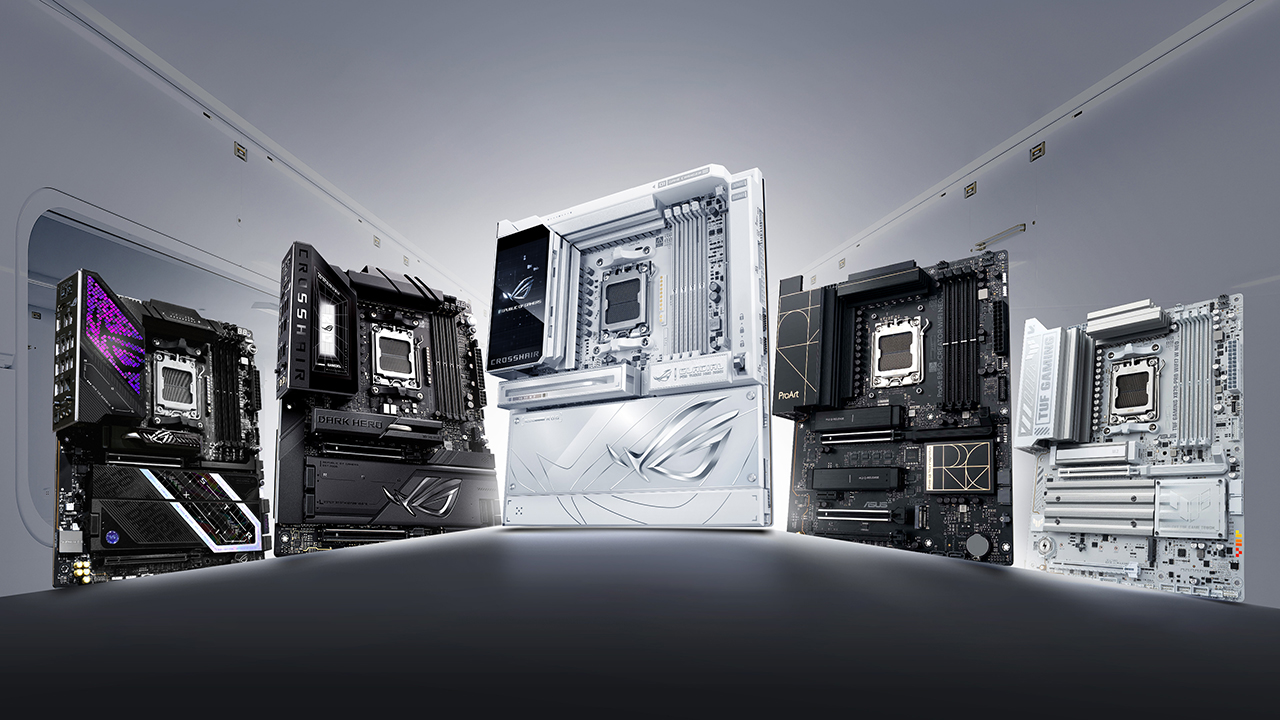
ASUS has reportedly started increasing channel prices for selected Intel and AMD motherboards in early August 2026, while Gigabyte and MSI are expected to introduce their own adjustments during the third quarter. The changes arrive as motherboard manufacturers face higher production costs, weaker DIY PC demand, and declining shipment volumes across the consumer hardware market. The information comes from Board Channels reports covered by VideoCardz.
Board Channels estimates that the cost of printed circuit boards used in consumer motherboards could increase by at least 50% during 2026. Copper, surface mounted capacitors, power delivery components, and supporting controller chips have also reportedly become more expensive. This does not mean completed motherboard retail prices will automatically rise by 50%, since the PCB represents only part of the total production cost.
ASUS has reportedly become one of the first manufacturers to implement a revised channel pricing structure. Selected Intel Z890, Z790, and B860 motherboards are increasing by between 20 and 30 yuan, while some B760 models receive a 20 yuan adjustment. Selected distribution focused B760 products rise by 5 yuan, and entry level Intel H series models increase by between 5 and 10 yuan.
On the AMD side, selected X870 motherboards receive the largest ASUS adjustment, increasing by between 30 and 50 yuan. Premium B850 models rise by 20 yuan, while other B850 products and older AMD 600 series motherboards reportedly retain their previous channel prices for now.
| ASUS Motherboard Series | Reported Channel Increase |
|---|---|
| Intel Z890, Z790, and B860 | ¥20 to ¥30 |
| Intel B760 Main Models | ¥20 |
| Selected Intel B760 Distribution Models | ¥5 |
| Intel H Series | ¥5 to ¥10 |
| AMD X870 | ¥30 to ¥50 |
| Premium AMD B850 Models | ¥20 |
| Other AMD Series | No reported change |
The model specific changes remain modest compared with the reported 50% increase in PCB costs, suggesting ASUS is currently passing only part of the additional expense through its distribution network. Retail prices may also differ depending on existing inventory, regional taxes, distributor margins, promotional activity, and currency movements.
Gigabyte and MSI have not publicly announced equivalent model specific adjustments, but Board Channels expects both companies to revise motherboard pricing during Q3 2026. The objective would be to recover margins for manufacturers and distributors after material costs increased while consumer demand weakened.
Motherboard manufacturers are being pressured from both directions. Enterprise and cloud infrastructure customers are consuming large quantities of electronic components while accepting prices that consumer hardware companies may struggle to match. At the same time, expensive DDR5 memory, graphics cards, processors, and storage products are discouraging PC builders from starting new systems, reducing motherboard shipments and leaving manufacturers with fewer units across which to distribute development and production expenses.
Neither ASUS, Gigabyte, nor MSI has publicly confirmed a broad global motherboard pricing increase. The reported adjustments currently concern channel information, meaning their final effect on stores outside Asia remains uncertain.
The important distinction is that a 50% increase in PCB costs does not equal a 50% increase in the retail price of a completed motherboard. ASUS currently appears to be making relatively small adjustments, but the direction of the market is increasingly difficult for PC builders.
Motherboards are now joining memory, graphics cards, processors, and storage in the wider hardware price cycle. NVIDIA has already reportedly increased GDDR6 and GDDR7 graphics card kit prices, while memory shortages continue raising the cost of complete gaming systems.
The greatest risk is cumulative rather than isolated. A small motherboard increase may appear manageable, but combining it with more expensive DDR5, GPUs, SSDs, cooling hardware, and power supplies can add a significant premium to a complete gaming PC. Higher prices could then weaken demand further, leaving manufacturers dependent on fewer premium sales and creating additional pressure to protect margins.
Would rising motherboard prices make you delay a platform upgrade or choose an older AMD or Intel chipset?
