
NVIDIA Reportedly Raises GDDR6 and GDDR7 Kit Prices for GeForce GPUs
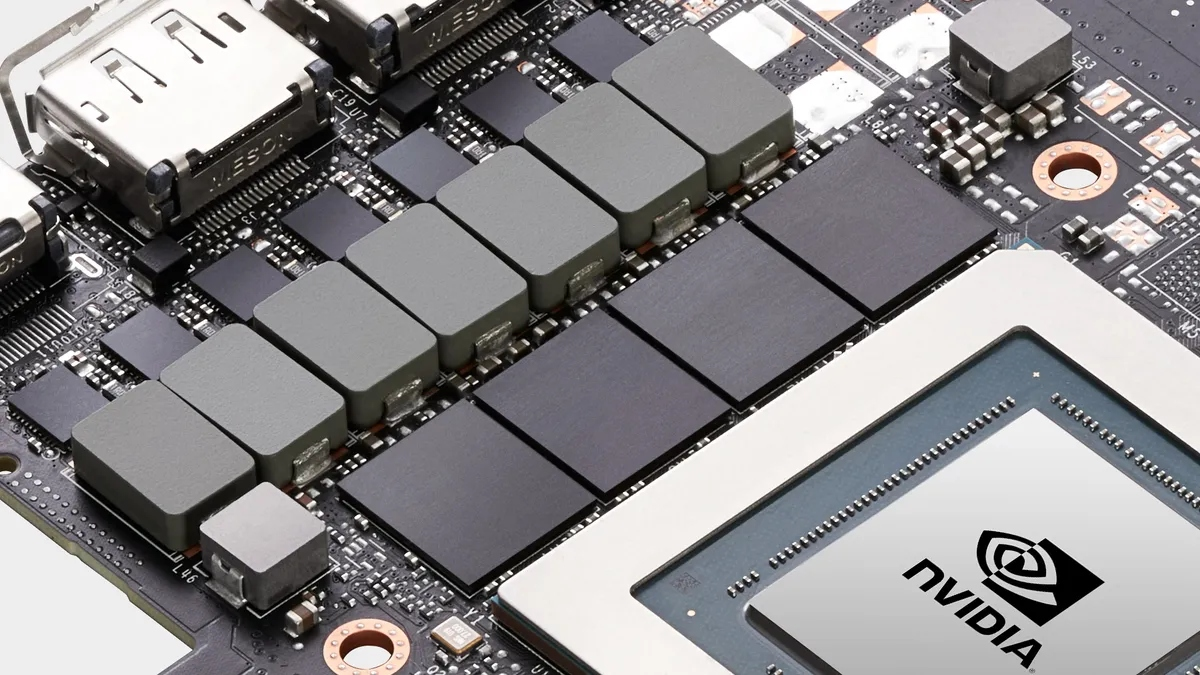
NVIDIA has reportedly notified its graphics card partners of another price adjustment affecting GPU kits containing both GDDR6 and GDDR7 memory, potentially placing additional pressure on GeForce RTX retail pricing. The information comes from BenchLife, which says the company has issued updated pricing notices to its board partners. NVIDIA has not officially confirmed the change or disclosed the size of the reported increase.
Board partners commonly receive the graphics processor and its required video memory as a combined kit from NVIDIA before integrating the components onto custom circuit boards. According to BenchLife, the latest adjustment includes Blackwell products using GDDR7 and other GeForce products equipped with GDDR6, meaning the impact may extend beyond the current RTX 50 Series. The report does not identify the affected models or provide revised partner pricing.
"According to information we have received, in addition to the price increase of GDDR7 memory based on the Blackwell GPU architecture, other GeForce products using GDDR6 memory will also see price increases."
— Quote by: BenchLife
BenchLife says NVIDIA previously increased kit pricing for the GeForce RTX 5090 and RTX 5090 D V2 during May 2026. The latest notice reportedly expands the adjustment across additional products as graphics memory availability remains constrained. Board partners are also facing higher expenses for cooling systems, circuit boards, electronic components, and packaging, although BenchLife claims those increases remain smaller than the pressure affecting GDDR6 and GDDR7 memory.
Retail graphics card prices will not necessarily increase immediately. Products already manufactured or distributed through retailers may retain their existing pricing until replacement inventory arrives. Manufacturers could also absorb part of the additional expense, reduce promotional discounts, modify production volumes, or prioritize models offering stronger margins. NVIDIA and its partners have not announced any official changes to GeForce recommended retail prices.
The report follows earlier signs that graphics memory costs are reshaping the GPU market. TrendForce reported in January that rising GDDR6 and GDDR7 prices had contributed to partner price adjustments ranging from approximately 10% to 15%, depending on the memory configuration. Graphics cards containing 16 GB or more of video memory were reportedly experiencing some of the greatest pricing pressure.
The situation may be particularly difficult for NVIDIA’s rumored RTX 50 SUPER lineup. Previously reported that completed cards may already exist at a board partner, but the launch is reportedly being held back by the cost of 3 GB GDDR7 components. An unnamed industry source claimed that each 3 GB module costs between US$60 and US$70, compared with approximately US$20 for a 2 GB component.
The latest report shows that securing memory capacity does not completely protect NVIDIA from rising component costs. The company may have stronger supply agreements than many competitors, but consumer graphics cards still operate within a market where GDDR availability, cooling expenses, and circuit board costs continue to increase.
For gamers, the greatest concern is not simply that existing models may become more expensive. Higher memory costs could also discourage NVIDIA from offering larger video memory capacities at mainstream price points. The rumored RTX 50 SUPER series could address criticism surrounding limited VRAM, but its commercial value would quickly weaken if the added capacity produces a substantial retail premium.
Buying decisions should still be based on current local pricing rather than expectations of an immediate universal increase. The reported adjustment has not been officially confirmed, and its final impact will vary by model, manufacturer, inventory level, and regional distribution.
Would you purchase an RTX graphics card now to avoid possible increases, or wait for memory pricing and the RTX 50 SUPER situation to become clearer?
