
Apple Intel Chip Deal Could Spark €4.6 Billion Equipment Rush for ASML as BofA Sees Major Foundry Upside
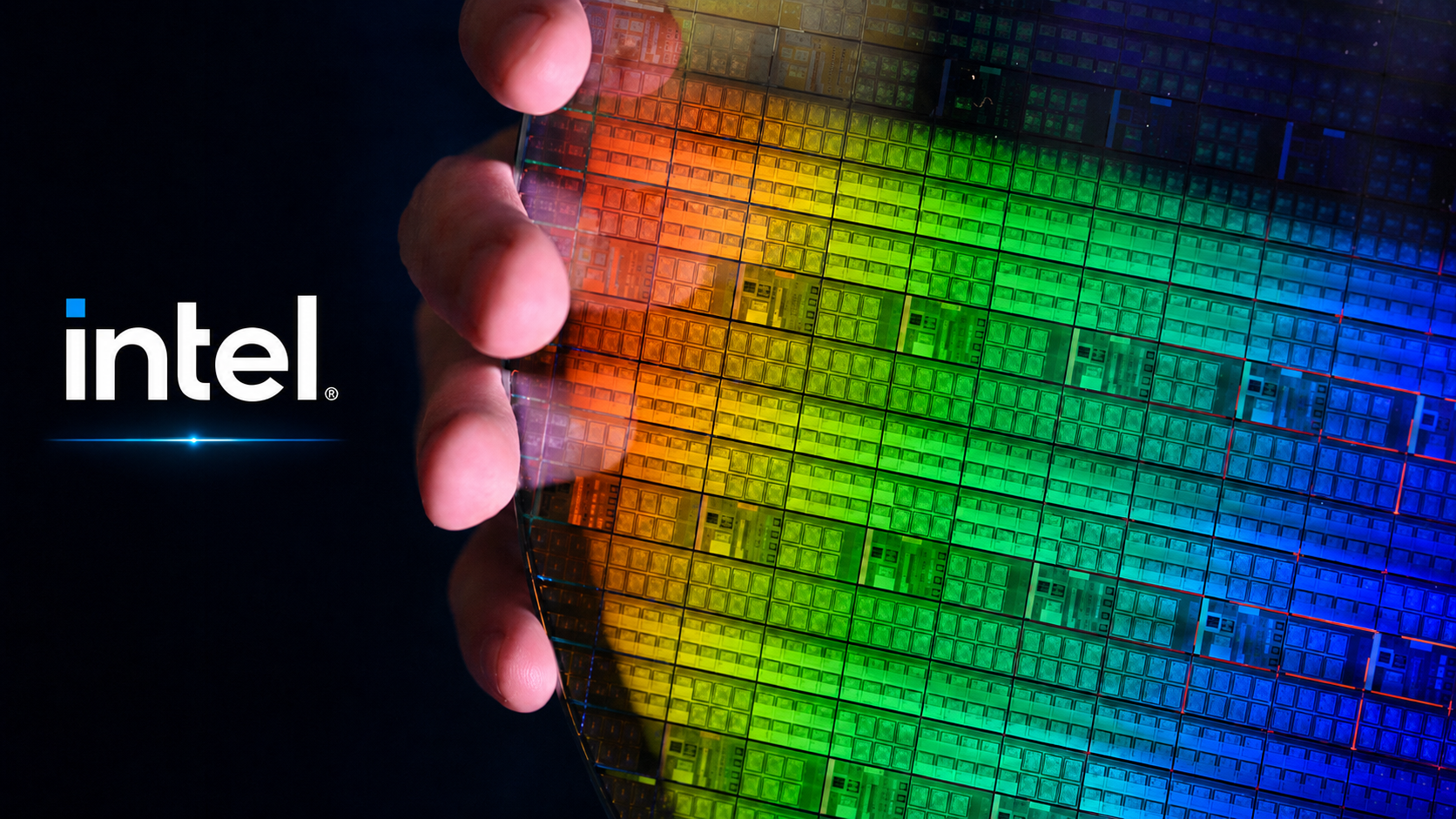
A potential chip manufacturing deal between Apple and Intel is now drawing attention far beyond the 2 companies themselves, with Bank of America reportedly estimating that the agreement could unlock a major new wave of semiconductor equipment spending across Europe. According to Dutch media coverage of the analyst note, BofA believes the deal could be worth around 10 billion dollars and could create a meaningful demand surge for Dutch chip equipment leaders such as ASML and BE Semiconductor, especially if the partnership eventually extends to iPhone related production. The original BofA coverage was reported by De Aandeelhouder. Reuters separately reported on May 8 that Apple and Intel had reached a preliminary chip making deal, citing a Wall Street Journal report, though the specific Apple products involved were not disclosed.
The central idea behind the BofA argument is simple. If Intel really does win meaningful Apple chip volume, it will likely need to expand manufacturing and advanced packaging capacity more aggressively, which in turn would mean buying more high end production tools. In BofA’s reported base case, ASML could benefit from about 1.8 billion euros in new orders. In the more aggressive scenario, where the Apple Intel relationship also covers iPhone chips, the analyst reportedly sees ASML related demand rising to 4.6 billion euros, tied in part to as many as 15 EUV lithography systems. That is a huge number even by semiconductor capital spending standards, and it shows how one strategic customer could ripple across the entire equipment chain.
BE Semiconductor could also emerge as a major winner if the deal expands into advanced packaging and hybrid bonding. According to the same reported BofA estimates, Intel could need just 15 hybrid bonding tools in a more limited scenario, but that number could jump all the way to 182 machines if Apple includes iPhone products in the agreement and Intel handles a larger share of both manufacturing and packaging needs. That would be far above the roughly 80 machine level Intel had reportedly been expected to order across the 2024 to 2030 period, making this a potentially transformative demand event for BESI if the higher end scenario materializes.
The reason the market is treating this seriously is that the underlying Apple Intel story has already been picked up by major outlets. Reuters reported that the 2 companies had reached a preliminary agreement after more than a year of negotiations, describing it as a potential milestone for Intel’s foundry ambitions and for Washington’s goal of strengthening domestic chip production. Reuters also said the details remain unclear, including which Apple products would be involved, and noted that Apple currently relies primarily on TSMC for chip production. That uncertainty matters because the BofA upside case depends heavily on scope. An Apple Intel relationship focused on a narrower class of chips is one thing. A broader arrangement that touches iPhone volume is something much bigger.
From an industry perspective, the most important angle here may be what this says about Intel Foundry. Apple would not just be another customer. It would be a credibility signal. Winning Apple business would suggest that Intel’s manufacturing and packaging roadmap is becoming strong enough to attract one of the most demanding silicon buyers in the world. That would not only affect Intel’s own revenue outlook, but could also drive confidence across suppliers tied to EUV lithography, advanced packaging, and hybrid bonding. That is an inference based on the reported scale of the possible investment and Apple’s position in the market.
At the same time, this story still sits firmly in the reported and preliminary category. Reuters said neither Apple nor Intel provided immediate comment on the reported agreement, and the exact technology node, product segmentation, and timing remain unknown. So while the equipment upside being discussed by BofA is substantial, it should still be viewed as scenario analysis rather than a confirmed order book outcome. In other words, ASML and BESI could indeed be among the biggest secondary beneficiaries of an Apple Intel manufacturing pact, but only if the partnership evolves from a preliminary agreement into a broad production relationship with real volume behind it.
If this deal does move forward at scale, it could become one of the most important foundry and equipment stories in the semiconductor sector over the next few years, not just because of Intel and Apple, but because of what it would signal for the wider reshaping of chip manufacturing outside Taiwan.
Do you think Apple giving Intel foundry volume would be a true turning point for Intel’s manufacturing comeback, or is it still too early to treat this as a major industry shift?
