
Microsoft is reportedly preparing one of its most significant Windows 11 updates for 2027, focusing on performance, reliability, and operating system efficiency rather than introducing Windows 12. The upcoming Windows 11 27H2 update could become the largest system upgrade since version 24H2 in 2024, introducing substantial changes to core Windows components, improved support for future processors, and redesigned default wallpapers.
According to The Verge, Microsoft intends to deliver Windows 11 27H2 as a complete operating system upgrade rather than the smaller enablement packages used for versions 25H2 and 26H2. These previous releases primarily activated features already present through cumulative updates, while 27H2 is expected to replace or substantially modify underlying Windows components. The more extensive changes could require additional compatibility testing, with Windows Insider builds potentially arriving earlier than usual in 2027.
Performance optimization will reportedly remain a major development priority. Microsoft recently confirmed that its latest Windows 11 memory improvements deliver up to 20% better responsiveness and 40% faster multitasking on systems equipped with 8 GB of RAM, according to internal testing. These improvements are already available on supported Windows 11 26H2 systems rather than being exclusive to the upcoming update. The changes include improved memory compression, reduced background processing, and more efficient resource allocation, helping Windows retain more active application data in memory instead of relying on slower storage.
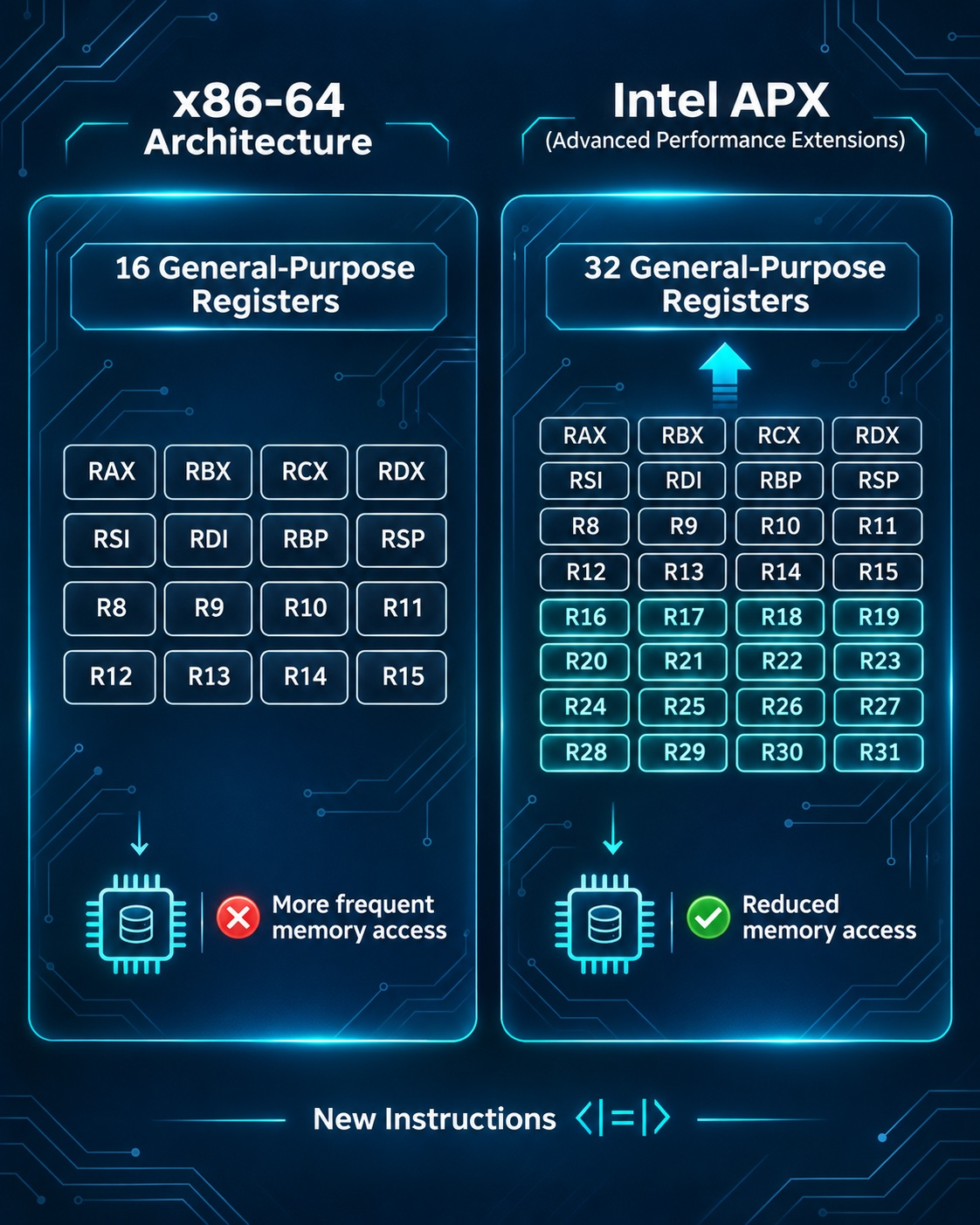
Another potential improvement involves Intel's Advanced Performance Extensions (APX). Microsoft has already begun testing support for the instruction set in experimental Windows builds. APX doubles the number of general purpose CPU registers from 16 to 32, potentially reducing unnecessary memory operations and improving execution efficiency in optimized 64 bit applications. However, the technology requires compatible processors and software, and Microsoft has not confirmed its inclusion in Windows 11 27H2.
Beyond internal performance changes, Microsoft is reportedly preparing to replace Windows 11's familiar Bloom wallpaper with several new designs. The updated backgrounds retain the colorful folded shapes associated with Windows 11 while introducing cloud inspired environments and variations targeting gaming, productivity, creativity, and commercial users. The company could unveil these designs during Microsoft Ignite in November 2026, with broader availability reportedly planned for January 2027.

Interestingly, Microsoft appears more interested in improving Windows 11 than releasing Windows 12 in 2027. The company has not officially announced the next major Windows version, and the final features, system requirements, and release schedule for 27H2 remain unconfirmed.
Microsoft's apparent decision to prioritize Windows 11 optimization over launching another operating system is a welcome direction. Users should not need increasingly powerful processors or additional RAM simply to maintain acceptable desktop performance, particularly as memory prices continue rising.
Improving memory management, responsiveness, and CPU efficiency could provide meaningful benefits for PC gamers, especially those using 8 GB or 16 GB configurations. However, these improvements must translate into measurable performance gains on real hardware rather than impressive results limited to controlled benchmarks.
Windows 11 needs better efficiency, stability, and user control more than another collection of unnecessary features. If 27H2 delivers substantial improvements without introducing additional restrictions or hardware requirements, it could become one of Microsoft's most valuable Windows updates in years.
Would you prefer Microsoft to focus on making Windows 11 faster and more efficient, or do you believe it is time for Windows 12 with a completely redesigned operating system?
