
Microsoft Says Windows 11 Is Up to 20% More Responsive With Better 8 GB RAM Efficiency
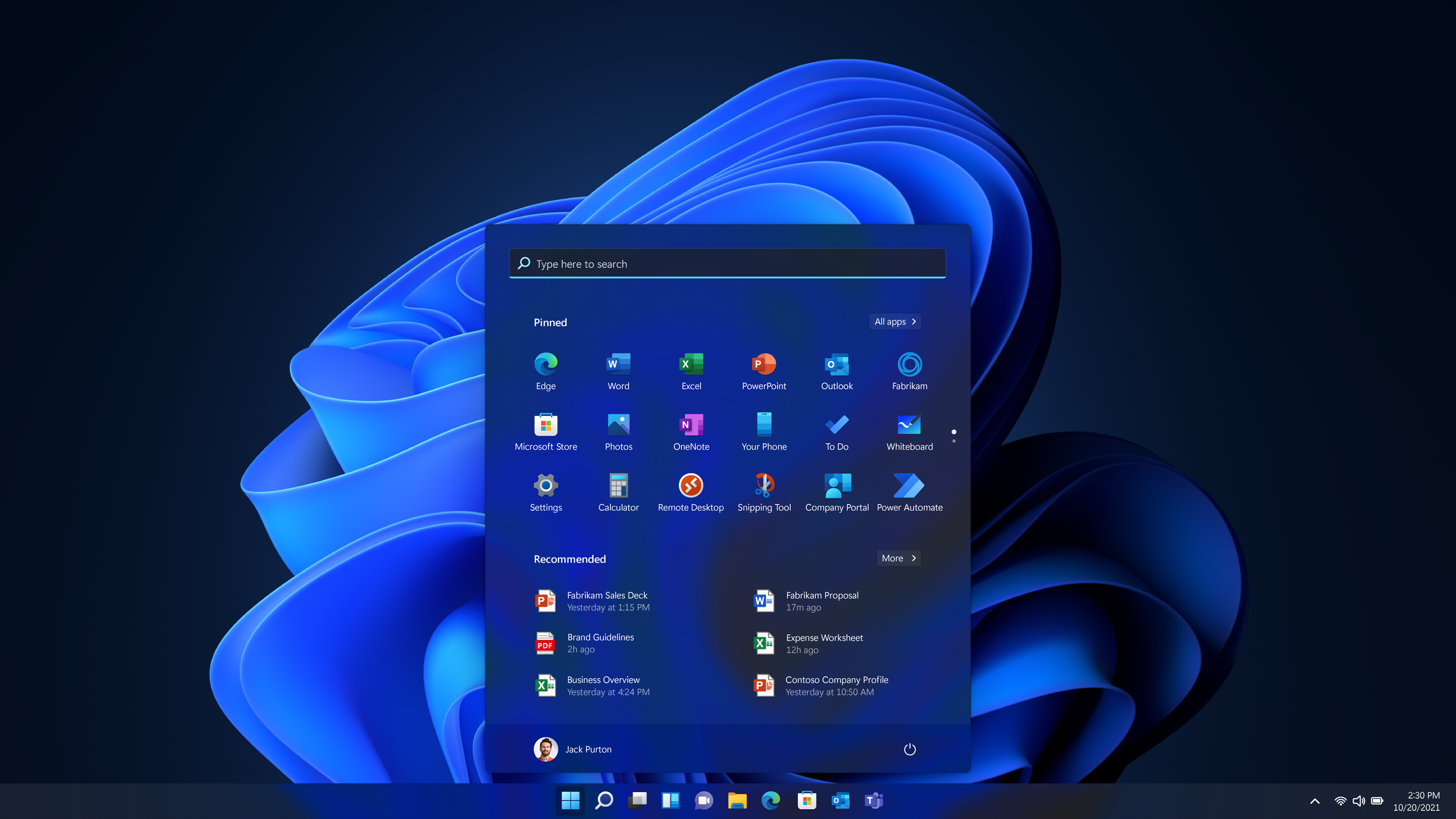
Microsoft has announced significant performance improvements for Windows 11, claiming the operating system is now up to 20% more responsive, alongside memory optimizations designed to improve performance on PCs equipped with just 8 GB of RAM. The improvements target everyday operations, including Start, File Explorer, Search, Settings, and application responsiveness, as the company continues addressing complaints about Windows 11's resource consumption.
According to Microsoft's official announcement, published on October 15, the performance improvements are based on internal testing comparing Windows 11 builds 26300.9550 and 26200.7628. Microsoft measured response times across several Windows interface components, including Start, Search, File Explorer, Settings, Snipping Tool, and context menus. The reported 20% improvement represents selected interface responsiveness measurements rather than an overall increase in system performance or gaming frame rates.
One of the most important changes involves memory management. Microsoft claims Windows 11 can now retain up to 2 GB more active application data in physical memory instead of transferring it to slower storage through paging. This is particularly relevant for systems with 8 GB of RAM, where limited memory capacity can cause noticeable delays when switching between applications, opening browser tabs, or multitasking.
The company has also changed how Widgets operate on systems equipped with 8 GB of RAM or less. Rather than loading automatically in the background, Widgets now initialize when opened, potentially freeing more than 200 MB of memory for other applications.
Windows 11 Performance Improvements
| Improvement | Microsoft's Reported Results |
|---|---|
| Interface Responsiveness | Up to 20% faster |
| Active Data Retained in RAM | Up to 2 GB more |
| Memory Savings from Widgets | More than 200 MB |
| Optimized Components | Start, Search, File Explorer, Settings, Snipping Tool |
| Windows Builds Compared | 26300.9550 vs 26200.7628 |
| Availability | Gradual rollout |
Figures are based on Microsoft's internal measurements. The additional 2 GB represents active data retained in memory, not a 2 GB reduction in total RAM consumption.
These improvements build on Microsoft's earlier commitment to optimizing Windows 11 for 8 GB systems. The company has been reducing memory overhead through a more efficient memory allocator and improvements to WinUI 3, Chromium, and WebView2 components used throughout the operating system.
Microsoft is also introducing faster Windows Hello authentication, more flexible Windows Update controls, and improvements to Bluetooth connectivity. For gaming, the company continues expanding Advanced Shader Delivery, which provides precompiled shaders for supported titles to reduce initial loading times.
The performance and memory improvements are beginning to roll out more broadly following Windows Insider testing, although availability will vary depending on the device, Windows build, and region. Independent testing will be necessary to establish how consistently the reported gains translate to consumer hardware.
Microsoft's renewed focus on Windows 11 efficiency is a welcome development, particularly as rising DRAM prices make affordable memory configurations increasingly important. Reducing background memory consumption and limiting unnecessary paging could improve everyday responsiveness without requiring users to upgrade their hardware.
However, a 20% improvement in Windows responsiveness should not be confused with a 20% gaming performance increase. Modern games, background applications, and multitasking workloads still benefit significantly from 16 GB or 32 GB of RAM.
The most valuable improvement is Windows becoming less demanding on existing hardware. If Microsoft can consistently reduce its memory footprint while improving interface performance, it could extend the useful lifespan of older gaming PCs and budget laptops. The real test will be whether these gains remain noticeable under everyday workloads rather than controlled benchmarks.
Would better Windows 11 optimization make you comfortable using a PC with 8 GB of RAM, or do you consider 16 GB or 32 GB essential for modern gaming?
