
Tesla Terafab Accused of Recruiting Samsung Engineers and Demanding Aggressive AI Chip Terms
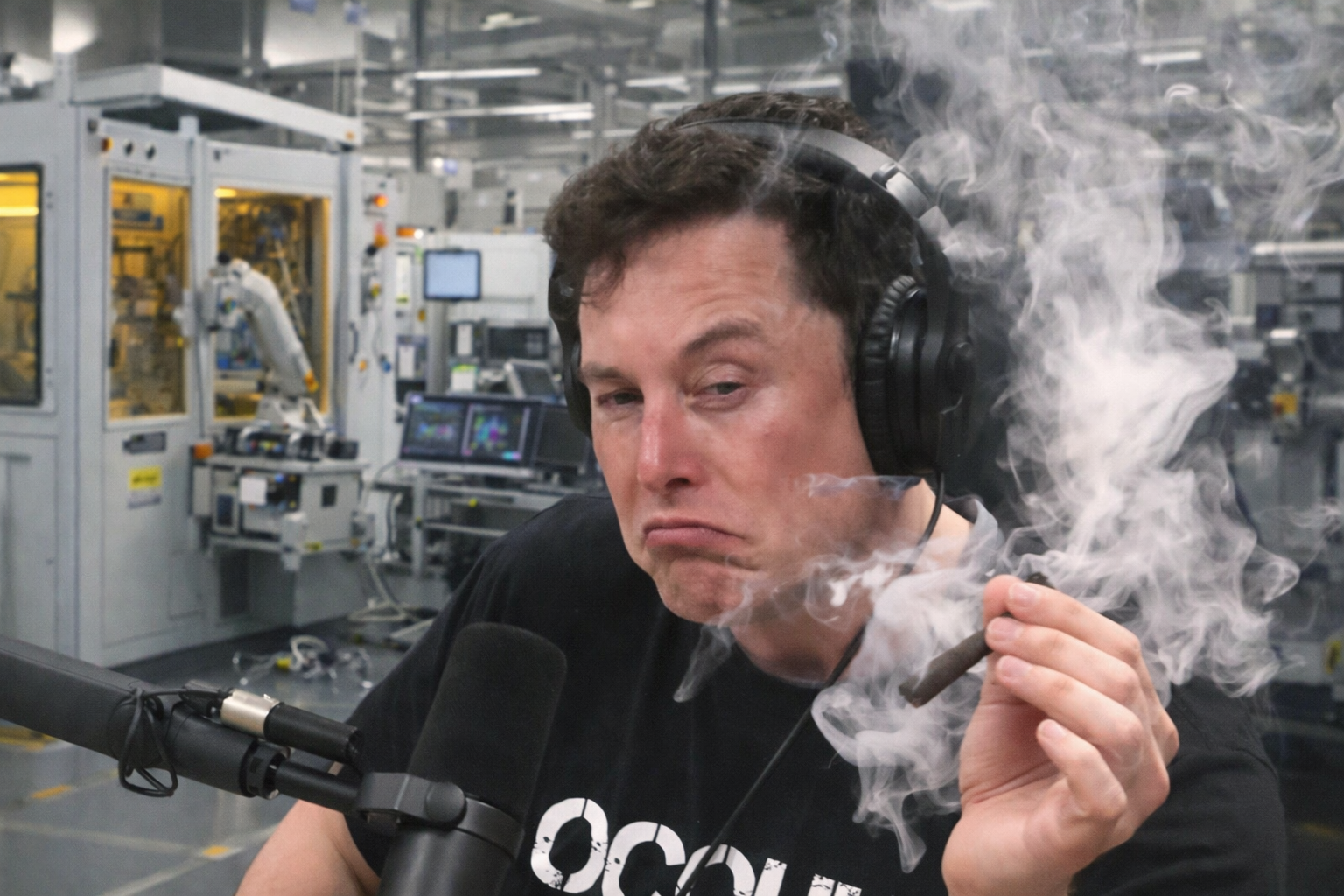
Tesla and Elon Musk's ambitious Terafab semiconductor project are facing allegations of aggressive recruitment practices and demanding contract negotiations involving Samsung Foundry. A South Korean semiconductor engineer claims Tesla sought access to sensitive manufacturing information, extensive audit rights, and substantially lower prices for its AI5 and AI6 processors while recruiting experienced engineers from Samsung's Texas operations. However, these accusations remain unverified, with neither company publicly confirming the alleged contractual demands or the scale of employee departures.
The allegations originated from semiconductor engineer @TTHUEONE, who criticized Tesla's reported approach to securing advanced semiconductor manufacturing capacity. The engineer claimed Tesla turned to Samsung after TSMC declined to accommodate its requirements, subsequently demanding access to internal fabrication information and inspection rights while negotiating aggressive pricing. The same source alleged that Terafab had recruited numerous employees from Samsung's Texas semiconductor operations. No supporting employment records, contract documents, or recruitment figures have been made public.
생각할수록 열받네. 삼성 파운드리에 AI5,AI6 맡길 때는 TSMC가 자기들 요구를 안 들어줘서 넘어온 거면서, 온갖 거지 같은 계약 조건 다 요구하고, 특히 팹 내부 정보 제공이랑 Audit까지 요구하면서 가격도 겁나 후려쳐 놓고. 거기다 자기 팹 짓겠다고 삼성 오스틴 팹 현지 인력까지 대거 빼가고 있는 마당에, 정작 삼성 메모리에는 대놓고 저딴 식으로 말한다고? 진짜 어이가 없네.
— THEONE (@TTHUEONE) October 14, 2026
The claims emerged shortly after Musk praised Micron for offering what he described as reasonable future memory pricing while criticizing unnamed suppliers for excessive demands. Although the remarks prompted speculation about Samsung, Musk did not publicly identify the companies involved. His comments also concerned memory pricing, which is separate from the alleged contractual terms for AI chip fabrication.
Tesla's relationship with Samsung is substantial. In July 2025, the companies reached a $16.5 billion semiconductor supply agreement covering future AI processors. More recently, South Korean publication Seoul Economic Daily reported that Samsung had begun trial production of Tesla's AI5 chips using its 2 nm manufacturing process at the Taylor, Texas facility, with commercial production targeted for 2027. These manufacturing developments are separately reported and do not substantiate the allegations about contractual pressure or employee recruitment.
The controversy also comes as Tesla expands its semiconductor ambitions through Terafab, a project intended to combine advanced chip manufacturing, memory production, packaging, and testing within a more integrated infrastructure. The initiative has already expanded recruitment into memory engineering and HBM development, positioning it to compete for specialized semiconductor talent in an industry facing considerable demand for experienced engineers.
Meanwhile, TSMC has confirmed discussions about potential involvement in Terafab. However, the companies have different expectations regarding operational control. TSMC maintains that any manufacturing facility using its technology must operate under its management, while Musk has expressed interest in maintaining control of the project himself. No agreement has been finalized.
For Samsung, the situation highlights the challenges of balancing major customer contracts with protecting manufacturing expertise as competition for advanced semiconductor capacity intensifies. Tesla's AI6 and AI6.5 manufacturing roadmap also illustrates its broader strategy of working with multiple foundries while developing independent production capabilities.
Whether Terafab's recruitment activities have materially affected Samsung's operations remains unknown. Nevertheless, the allegations illustrate growing tensions surrounding advanced chip manufacturing, where technical expertise, production yields, intellectual property protection, and long term supply agreements are becoming increasingly strategic assets.
Tesla's Terafab ambitions introduce an interesting competitive challenge for established semiconductor manufacturers. Building an advanced foundry requires far more than acquiring equipment or securing capital. Experienced process engineers, manufacturing expertise, and production yield optimization are essential to achieving commercially viable output.
Recruiting specialists from established foundries would be a logical approach for a new semiconductor operation, but hiring experienced engineers should not automatically be characterized as improper conduct. The more significant concern would be any unauthorized transfer of proprietary manufacturing information, for which no public evidence has been established in this case.
Tesla also faces a difficult balance between developing independent production and maintaining relationships with Samsung and TSMC. Its long term success will depend on securing technical expertise without undermining the partnerships needed to manufacture its upcoming AI processors.
Could Tesla's Terafab eventually compete with Samsung and TSMC in advanced chip manufacturing, or will the complexity of semiconductor production keep it dependent on established foundries?
