
U.S. Lawmakers Move to Tighten the Choke Point on China’s Chip Industry by Targeting ASML DUV Tools
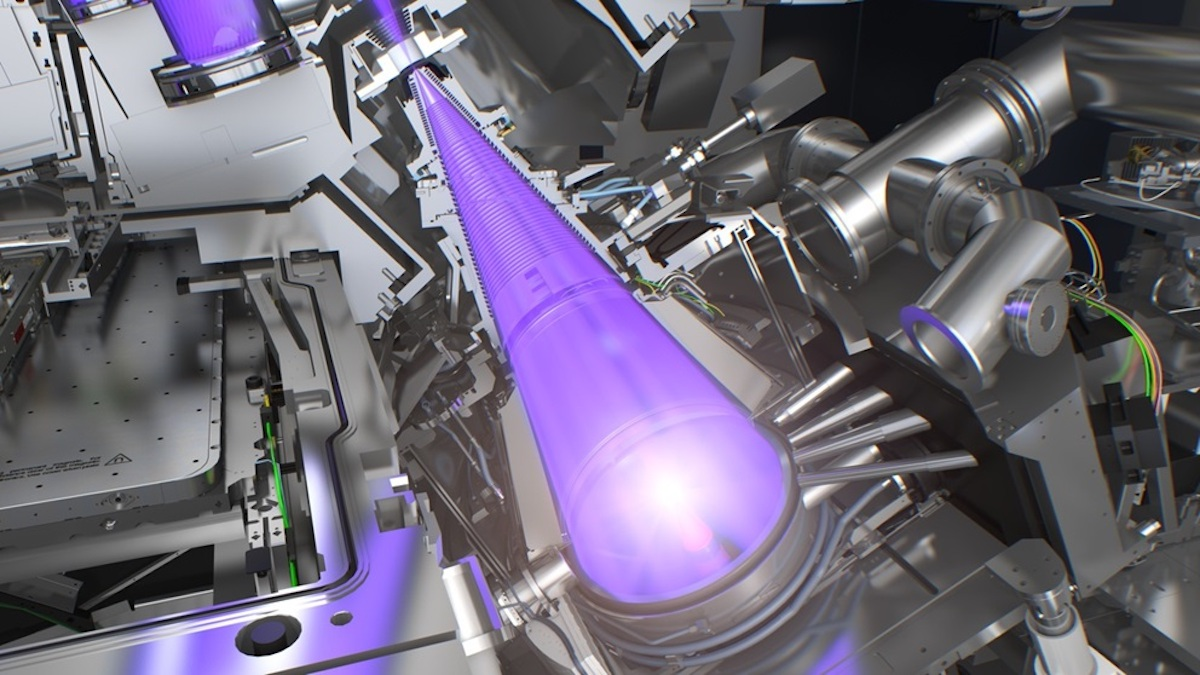
A new bipartisan push in Washington is putting one of the most important pillars of China’s semiconductor expansion directly in the crosshairs. According to the U.S. Senate Foreign Relations Committee, lawmakers have introduced the MATCH Act, a proposal designed to tighten export controls on critical semiconductor manufacturing equipment by aligning U.S. restrictions more closely with allied countries. In practical terms, the bill is aimed at blocking access to “chokepoint” chipmaking tools that adversaries cannot build themselves, and that immediately raises the stakes for ASML’s DUV lithography systems, which remain central to China’s advanced manufacturing efforts below mature nodes.
This is a major story because China is already locked out of EUV lithography imports from ASML, meaning DUV immersion tools have become the most critical foreign equipment still available for pushing local manufacturing forward. Chinese foundries and memory makers have relied on DUV based multi patterning and capacity expansion to keep moving despite previous export controls. If the MATCH Act eventually translates into fully enforced restrictions on the sale or servicing of those tools, the impact would go far beyond one company or one process node. It would hit a structural dependency inside China’s domestic chip ecosystem.
The proposal appears especially relevant for firms such as SMIC, Huawei linked chip operations, YMTC, CXMT, and Hua Hong, all of which have been repeatedly cited in reporting around China’s reliance on legacy but still highly capable lithography equipment. While Chinese equipment makers continue to advance in some areas, current domestic lithography capability is still generally associated with more mature process ranges, not the kind of DUV immersion infrastructure needed to remain competitive in leading edge logic and advanced memory scaling. That is why a deeper clampdown on DUV matters so much. It is not simply another sanctions headline. It targets the most practical route China still has for sustaining advanced semiconductor progress under existing limits.
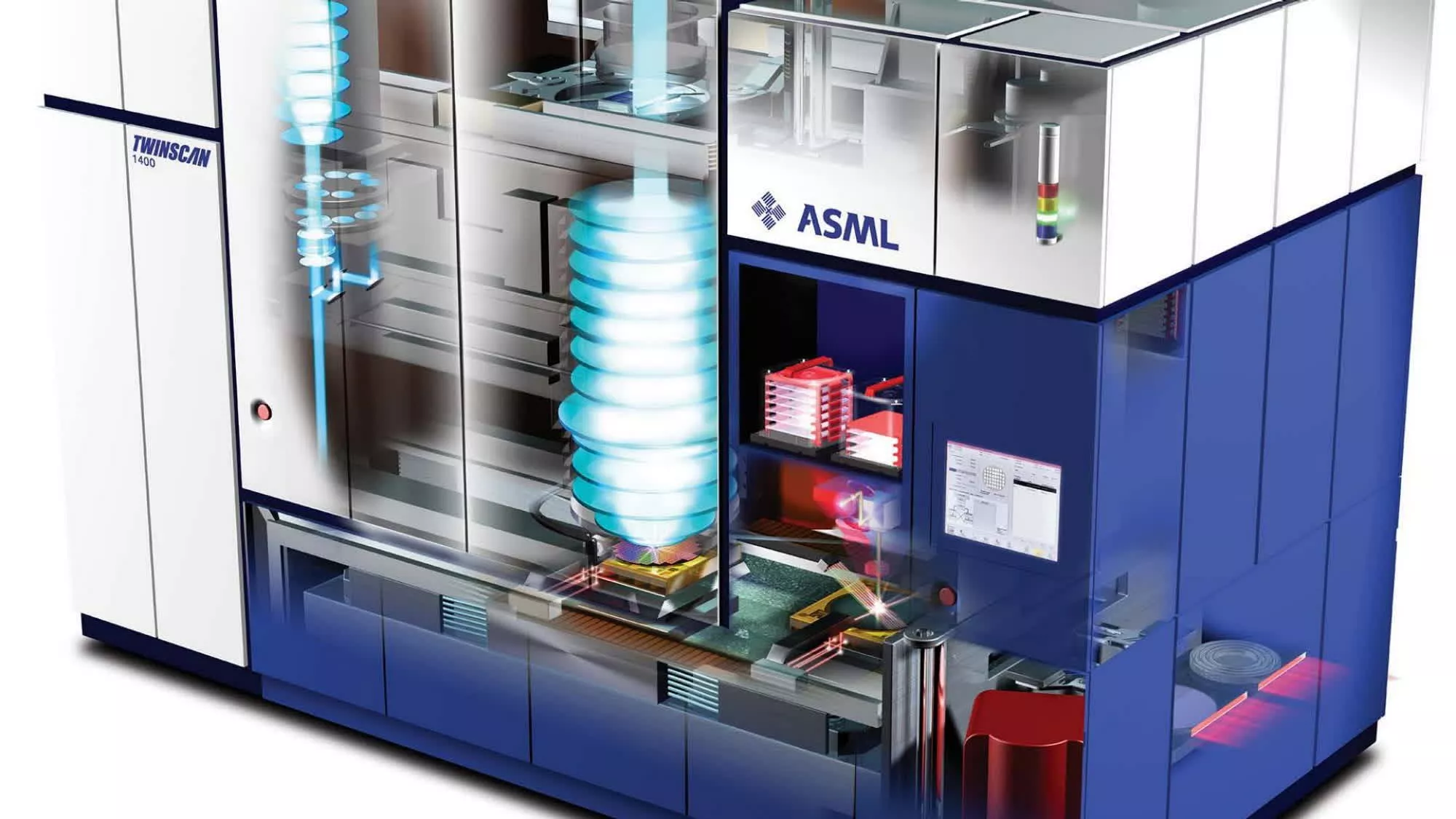
The risk is not only industrial. It is also financial, especially for ASML. Reuters reported that investors reacted negatively after the MATCH Act proposal surfaced, with ASML shares falling as markets weighed the possibility of stricter restrictions on China bound DUV shipments and servicing. China is expected to represent around 20% of ASML’s 2026 revenue, according to Reuters, while other recent reporting notes that China represented an even larger share of the company’s 2025 sales. In other words, this is not a small or symbolic exposure. China remains one of ASML’s largest markets, and most of that current exposure is tied to DUV rather than EUV.
That is what makes this proposed legislation so consequential. Previous rounds of controls were already painful for China’s chip ambitions, but they still left DUV as a viable path for capacity growth, memory expansion, and advanced node workarounds through more complex manufacturing techniques. A successful move to restrict DUV sales and servicing would narrow that path much further. It would also increase pressure on China’s domestic toolmakers to accelerate development in a field where catching up is technically difficult, capital intensive, and time consuming. This is an inference based on the current role of DUV in China’s semiconductor production and the scope of the proposed restrictions.
The geopolitical timing is just as important as the technical side. The MATCH Act is still only a proposal and has not become law, so any immediate claim that ASML exports are already banned would be inaccurate. Even if the bill advances in the United States, enforcement would still depend heavily on coordination with allies such as the Netherlands and Japan, whose equipment makers are also part of the global semiconductor supply chain. Analysts quoted in recent coverage have pointed out that the final commercial impact will depend not only on whether the law passes, but also on how fully partner governments align with it.
Still, the signal coming out of Washington is very clear. U.S. policymakers are no longer focused only on keeping China away from the most advanced EUV systems. They are now openly discussing whether the remaining DUV pathway should be closed more aggressively as well. If that happens, the consequences would be felt across logic, memory, and the wider manufacturing expansion plans of China’s biggest chip groups. The AI race has made semiconductors more politically strategic than ever, and this move shows that lithography access remains one of the hardest pressure points in the entire contest.
Do you think targeting DUV would meaningfully slow China’s semiconductor progress, or will it only accelerate Beijing’s push to build a fully domestic equipment chain?
