
Apple’s Display Free Smart Glasses Could Arrive by Early 2027 With Multiple Premium Frame Designs
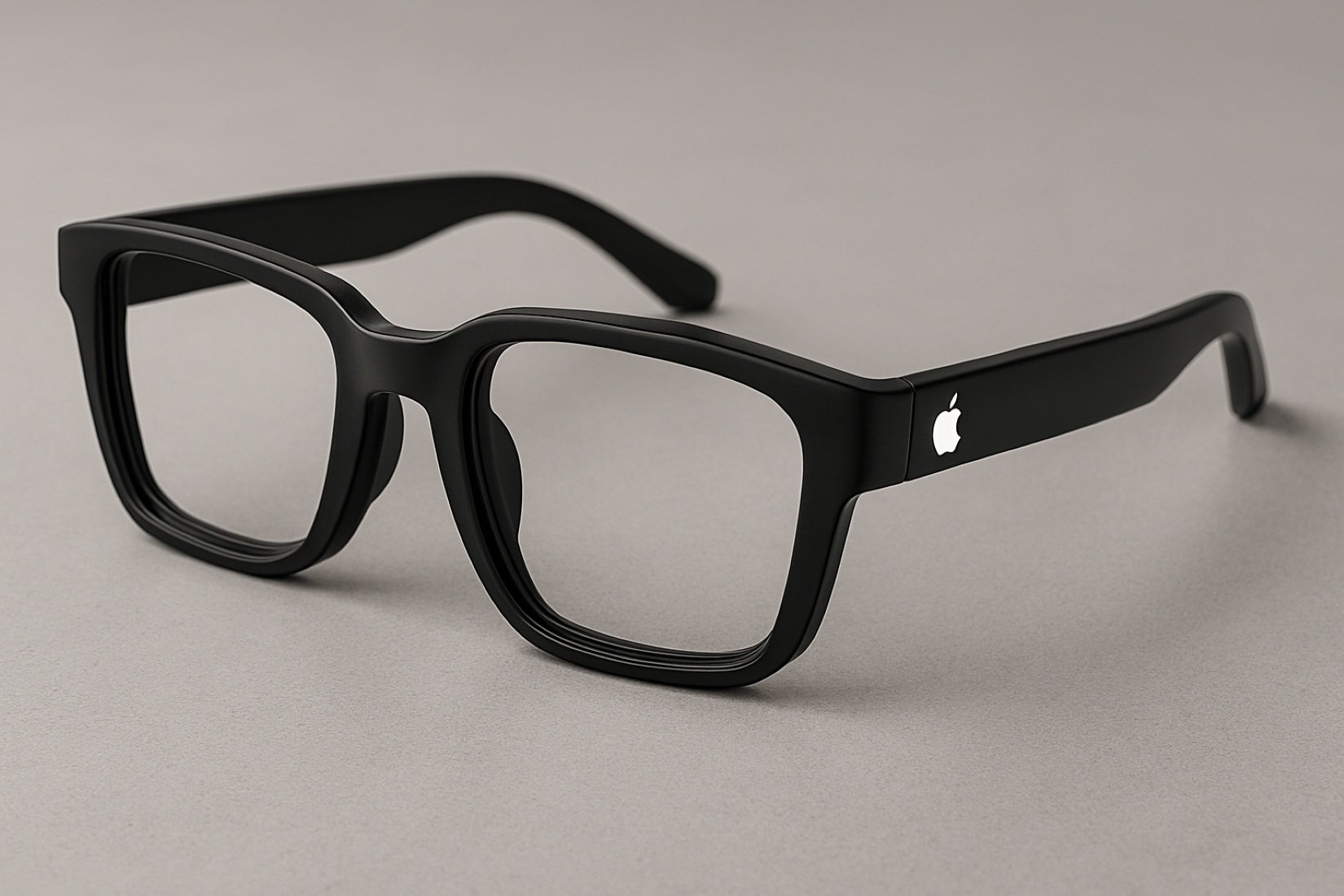
Apple is reportedly getting closer to entering the smart glasses market with its first display free wearable, and if the latest reporting is accurate, the company is aiming to bring the product to market by early 2027. In the newest Power On newsletter, Bloomberg’s Mark Gurman says Apple is developing camera equipped smart glasses with microphones and speakers, positioning them as a more premium and more tightly integrated alternative to Meta’s Ray Ban line. The reported launch window is now described as early 2027, which lines up with earlier reporting that had already placed Apple’s smart glasses around the late 2026 to 2027 period.
What makes this report especially interesting is the design direction Apple is said to be considering. According to Gurman, Apple is working on several frame styles rather than treating the product as a one shape wearable. The reported options include a larger rectangular frame similar to Wayfarer style glasses, a slimmer rectangular version, a larger oval or circular design, and a smaller refined oval or circular option. Bloomberg’s report also says Apple is exploring a unique camera layout and multiple finishes, which would help the company differentiate itself not only through software and ecosystem advantages, but also through fashion and personal style.
On the hardware and feature side, these glasses are not expected to include built in displays. Instead, they are reportedly being designed around cameras, microphones, speakers, and Siri, allowing the wearer to capture photos and video, take calls, hear notifications, listen to music, and interact hands free with Apple’s AI features. The broader strategy appears to be utility first rather than full augmented reality. That is an important distinction, because this product sounds much closer to a smart companion device than to the true AR glasses Apple still seems to view as a longer term goal.
That difference also helps explain Apple’s broader roadmap. Gurman and other follow up coverage have consistently separated Apple’s display free smart glasses from its future augmented reality ambitions. The smart glasses expected around 2027 are meant to compete more directly with Meta’s current category, while true AR glasses with built in displays remain a later step. Separate reporting has indicated that Apple’s more advanced AR glasses are still years away, with OLEDoS based models expected later than the first non display version.
Apple’s real competitive edge, if this product ships as reported, may come less from being first and more from how tightly the glasses work with the iPhone. Bloomberg’s report says Apple is intentionally using deep iPhone integration as a core point of differentiation, which would make sense given the company’s history. Meta and Google may have earlier momentum in smart glasses, but Apple still has enormous strengths in vertical hardware design, custom silicon, retail reach, and ecosystem lock in. If Apple can combine those advantages with a more capable Siri experience, the product could have a much stronger mainstream path than many early smart eyewear attempts. That final point is partly an inference based on Bloomberg’s report and Apple’s established ecosystem strategy.
There is also a bigger AI angle here. Gurman’s report frames the glasses as part of a wider wave of Apple hardware built around contextual awareness and computer vision. Alongside the glasses, Apple is reportedly exploring other camera equipped and AI aware wearable devices, all designed to feed more real world context into Siri and Apple Intelligence. In other words, these glasses may not just be another accessory. They could become one of Apple’s first serious efforts to make its AI system feel ambient and persistent rather than limited to a phone screen.
Of course, execution will decide everything. The smart glasses category has become more credible over the last few years, but it is still not fully proven as a mass market platform. Battery life, comfort, privacy perception, camera quality, voice assistant usefulness, and social acceptability all matter. Apple can likely deliver premium industrial design, but the real question is whether Siri and Apple Intelligence will be strong enough by 2027 to make the glasses feel essential rather than merely stylish. That concern is an inference, but it is hard to ignore given Apple’s recent AI struggles and the central role Siri is expected to play here.
For now, the key takeaway is clear. Apple’s first real answer to Meta’s smart glasses push appears to be taking shape, and the company is reportedly betting on a premium build, multiple styles, and deep iPhone integration rather than a display heavy approach. If that formula lands, Apple could turn a currently niche category into something much bigger.
What do you think, would you want Apple’s first smart glasses to focus on AI and everyday utility first, or should the company wait until true AR is ready?
