
Call of Duty Could Skip Game Pass in 2026, Insider Suggests as Xbox Subscription Strategy Faces New Questions
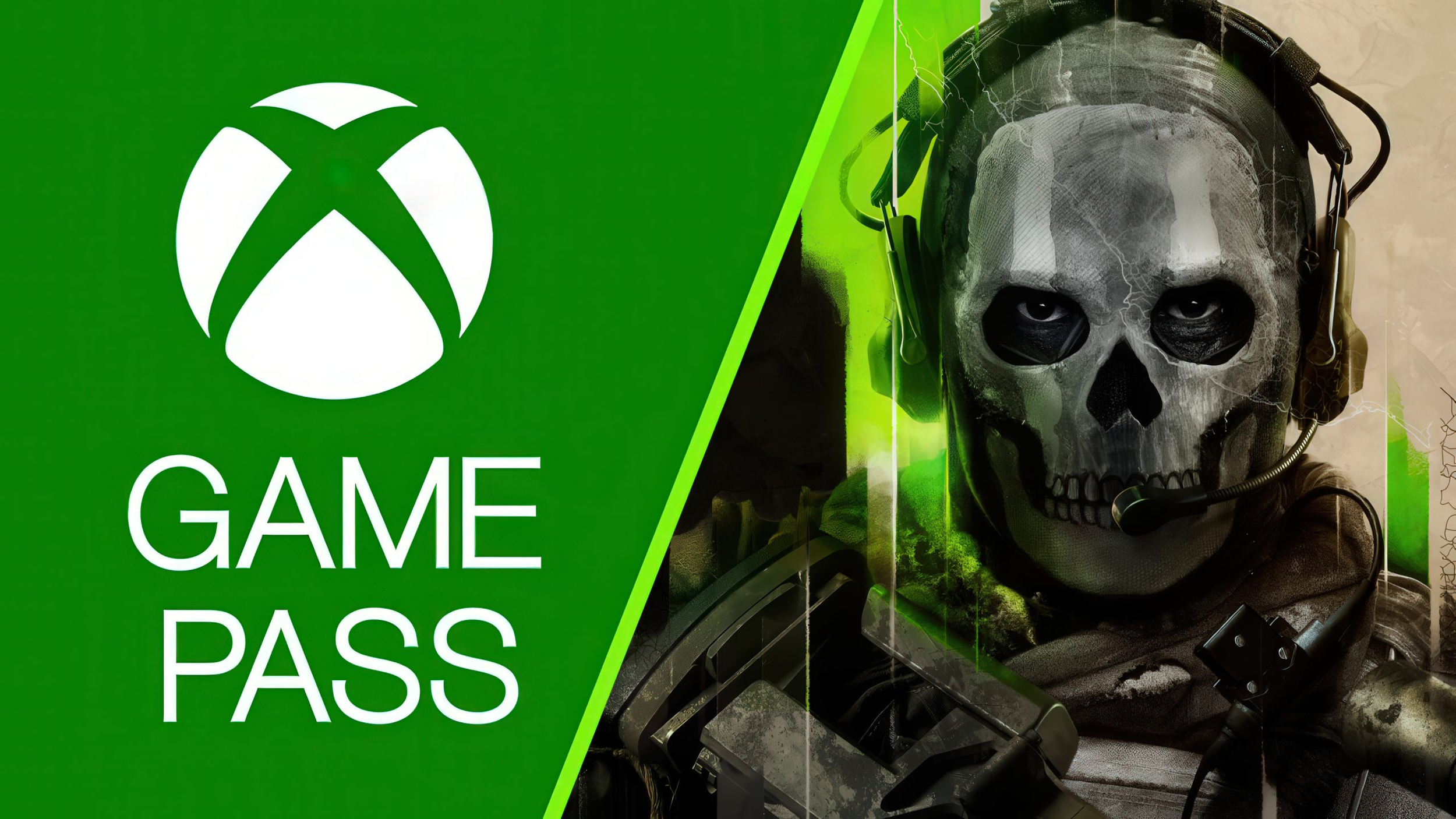
A new rumor is putting one of Xbox’s biggest subscription bets back under the spotlight. According to comments attributed to Windows Central’s Jez Corden during a recent podcast, Microsoft may be considering keeping Call of Duty 2026 off Xbox Game Pass, a move that would mark a major shift after the company used 2024’s Call of Duty: Black Ops 6 as one of the biggest pillars of its post Activision Blizzard subscription strategy. At the time of writing, Microsoft has not officially announced any plan to remove or withhold the 2026 Call of Duty from Game Pass, so this remains firmly in rumor territory.
The rumor has gained traction because it fits into a broader conversation already happening around Game Pass economics. Microsoft officially overhauled the service in October 2025, raising Game Pass Ultimate to 29.99 dollars per month while positioning the premium tier around a wider catalog, upgraded cloud features, and access to new Xbox published releases. That pricing change became one of the most controversial parts of the service’s recent evolution, especially as Xbox pushed harder to justify Ultimate as the premium destination for major first party launches.
At the same time, multiple recent reports indicate Microsoft is actively rethinking the structure of Game Pass rather than treating the current setup as fixed. Windows Central reported in February 2026 that Microsoft was exploring ways to expand the service further, including more bundled third party benefits and possible tier changes, though that report also said major changes were not expected within 2026. Then in March 2026, another Windows Central report said Xbox chief executive Asha Sharma was considering lower priced Game Pass tiers to make the service more accessible after the backlash to last year’s price increases.
That context makes the Call of Duty rumor more than just a single franchise headline. It points to a deeper strategic tension inside Xbox’s subscription model. If a game as massive as Call of Duty drives subscriptions but also disrupts the service’s internal content economics, Microsoft may be forced to choose between using the franchise as a growth engine and protecting its long term monetization. That interpretation is still an inference, but it lines up with the recent reporting around Xbox evaluating pricing changes, new bundles, and more targeted tiers.
There is also another factor now entering the discussion. Backend discoveries reported by Windows Central show that Microsoft may be experimenting with additional Game Pass tier concepts, including codenames such as Triton and Duet. According to that reporting, Triton appears to focus on first party Xbox games only, while Duet may be another companion subscription variant. If those discoveries turn into real products, they would suggest that Microsoft is moving toward a more segmented Game Pass model rather than a one size fits all approach.
That possibility matters because it could offer a cleaner business solution than simply removing Call of Duty from the service. Instead of pulling the franchise away entirely, Microsoft could choose to rebalance which tier gets access to it, how much that tier costs, or what other benefits are bundled alongside it. In other words, the rumor about Call of Duty potentially leaving day one Game Pass access may be less about retreat and more about recalibration. That part is still speculation, but it is grounded in the clear pattern of recent Xbox subscription reporting.
For now, though, the key point is simple. There is no official confirmation that Call of Duty 2026 will be removed from or excluded from Game Pass. What exists is an insider claim, a recent pattern of reports about new pricing and tier experiments, and an increasingly visible debate about whether putting a franchise as large as Call of Duty inside a subscription service creates as many problems as it solves.
What do you think, should Microsoft keep Call of Duty on Game Pass no matter the cost, or would a cheaper first party tier make more sense if the current strategy is starting to crack?
