
TSMC CEO Says Choosing a Chip Foundry Is Not Like Buying Milk From 7 Eleven
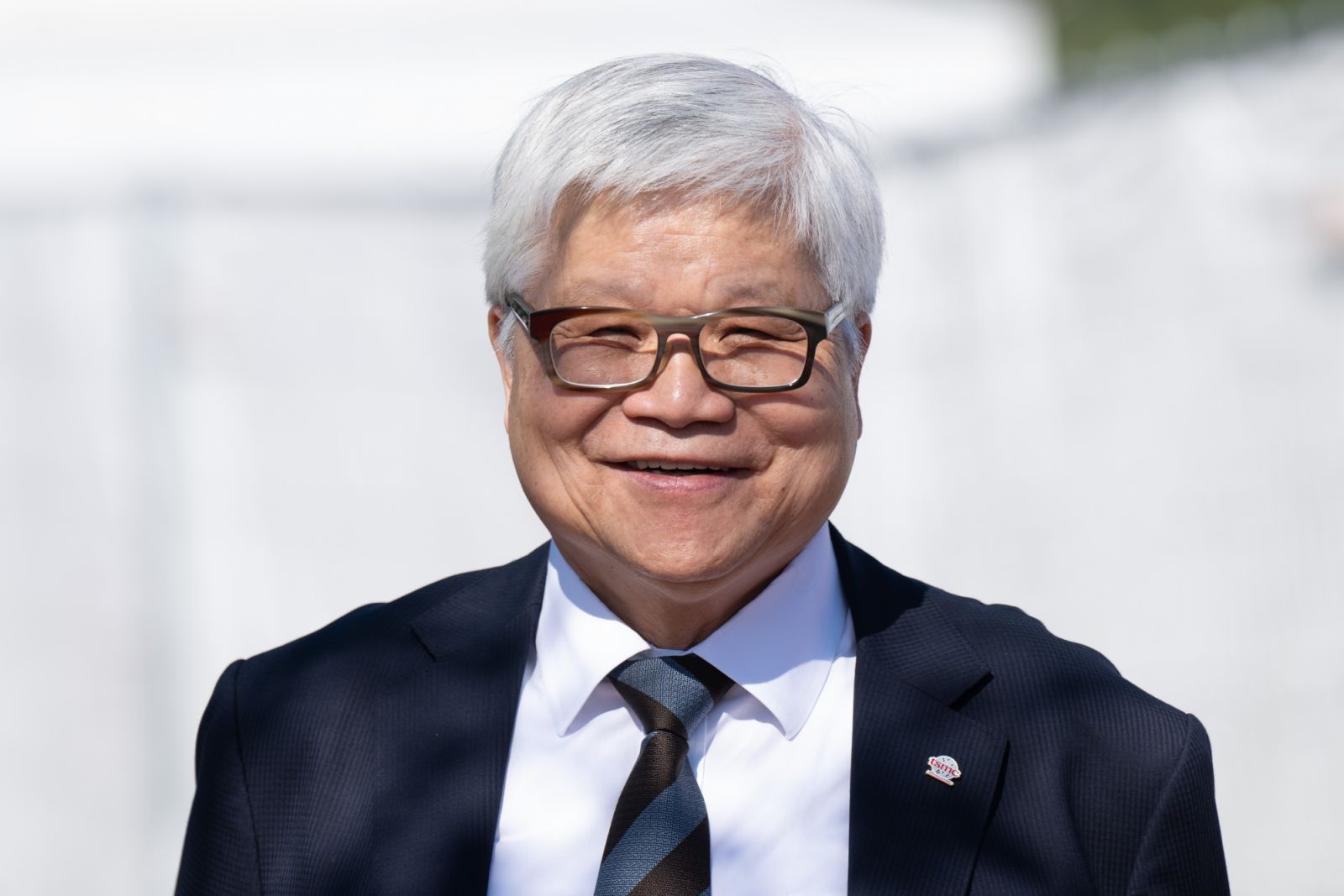
TSMC Chairman and CEO C. C. Wei has dismissed the idea that chip designers can quickly move their most advanced processors between competing foundries, comparing the complex process of selecting a manufacturing partner with buying milk from a convenience store.
Wei made the comparison during the official TSMC second quarter 2026 earnings conference, where Morgan Stanley analyst Charlie Chan asked how the company viewed growing competition from Samsung Foundry and Intel Foundry. Chan noted that Samsung can support its manufacturing ambitions with strong profits from its memory business, while Intel continues to benefit from extensive United States government support.
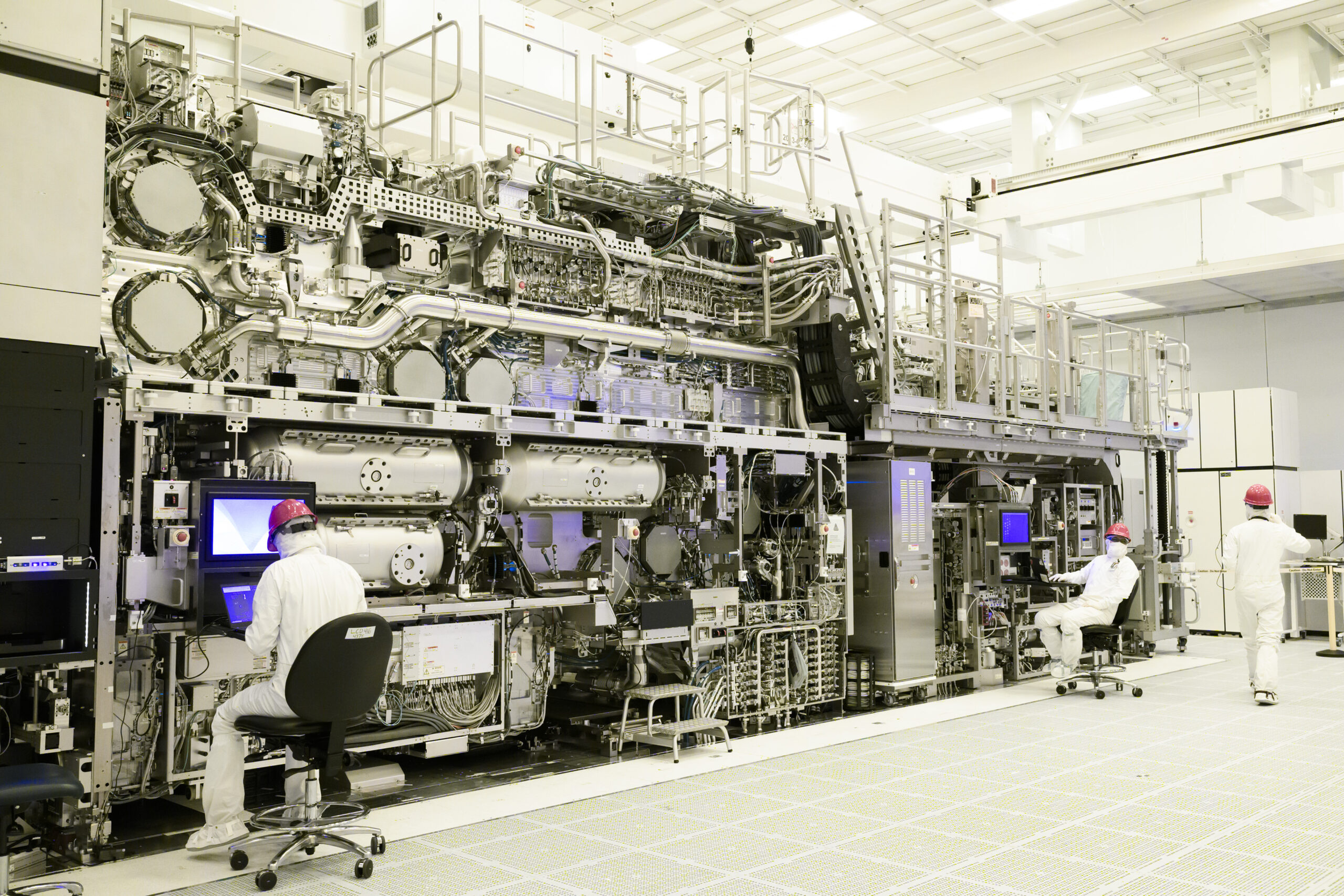
The question followed ASML’s latest financial results, in which the semiconductor equipment manufacturer discussed increasing production capacity for its low NA EUV lithography systems by approximately 30%. ASML said its current capacity was close to being fully covered by orders as semiconductor manufacturers invest heavily in equipment for advanced AI processors and other leading edge products.
Greater EUV availability could help Samsung and Intel expand their advanced process capacity, but Wei argued that securing equipment and constructing fabrication plants are only part of the challenge. Customers must evaluate the technology, produce test chips, qualify their designs, prepare supporting intellectual property, and work with the foundry to achieve reliable high volume production.
"From the competition point of view, choosing a technology and ramping it up is not buying milk from 7 Eleven. You are choosing a technology partner. There is no shortcut. You need to understand the technology, utilize it with test chips, work together, prepare the capacity, and then ramp it up. That is why I say it takes about 5 years.
It is not that today you think this milk is better, you go to the next store. You do not like it, so you go to another store. No."
— C. C. Wei
The comment reflects the level of commitment required when companies such as Apple, NVIDIA, AMD, Qualcomm, and Broadcom select a foundry for major processors. Moving a design between TSMC, Samsung, or Intel can require substantial engineering changes because every manufacturing process uses different design rules, libraries, transistor characteristics, packaging options, and qualification requirements.
Wei said government incentives and large investments are helpful, but maintained that long term foundry success still depends on technology, manufacturing execution, and customer trust. He also confirmed that TSMC receives government support, although the company does not publicly disclose every form of assistance.
"Government help is welcome. A lot of money is nice to have. The most important things are technology, manufacturing, and customer trust. These 3 fundamentals never change."
— C. C. Wei
The message closely follows Wei’s earlier warning that capital alone cannot secure advanced semiconductor leadership. Intel and Samsung can purchase EUV equipment, build new facilities, and offer competitive commercial agreements, but customers will still require proven yields, consistent production volume, design support, and predictable delivery before transferring strategic products.
Wei also joked about the profitability of the memory industry. The original question concerned Samsung’s ability to use profits from DRAM and HBM to support its foundry investments, rather than suggesting that Samsung Foundry itself was producing exceptional earnings.
"Yes, I am really jealous about memory companies and their margins. The higher the better, of course."
— C. C. Wei
His remarks arrive as AI infrastructure demand drives strong profitability across HBM and server memory. Samsung, SK hynix, and Micron are prioritizing higher value memory products as cloud providers reserve capacity for future AI systems, placing memory suppliers in a stronger pricing position.
TSMC is benefiting from the same AI expansion through demand for advanced logic and packaging. During the quarter, 2 nm contributed 3% of wafer revenue, while 3 nm, 5 nm, and 7 nm represented a combined 74%. High performance computing accounted for 66% of quarterly revenue as customers continued ordering processors for AI servers and cloud infrastructure.
C. C. Wei’s milk comparison may sound humorous, but it explains one of TSMC’s strongest competitive advantages. A chip company does not select a foundry only by comparing transistor specifications, available capacity, or government subsidies. It enters a technical partnership that can require approximately 5 years of design work, validation, production preparation, and manufacturing coordination.
This creates considerable resistance to switching suppliers. Intel and Samsung may offer competitive nodes and geographic diversification, but they must prove that their manufacturing processes can deliver stable yields and predictable production at the scale demanded by leading AI and consumer technology companies.
However, TSMC cannot rely on customer loyalty indefinitely. AI demand is consuming enormous amounts of advanced wafer and packaging capacity, encouraging major customers to investigate alternative suppliers. Intel Foundry and Samsung do not need to replace TSMC completely to become stronger competitors. Winning secondary dies, packaging contracts, or selected product families could gradually establish the trust required for larger manufacturing programs.
Can Intel and Samsung convince major chip designers to move strategic products away from TSMC, or is the cost and complexity of switching foundries simply too high?
