
Game of Thrones: War for Westeros Delayed to Early 2027 as PlaySide Raises Its Quality Target
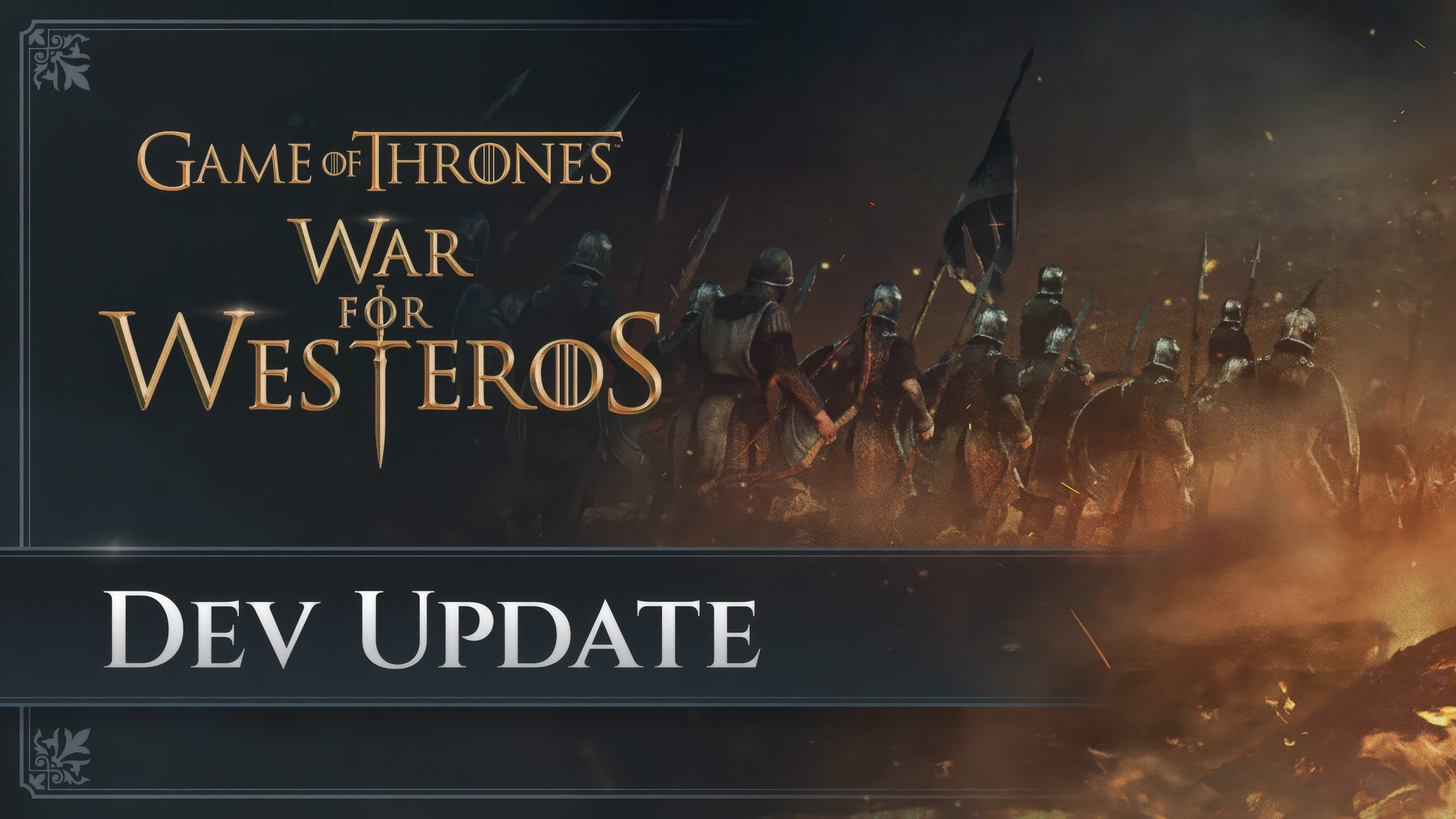
PlaySide Studios has delayed Game of Thrones: War for Westeros from its original 2026 release window to early 2027, giving the developer additional time to refine combat, unit responsiveness, map design, and the wider real time strategy experience.
In its official development update, PlaySide said production is progressing well but acknowledged that the additional development time is necessary to meet the expectations of both experienced strategy players and Game of Thrones fans. The game’s Steam page has also been updated to list a planned 2027 release.
"This decision gives us the time needed to continue building towards that goal and ensure that the game reaches the high level of quality we are aiming for."
— PlaySide Studios
Game of Thrones: War for Westeros will allow players to command 1 of 4 factions: House Stark, House Lannister, House Targaryen, or the Night King’s Army of the Dead. Each faction will include iconic heroes capable of leveling up, unlocking new abilities, and strengthening nearby forces during skirmishes.
Jon Snow is designed as a front line commander who rallies nearby soldiers and supports their advance directly on the battlefield. Tywin Lannister takes a more calculated approach, coordinating his forces from behind the main battle line and maximizing the efficiency of the Lannister war machine.
PlaySide is placing considerable emphasis on physical impact, responsive pathing, and believable unit behavior. Instead of controlling isolated soldiers, players will command complete squads that dynamically react to movement and combat orders. Cavalry charges can break through exposed archer formations, while powerful faction units such as Giants can launch entire enemy squads into the air.
Combat will rely heavily on tactical counters rather than allowing players to overwhelm opponents by concentrating large numbers of basic units. Sending ordinary infantry against heavy cavalry could result in devastating losses, while deploying specialized spearman squads can stop the charge and reverse the momentum of an engagement.
Skirmish maps will span locations across Westeros, including King’s Landing, The Wall, contested castles, and battlefields inspired by the different kingdoms of the continent. Every map is being designed around its own visual identity, terrain structure, army movement routes, and strategic opportunities.
PlaySide highlighted Ashemark as one of the maps currently in development. Located in the Westerlands and connected to Robb Stark’s campaign during the War of the Five Kings, Ashemark is designed as a focused 1 versus 1 battlefield containing 2 open lanes and several defensible positions.
Its structure encourages players to divide their attention between direct pressure, flanking attacks, defensive positioning, and counterattacks. PlaySide also wants the battlefield to remain visually grounded in the harsher Game of Thrones aesthetic while preserving clear and readable spaces for large army movements.
Game of Thrones: War for Westeros will support solo play, online cooperative modes, and competitive multiplayer on PC. PlaySide plans to reveal more information about territory control, factions, and gameplay later in 2026 as development continues toward the new early 2027 launch window.
Delays are rarely welcome, but real time strategy games depend heavily on systems that can be difficult to repair after launch. Poor pathing, unresponsive formations, weak faction balance, or confusing maps can undermine the entire experience regardless of how strong the Game of Thrones license may be.
The emphasis on squad behavior, physical battlefield reactions, faction specific heroes, and meaningful unit counters suggests PlaySide understands that recognizable characters alone will not sustain the game. The real challenge will be balancing cinematic spectacle with the clarity and responsiveness competitive strategy players expect.
Game of Thrones remains an excellent setting for an RTS because its political alliances, territorial conflicts, major houses, and unpredictable betrayals naturally support both solo campaigns and free for all multiplayer. The additional development time could help PlaySide convert that potential into a strategy game worthy of the Iron Throne.
Would you rather wait until early 2027 for a more polished Game of Thrones RTS, or has the extended silence already reduced your interest?
