
The global RAM shortage could become significantly worse in 2027, with TEAMGROUP warning that even customers willing to pay premium prices may struggle to secure memory. The Taiwanese manufacturer expects the most severe supply constraints between Q4 2026 and Q2 2027, with little possibility of meaningful price reductions before 2028 as AI infrastructure continues consuming available semiconductor production capacity.
According to Taiwan's Economic Daily News, TEAMGROUP CEO Gerry Chen delivered the warning during the company's November 2 earnings conference, explaining that the current memory crisis differs considerably from previous market cycles. Demand from AI data centers, enterprise servers, and cloud computing providers has encouraged manufacturers to prioritize high bandwidth memory (HBM), server DDR5, and other profitable products, reducing the capacity available for conventional consumer memory.
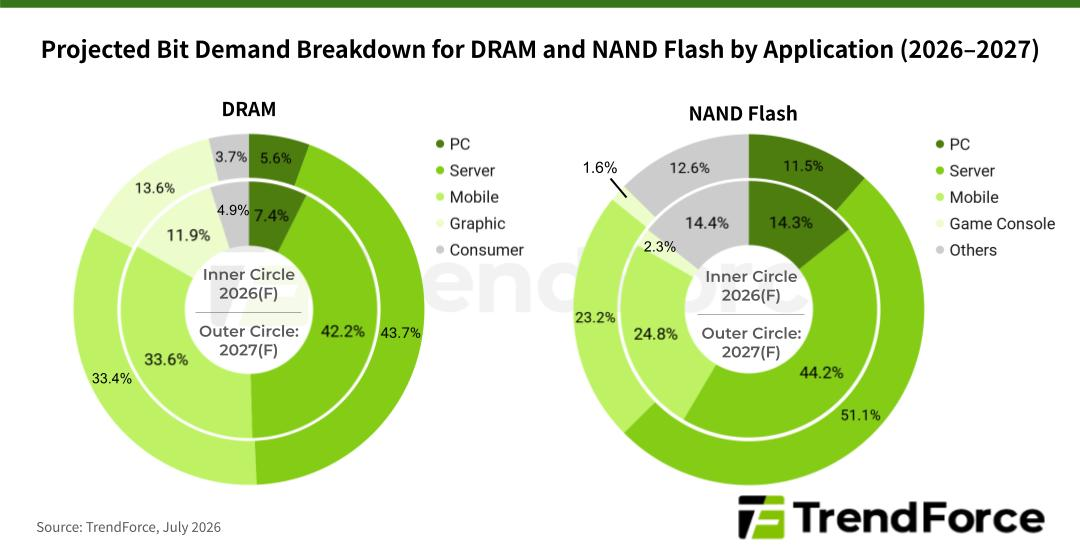
Chen warned that supply conditions could deteriorate to the point where even buyers with sufficient financial resources cannot obtain the memory they need. Some server DRAM spot prices are already trading 30% to 50% above contract prices, while long term supply agreements are no longer guaranteeing sufficient quantities. The executive expects memory contract prices to continue increasing throughout Q4 2026 and Q1 2027, with the market potentially remaining constrained until the second half of 2028.
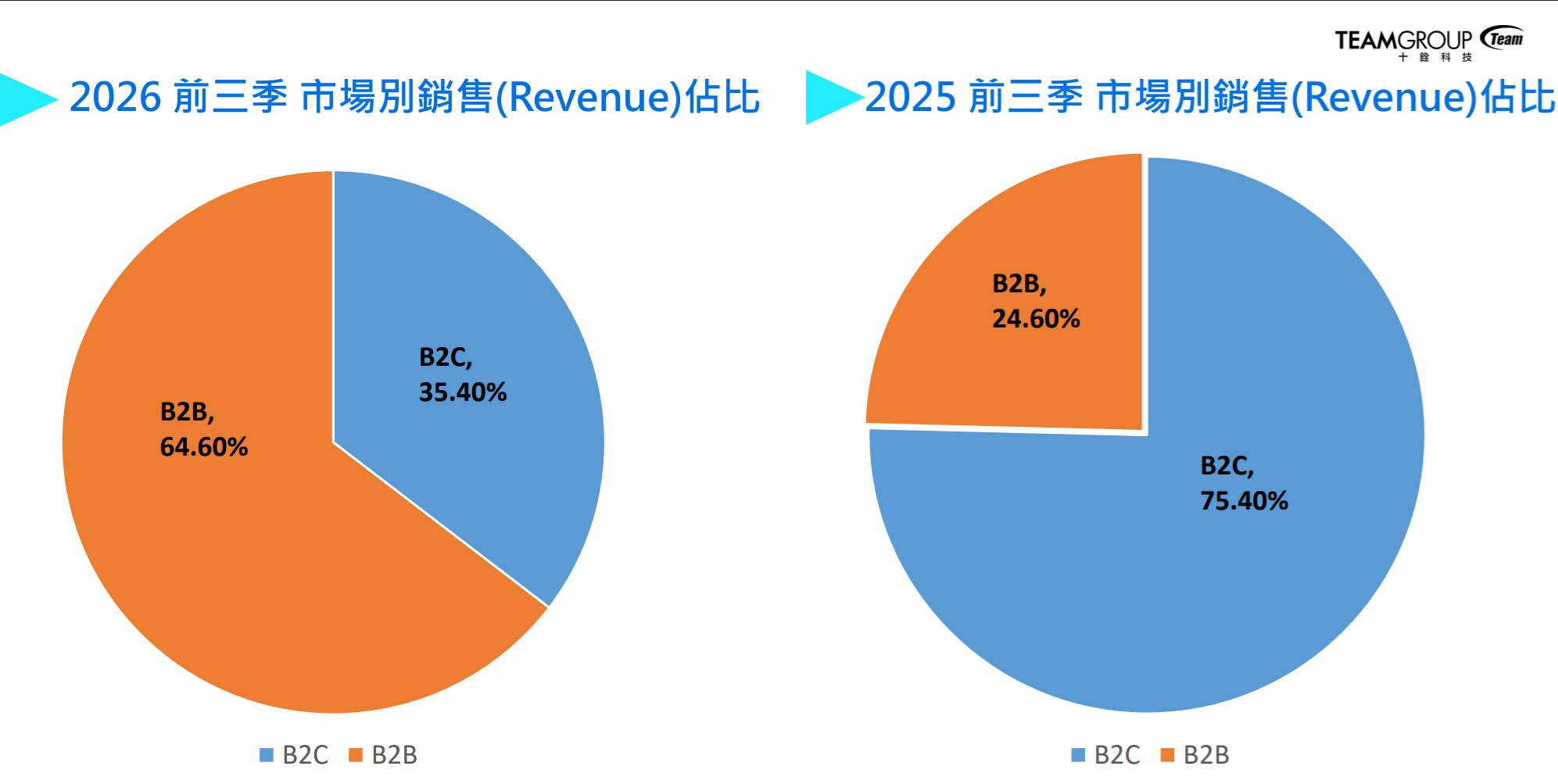
The shortage is already benefiting major memory suppliers and manufacturers. According to TEAMGROUP's official financial presentation, the company reported record Q3 2026 revenue of NT$10.14 billion, with a gross margin of 49.27% and net profit of approximately NT$3.62 billion. Enterprise sales accounted for 64.6% of revenue during the first 9 months of 2026, compared with 24.6% during the same period in 2025, highlighting the growing importance of commercial customers over traditional retail markets.
Memory pricing has also increased dramatically. Industry figures indicate that contract prices for individual 16 Gb DDR5 memory chips rose from approximately 8.70$ in October 2025 to 48$ by September 2026. These figures represent individual memory chips rather than complete consumer RAM modules, but illustrate the significant cost pressure affecting PC manufacturers, gaming hardware, and system builders.
TEAMGROUP is expanding its production operations with a new facility in New Taipei City expected to begin operating in Q2 2027, potentially increasing its overall module manufacturing capacity by approximately 50%. However, additional assembly capacity cannot independently resolve the shortage of DRAM chips supplied by Samsung, SK hynix, and Micron.
The warning reinforces SK hynix's earlier prediction that 2027 could become the memory industry's worst supply year, with demand potentially exceeding manufacturing capacity well beyond the current cycle. For PC gamers, the implications include more expensive DDR5 upgrades, higher laptop prices, and growing pressure on graphics card memory costs as manufacturers compete for limited semiconductor resources.
TEAMGROUP's warning highlights a concerning imbalance in the hardware industry, where enterprise AI demand increasingly determines memory production priorities while consumers face higher prices and reduced availability. Although manufacturers are benefiting from strong margins, the PC gaming market should not be forced to absorb continuously increasing costs because of infrastructure investments made by significantly larger corporations.
More importantly, expanding memory production must benefit consumers rather than exclusively prioritizing the most profitable enterprise customers. With local AI applications also requiring larger memory capacities, restricting affordable access to RAM could slow innovation among independent developers and PC enthusiasts. For users planning upgrades, purchasing only the memory capacity they actually need and avoiding speculative stockpiling remain more practical than reacting to every shortage prediction.
With RAM prices continuing to rise, would you upgrade your PC memory now, or keep your current hardware until the market stabilizes?
