
Microsoft is reportedly ending a major AI computing agreement with Oracle after determining that the older NVIDIA GPUs powering its rented infrastructure no longer meet its performance requirements. The decision raises questions about the long term value of expensive AI accelerators as technology companies continue investing billions in increasingly powerful hardware.
According to Bloomberg, Microsoft has gradually been shutting down computing capacity rented from Oracle after declining to renew its existing contract. The agreement originated in November 2023, when Oracle announced a partnership with Microsoft to provide additional AI inference resources for Bing's conversational search engine through Oracle Cloud Infrastructure (OCI) and Microsoft Azure.
However, Microsoft's computing requirements have evolved, making the older NVIDIA accelerators less suitable for its current workloads. Neither company has disclosed the exact GPU models involved, the financial value of the agreement, or how much computing capacity is being retired. The decision concerns a specific infrastructure rental contract rather than the termination of Microsoft's broader relationship with Oracle.
Oracle has pushed back against suggestions that older AI hardware is becoming commercially obsolete. In a statement reported by Reuters, the company emphasized that demand remains strong for its AI infrastructure, including previous generations of NVIDIA accelerators.
Oracle's Q1 fiscal 2027 financial results support that position. The company reported 97.9% AI infrastructure utilization, while GPU capacity reaching contract renewal was renewed or resold at an average premium of 20% compared with previous agreements. Most of those accelerators were already at least 4 years old, demonstrating that aging hardware can remain commercially valuable even as newer architectures enter the market.
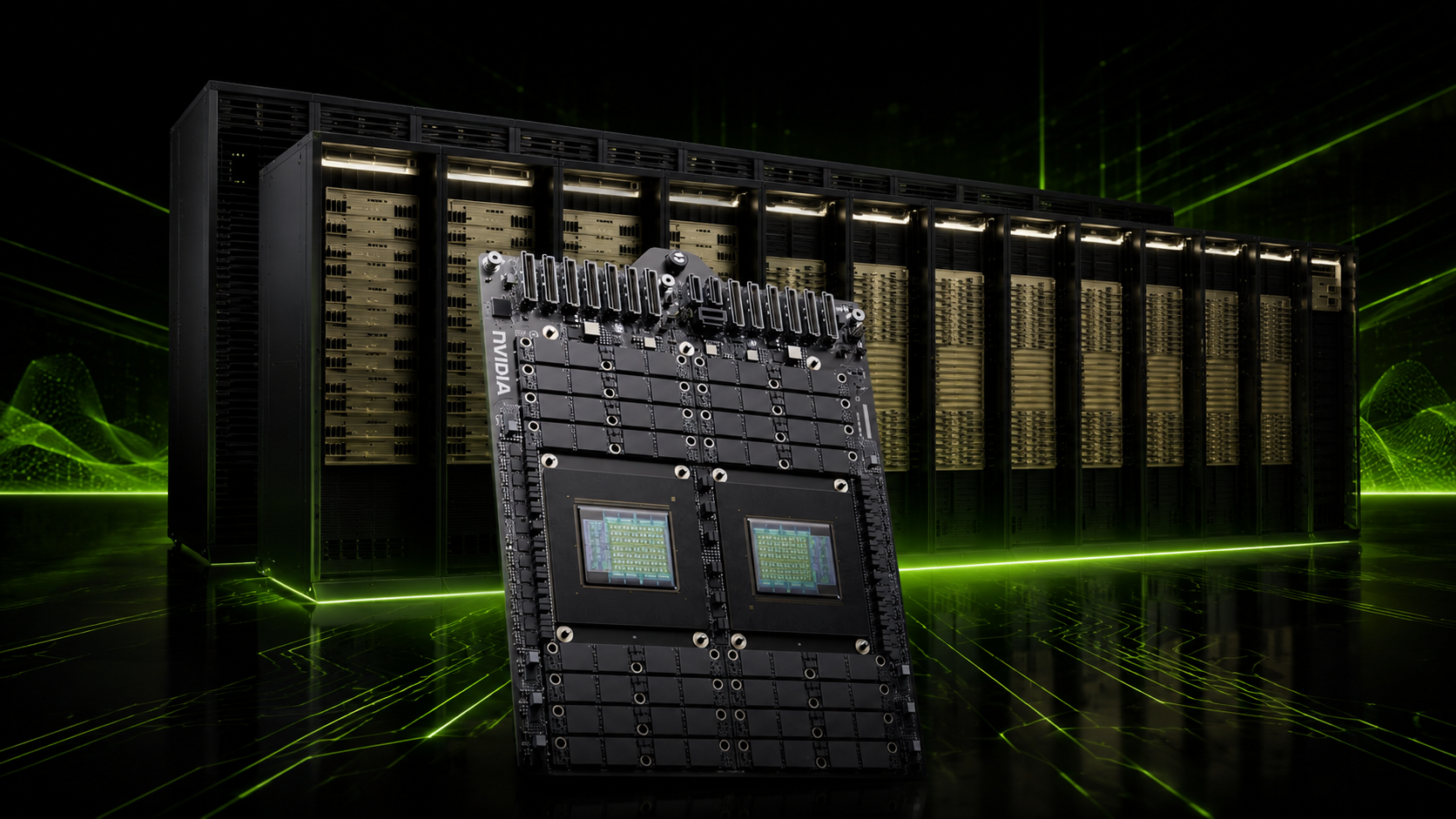
Oracle also reported 7.4 billion$ in quarterly cloud infrastructure revenue, representing a 121% increase compared with the previous year. However, aggressive infrastructure expansion contributed to negative free cash flow of approximately 5 billion$, highlighting the substantial financial commitments required to maintain its position in the AI market.
The situation illustrates a growing challenge for AI infrastructure providers. NVIDIA continues introducing increasingly powerful architectures, while data center operators must recover their investments before existing hardware becomes less competitive for demanding workloads. Yet older accelerators remain suitable for smaller AI models, inference services, research, and other applications that do not require the latest hardware.
This is already evident in CoreWeave's decision to extend NVIDIA A100 computing contracts through 2029, demonstrating that previous generation accelerators can remain profitable for years after newer products become available.
Microsoft's decision also comes amid broader scrutiny of its cloud infrastructure investments, with the company reportedly reviewing external providers, construction schedules, and operational costs. While demand for AI computing remains substantial, the industry increasingly faces the challenge of ensuring that infrastructure investments remain economically sustainable.
Microsoft abandoning older NVIDIA computing capacity raises an important question about the sustainability of the AI infrastructure industry. Companies are investing billions in advanced accelerators while new generations arrive rapidly enough to make existing hardware less competitive for their most demanding workloads.
However, hardware that no longer satisfies Microsoft's requirements should not automatically be considered obsolete. Previous generation GPUs remain valuable for local AI, smaller inference workloads, scientific research, and independent developers who cannot afford the latest enterprise accelerators.
Rather than allowing usable computing hardware to become stranded in expensive data centers, the industry should prioritize extending its useful lifespan through more affordable cloud services, secondary markets, and accessible hardware solutions. With consumer GPUs and RAM already facing significant pricing pressures from AI demand, better utilization of existing accelerators could help reduce unnecessary competition for new semiconductor production capacity.
Should older NVIDIA AI accelerators become more affordable and accessible to consumers and independent developers, or will cloud providers continue charging premium prices even after major customers move to newer hardware?
